
When to Hire After-Surgery Care in Rockford
The ride home from the hospital can feel like the finish line. For a family caring for an older loved one, it is often the beginning of a very different kind of responsibility.
A senior may be medically ready to leave the hospital or rehabilitation facility, but that does not necessarily mean they are ready to manage everyday life independently. Bathing, getting dressed, preparing meals, moving safely through the house, remembering medications and getting to follow-up appointments can suddenly become much harder.
For families in Rockford, Winnebago County, Boone County, DeKalb County and parts of McHenry County, professional after-surgery home care can provide an important layer of support while a loved one regains strength and confidence.
What Is After-Surgery Home Care?
After-surgery home care is personalized assistance provided in a person’s home while they recover from a surgical procedure.
It is important to understand that non-medical home care and skilled home health care are not the same thing. Depending on the person’s condition and doctor’s orders, skilled services such as nursing, wound care or physical therapy may be provided through a qualified home health provider.
Non-medical caregivers can complement that care by helping with everyday activities that may be difficult during recovery.
The National Institute on Aging notes that older adults recovering from surgery may benefit from professional assistance at home, while MedlinePlus identifies bathing, toileting, cooking, errands, shopping, provider visits and exercise as examples of activities for which someone may need help after surgery.
The simple answer: If a senior can no longer safely manage important daily activities after surgery without assistance, it may be time to consider professional home care.
When Should a Senior Have Help After Surgery?
There is no single recovery timeline that applies to every older adult.
The type of surgery, overall health, mobility, medications, living situation and doctor’s instructions all matter. Some seniors may need only a few hours of help each day, while others may need more extensive assistance during the first days or weeks at home.
Here are some of the clearest situations when families should consider after-surgery care.
1. Getting Around the House Has Become Difficult
Mobility can be one of the biggest challenges following surgery.
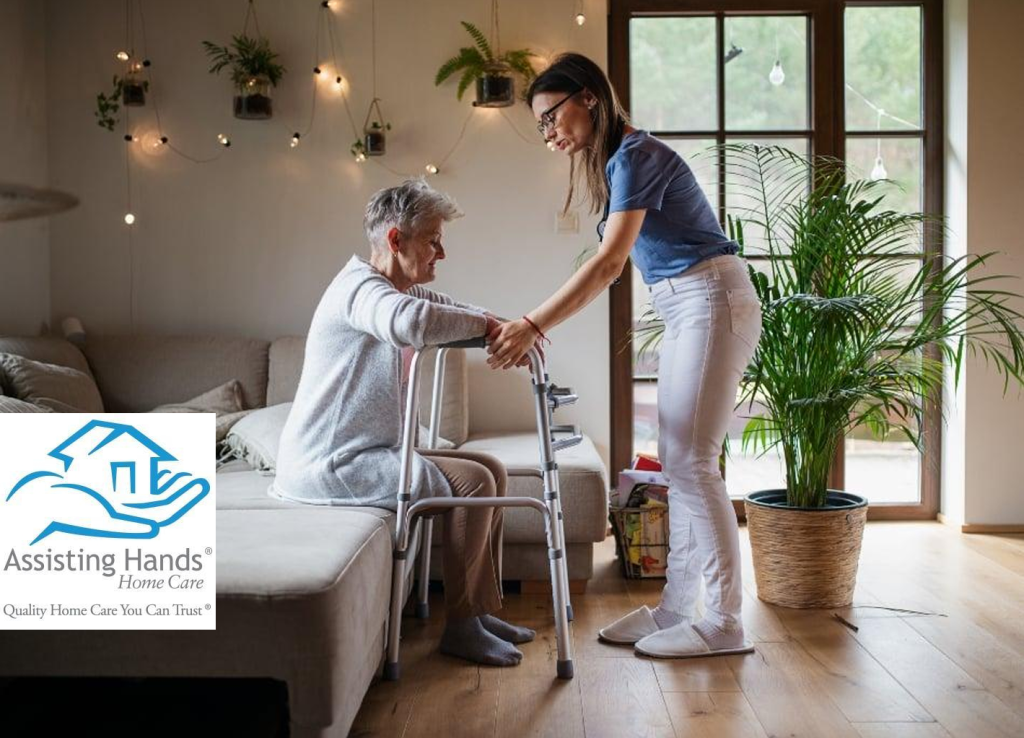
A senior who previously walked independently may temporarily need a walker, assistance getting out of a chair or help navigating stairs.
That can make ordinary activities surprisingly difficult.
A caregiver can provide support with walking and mobility, transfers and positioning, while helping reduce unnecessary fall risks around the home.
The CDC recommends removing trip hazards, improving lighting and installing appropriate grab bars and handrails as part of a safer home environment for older adults.
Why it matters
A fall during recovery can create another serious setback at exactly the time a senior is trying to heal.
2. Bathing and Personal Care Are No Longer Easy
Something as routine as taking a shower can become challenging after surgery.
Pain, weakness, restricted movement or the use of a walker can make getting into or out of a bathtub or shower more difficult.
Families should consider additional support if a senior is struggling with:
- Bathing or showering
- Dressing
- Grooming
- Toileting
- Oral hygiene
- Getting in or out of bed
- Moving between rooms
These are exactly the types of everyday personal-care activities that professional in-home caregivers can assist with.
Assisting Hands Rockford provides individualized non-medical home care designed to help seniors remain safe and comfortable in their homes.
3. Preparing Meals Has Become Too Much Work
Recovery takes energy.
For an older adult recovering from surgery, standing in the kitchen, lifting cookware, grocery shopping or preparing several meals a day may be exhausting—or unsafe.
That is why meal preparation is an important consideration when families create a post-surgery care plan.
A caregiver can help with meal preparation and related household tasks so a senior can focus more of their energy on recovery.
MedlinePlus also recommends preparing easy-to-reheat meals and organizing frequently used supplies within easy reach before returning home after surgery.
4. Family Caregivers Cannot Be There During the Day
This is one of the most common challenges families face.
An adult daughter or son may want to help but still have a full-time job, children, household responsibilities or a significant commute.
That does not mean the senior has to recover alone.
Professional home care can fill the gaps when family members cannot be physically present.
For some families, that may mean several hours of assistance during the day. For others, the need may be temporary or involve overnight support.
The goal is not necessarily to replace family involvement.
The goal is to create a safer support system around the senior while the family continues to be involved.
5. Medication Routines Have Become Confusing
After surgery, a senior may suddenly have several medications to manage.
Pain medications or other prescriptions can add another layer of complexity, and some medications may cause dizziness or drowsiness that can contribute to fall risk.
Families should always follow the physician’s medication instructions.
A non-medical caregiver can provide medication reminders, but caregivers should not be confused with nurses or other licensed medical professionals responsible for medication administration or clinical decisions.
The CDC recommends talking with a healthcare provider or pharmacist about medications that may increase fall risk in older adults.
6. Driving to Follow-Up Appointments Is a Problem
Post-surgery recovery often involves follow-up appointments, therapy, pharmacy trips and other necessary errands.
A senior may not be ready to drive, particularly if mobility is limited or their physician has restricted driving.
Assisting Hands Rockford lists limited transportation, accompaniment to doctor appointments, errands and prescription pickup among its available services.
This can make a practical difference for families who cannot take time away from work every time an appointment comes up.
7. The Senior Is Alone for Long Periods
Sometimes the biggest warning sign is not one particular task.
It is the amount of time the senior spends alone.
If family members are increasingly worried about what happens between visits—whether their loved one will fall, skip meals, struggle with bathing or have difficulty getting around the house—it may be time to discuss additional support.
The National Institute on Aging recommends looking at changes in an older person’s ability to manage meals, bathing, clothing, household safety and medications when determining whether additional help may be appropriate.
What to Know Before Hiring After-Surgery Care in Rockford
Before arranging care, families should have a conversation with the senior’s healthcare team about the expected recovery process.
Ask:
- What activities should be restricted?
- How much walking is appropriate?
- Is a walker or other equipment necessary?
- Are stairs permitted?
- When can the senior shower?
- What assistance will be needed with daily activities?
- When is driving allowed?
- What symptoms require an immediate call to the medical team?
- Is skilled home health care also needed?
- How long might additional assistance be necessary?
MedlinePlus recommends asking the surgeon about what help and equipment may be needed after returning home and what activities can safely resume during recovery.
Professional caregivers should complement the senior’s medical recovery plan—not replace medical advice or treatment.
How Assisting Hands Rockford Can Help After Surgery
For families who want their loved one to recover at home, Assisting Hands Rockford provides personalized non-medical in-home support.
The agency’s post-surgical care services are designed to help individuals transition home following a surgical procedure, hospitalization, rehabilitation stay or other major health event. Services can include assistance with personal hygiene, bathing and dressing, medication reminders, transportation to medical appointments, meal preparation and laundry.
Assisting Hands Rockford also provides services such as:
- Personal care
- Companionship
- Meal preparation
- Medication reminders
- Walking and mobility assistance
- Transferring and positioning
- Safety and fall protection
- Grocery shopping and errands
- Laundry
- Prescription pickup
- Transportation assistance
- Respite for family caregivers
Care plans are individualized, which is particularly important after surgery because every senior’s recovery can look different.
Assisting Hands Rockford says its caregivers are trained, insured and bonded, with background checks and CPR and First Aid training.
After-Surgery Care for Seniors in Rockford and Surrounding Communities
Recovery does not always happen within city limits.
Assisting Hands Rockford serves families throughout a broad portion of north-central Illinois.
Its current service area includes Rockford, Belvidere, Cherry Valley, Loves Park, Machesney Park, Roscoe, South Beloit, Woodstock and other surrounding communities, as well as portions of Boone, Winnebago and McHenry counties. Its Rockford service information also identifies DeKalb County among the communities served.
For families searching online for:
- After-surgery care in Rockford
- Post-surgery home care for seniors
- Senior home care in Rockford
- In-home care after surgery
- Elderly care at home
- Post-hospital home care
- Caregiver after surgery
- Home care in Winnebago County
- Senior care in DeKalb County
- Home care in McHenry County
the important question is not simply “Who provides home care?”
It is “Who can provide the right level of support for my loved one at home?”
What Makes After-Surgery Home Care Different for Seniors?
Older adults can have more complicated recovery needs because surgery is occurring within the context of their overall health, mobility and independence.
A senior who was already experiencing balance problems, weakness or difficulty with daily activities may need considerably more support after an operation.
That is why families should look beyond the surgery itself.
Consider the entire picture:
Mobility + personal care + meals + medications + transportation + household safety + companionship.
Together, these everyday factors can determine whether returning home feels manageable or overwhelming.
Why It Matters: Safety, Independence and Peace of Mind
Home care is not simply about having someone around.
Done well, it can help a senior continue participating in everyday life while receiving assistance with the activities that have temporarily become difficult.
That can mean helping someone safely get ready in the morning, preparing lunch, accompanying them on a walk, helping with laundry or simply providing companionship during the day.
For families, it can provide something equally valuable: peace of mind.
The CDC emphasizes that falls are not an inevitable part of aging and recommends practical strategies such as reducing household hazards, improving lighting and addressing mobility and medication-related risk factors.
Best For: Seniors Who Want to Recover at Home
After-surgery home care may be particularly helpful for an older adult who:
- Wants to remain at home during recovery
- Lives alone
- Has limited family availability
- Needs assistance with bathing or dressing
- Has temporary mobility limitations
- Needs help preparing meals
- Cannot drive during recovery
- Needs help with errands or appointments
- Needs companionship and supervision
- Requires additional support while regaining independence
It can also be helpful for family caregivers who need temporary respite.
When Should You Call for Help?
Families do not necessarily have to wait until a crisis occurs.
In fact, planning before surgery can make the transition home considerably smoother.
If a senior is scheduled for an upcoming procedure, consider discussing home care before the surgery rather than waiting until the day of discharge.
That gives the family time to prepare the home, understand the recovery plan and determine what type of assistance may be appropriate.
MedlinePlus specifically recommends preparing the home and arranging help when needed before returning home after hospitalization or surgery.
The best time to arrange after-surgery support is often before you discover that you need it.
Frequently Asked Questions About After-Surgery Care in Rockford
How long does a senior need after-surgery home care?
It depends on the surgery and the person’s recovery. Some seniors need assistance for several days, while others may benefit from support for weeks or longer. The senior’s physician or healthcare team should guide medical recovery expectations.
What does a post-surgery caregiver do?
A non-medical caregiver can assist with everyday activities such as bathing, dressing, meal preparation, light housekeeping, mobility, errands, companionship and transportation assistance. Assisting Hands Rockford also offers medication reminders and assistance with appointments.
Can home care help prevent falls after surgery?
Caregivers can help support safer mobility and identify everyday hazards, but they do not eliminate fall risk. Families should follow the healthcare provider’s mobility instructions and use appropriate equipment. The CDC recommends addressing trip hazards, lighting, bathroom safety and other fall risks in the home.
Is after-surgery home care the same as home health care?
No. Home health care can include skilled medical services such as nursing, wound care or physical therapy. Non-medical home care focuses primarily on assistance with daily living, personal care, companionship and household activities. The appropriate combination depends on the individual’s needs and medical plan.
Can Assisting Hands Rockford help with bathing after surgery?
Yes. Bathing and personal hygiene assistance are among the post-surgical and personal-care services offered by Assisting Hands Rockford.
Can a caregiver take a senior to a doctor’s appointment?
Assisting Hands Rockford lists limited transportation and accompaniment to doctor appointments among its services.
Does Assisting Hands Rockford serve DeKalb County?
Yes. Assisting Hands Rockford identifies DeKalb County within its service area and has a dedicated DeKalb County home-care service page.
Does Assisting Hands Rockford serve McHenry County?
Yes, the agency serves parts of McHenry County, including communities such as Harvard, Hebron, Johnsburg, Richmond, Ringwood, Spring Grove, Wonder Lake and Woodstock. Families should confirm that their specific ZIP code is within the current service area.
Does Assisting Hands Rockford serve Winnebago County?
Yes. Its service area includes Rockford and communities throughout Winnebago County, including Cherry Valley, Loves Park, Machesney Park, Monroe Center, Roscoe and South Beloit.
A Smoother Road Home Starts With the Right Support
Surgery may be the event that brings a senior home, but recovery happens one ordinary day at a time.
It happens while getting dressed in the morning. Preparing breakfast. Walking safely to the bathroom. Picking up a prescription. Getting to a follow-up appointment. Resting when the body needs it. And having someone nearby when family cannot be there.
For families in Rockford and surrounding communities, including Winnebago, Boone, DeKalb and parts of McHenry County, after-surgery home care can provide practical assistance while helping an older loved one maintain dignity and independence at home.
Assisting Hands Rockford offers personalized in-home care designed around the individual—not a one-size-fits-all schedule. Families can contact the local office to discuss their loved one’s needs and arrange a personalized assessment.
When recovery requires a little more help, bringing that help home can make the journey easier for everyone.
ABOUT ASSISTING HANDS ROCKFORD
Assisting Hands® can provide assistance in the privacy of their own home for you or a loved one. Our caregivers have training and experience in providing in-home care. Contact us today.
- Senior In Home Care
- Elderly Care Services
- Personal Care & Companion Services
- Coordination of Care
- Veterans Services
- Additional Services
156-GD


