
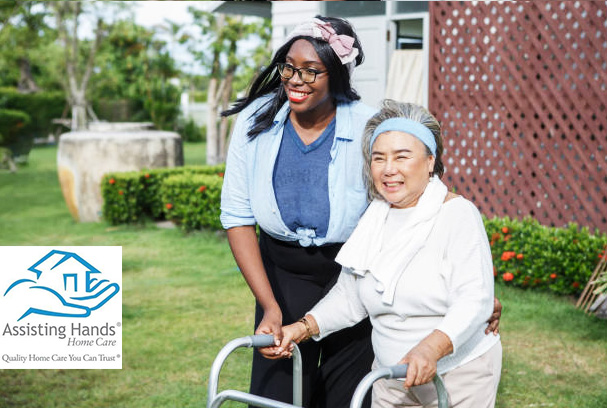
The landscape of healthcare is rapidly transforming, with an increasing emphasis on cultural sensitivity and diversity so this post focuses on embracing cultural diversity in home-based health care. The provision of home-based health care, particularly for seniors and veterans, now more than ever, calls for a profound understanding and acknowledgment of the varied cultural backgrounds of its recipients. This pivot is not just a moral duty but a strategic imperative for any provider striving for exceptional care. Assisting Hands Home Care in Rockford stands at the forefront of this movement, championing the cause of cultural awareness and respect, and here’s why it matters.
Understanding Culturally Sensitive Home Health Care
Before we explore the significance of cultural sensitivity in home-based health care, let’s first establish a clear understanding. Home-based health care is particularly critical for those who need support while residing in the comfort and familiarity of their own homes. This mode of care offers personalized services that include both medical and non-medical assistance tailored to the unique needs of the individual.
Cultural sensitivity is the ability to recognize and appreciate the diverse values, beliefs, and practices of different cultural backgrounds. In the context of home-based health care, this sensitivity is crucial for a number of reasons. It ensures that care is respectful and meaningful, aligning with individual requirements and preferences. It also fosters effective communication, building trust and deepening the patient-caregiver relationship.
Differing cultural backgrounds can lead to differing preferences in diet, belief systems, and rituals, which should be acknowledged and respected. Communicating in a patient’s primary language, integrating cultural traditions into care plans, and engaging families in the care process all serve as strategies for providing sensitive, personalized care.
Despite its importance, being culturally sensitive is not without its challenges. Some of these include:
- Language Barriers: These can be significant, and there may be intra-cultural diversity that requires nuanced approaches. However, health care organizations have strategies in place to manage these challenges successfully.
- Cultural Misunderstandings: A lack of cultural awareness can lead to misunderstandings and misinterpretations of a patient’s behaviors and preferences.
- Ethical Quandaries: Balancing cultural traditions with ethical healthcare practices can sometimes give rise to moral dilemmas for healthcare providers.
- Intra-Cultural Diversity: It is essential to recognize that cultures are not homogeneous entities. Individuals within the same cultural group may possess different beliefs and values.
Strategies for Culturally Sensitive Home Health Care
Some of the key strategies in delivering culturally sensitive home-based health care include:
- Providing Language Assistance
- Conducting thorough Cultural Evaluations
- Respecting and Incorporating Cultural Traditions into Care Plans
- Engaging Clients and their Families in Care Planning
- Ensuring that Ethical Dilemmas are Navigated with Respect and Sensibility
These strategies reflect an organizational commitment not just to diversity, but to providing care that is truly person-centered.
In summary, embracing cultural diversity and sensitivity in home-based health care is not only an imperative but also a measure of excellence. By recognizing and respecting the individuality of each patient, caregivers can create an environment of trust and comfort, leading to better health outcomes and an improved quality of life. Assisting Hands Home Care in Rockford exemplifies this ethos, illustrating the transformative power of culturally aware health care delivery. As we step into a world that is a tapestry of cultures, home-based care providers have a unique opportunity to exhibit the highest standards of humanity and professionalism.
ABOUT ASSISTING HANDS ROCKFORD
Assisting Hands® can provide assistance in the privacy of their own home for you or a loved one. Our caregivers have training and experience in providing in-home care. We assist with the day-to-day activities and care, so your loved one can live independently. Contact us today.
- Senior In Home Care
- Elderly Care Services
- Personal Care & Companion Services
- Coordination of Care
- Veterans Services
- Additional Services
39-GDM


