
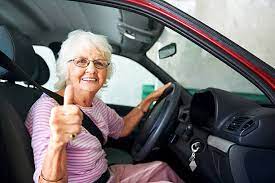
Navigating the Road Ahead: Older Drivers and Autonomous Vehicle Technology
As we move into the future, the automotive industry is undergoing a significant transformation with the emergence of autonomous vehicles. This technology promises to revolutionize the way we commute, making our roads safer, more efficient, and convenient for all. While there is a general buzz surrounding autonomous vehicles, one demographic that stands to benefit immensely from this innovation is older drivers. In this article, we’ll explore the unique challenges older drivers face and how autonomous vehicle technology can provide a solution.
The Aging Population: A Growing Concern
The global population is aging, with a significant percentage of the population now falling into the category of older adults. As individuals age, they often face physical and cognitive changes that can affect their ability to drive safely. Vision problems, slower reaction times, and reduced mobility can make driving more challenging for older individuals. According to the Centers for Disease Control and Prevention (CDC), around 20 older adults are killed, and 700 are injured in traffic accidents every day in the United States alone.
The Promise of Autonomous Vehicles
Autonomous vehicles, often referred to as self-driving cars, hold tremendous promise for older drivers. These vehicles use a combination of sensors, cameras, radar, and advanced artificial intelligence algorithms to navigate the road without human intervention. The key benefits of autonomous vehicles for older drivers are:
- Enhanced Safety: Autonomous vehicles have the potential to significantly reduce accidents caused by human error. Older drivers, who may experience impaired vision or slower reaction times, can benefit from technology that is always vigilant and doesn’t get distracted.
- Increased Mobility: For older individuals who may have limited mobility, autonomous vehicles offer newfound independence. These vehicles can provide transportation even for those who cannot operate a traditional car safely.
- Convenience: Autonomous vehicles can be summoned with a smartphone app, making transportation more convenient for older individuals who may have difficulty getting to a vehicle or navigating public transportation.
- Reduced Stress: Driving can be stressful, especially for older drivers who may feel anxious about their ability to navigate the road safely. Autonomous vehicles can alleviate this stress by taking on the driving tasks.
Challenges and Considerations
While autonomous vehicles offer tremendous benefits for older drivers, several challenges and considerations must be addressed:
- Affordability: Autonomous vehicles are still relatively expensive, which may limit their accessibility to older individuals on fixed incomes. Reducing the cost of this technology is crucial to ensure its widespread adoption.
- Education and Training: Older drivers need to be educated about the capabilities and limitations of autonomous vehicles. Ensuring that they understand how to use the technology safely is essential.
- Ethical and Legal Issues: Autonomous vehicles raise ethical and legal questions, particularly regarding liability in case of accidents. These issues must be resolved to ensure a smooth transition to self-driving technology.
- Infrastructure: Our current road infrastructure may not be entirely compatible with autonomous vehicles. Investments in infrastructure updates and improvements may be necessary.
As autonomous vehicle technology continues to advance, older drivers stand to benefit immensely from this innovation. The safety, convenience, and increased mobility offered by self-driving cars can improve the quality of life for older individuals while addressing the growing concerns associated with an aging population on the road.
To fully harness the potential of autonomous vehicles for older drivers, it is essential for governments, automakers, and technology companies to collaborate on developing affordable, accessible, and user-friendly self-driving solutions. By addressing the challenges and considerations, we can ensure that older drivers can navigate the road ahead with confidence and independence, ultimately contributing to a safer and more inclusive transportation system for all.

