
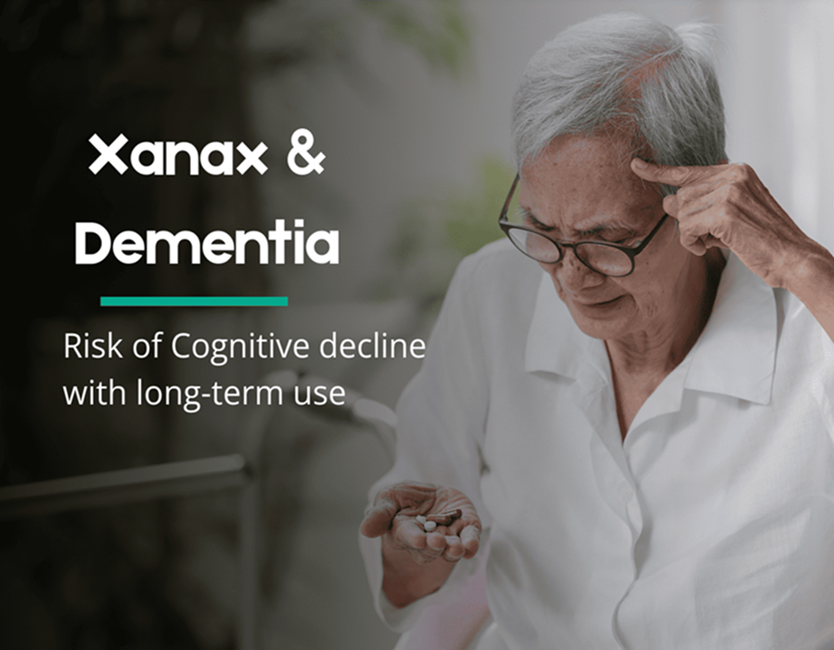
Xanax (alprazolam) is one of the most commonly prescribed medications for anxiety and sleep issues in the United States. While it can be effective in the short term, many people worry about its impact on memory — and whether long-term use could increase the risk of dementia.
These concerns are understandable. Memory changes can be scary, especially when they overlap with symptoms people associate with dementia. Let’s break down what we actually know, what the science says, and what this means for people who take Xanax.
How Common Is Xanax Use in the U.S.?
In the past year, nearly 13% of people in the U.S. reported using benzodiazepines, a class of medications that includes Xanax.
- About 80% used them to treat anxiety
- Around 20% used them for insomnia
Xanax and other benzodiazepines are typically prescribed for short-term use, but their effects on the brain can influence memory — especially while the medication is active.
What Happens in the Brain When You Take Xanax
Benzodiazepines work by enhancing the effects of GABA, a calming chemical in the brain. While this helps reduce anxiety, it can also interfere with how memories are formed.
Many people experience difficulty creating new memories while Xanax is in their system. This can feel like “blank spots” — forgetting conversations, events, or activities that happened after taking a dose. It’s similar to how dreams often fade quickly after waking up.
Xanax and other benzodiazepines can temporarily affect:
- Memory formation
- Attention and focus
- Mental processing speed
- Physical coordination
These effects are usually short-lived and improve as the medication leaves the body.
Does Xanax Increase the Risk of Dementia?
At this time, there is no solid evidence that Xanax directly causes dementia.
Researchers are still studying the relationship between long-term benzodiazepine use and memory problems. Some studies suggest a link between prolonged use and ongoing memory difficulties, while others show that any long-term effects are small and often unnoticed in daily life.
It’s also important to remember that association does not mean causation.
For example:
- Anxiety is common in people with early Alzheimer’s disease or dementia
- These individuals are more likely to be prescribed benzodiazepines
- In this case, the underlying brain condition — not the medication — is responsible for memory loss
This overlap can make it appear as though benzodiazepines cause dementia, even when they may not.
Xanax Use in Older Adults: What to Know
Older adults are more sensitive to benzodiazepines. Their bodies process medications more slowly, which means the effects — including memory changes — can last longer and feel more pronounced.
That said, benzodiazepine-related memory changes are not the same as dementia.
Dementia develops due to progressive brain damage over years, often from conditions like strokes, blood vessel disease, or head injuries. It leads to permanent problems with:
- Forming new memories
- Personality and behavior changes
- Performing daily activities independently
Benzodiazepines, on the other hand, temporarily change brain chemistry and receptor activity — effects that usually improve once the medication is reduced or stopped.
Does Xanax Cause Short-Term Memory Loss?
Yes — Xanax can cause short-term memory loss while it’s active in your body.
People may forget events or conversations that occur after taking a dose. This effect fades as the drug is metabolized.
To put timing into perspective:
- It takes 6 to 20 hours for the body to remove half of a Xanax dose
- Complete elimination can take several days
Some benzodiazepines last even longer. For example, diazepam (Valium) can take 20 to 100 hours just to reach its half-life.
Is Memory Loss from Xanax Reversible?
In most cases, yes. Current research suggests that memory problems caused by Xanax are largely reversible, especially in younger adults. People over 65 may have a slightly higher risk of mild, ongoing memory difficulties, but these effects are usually subtle. Many people aren’t aware that Xanax can temporarily interfere with memory formation. This can lead to unnecessary fear about dementia. The reassuring news is that once the medication is stopped and cleared from the body, memory typically returns to normal within days.
Important Safety Considerations
If you’re considering Xanax for anxiety, many experts recommend exploring other treatment options first, including non-benzodiazepine medications and therapy.
If you’re already taking Xanax:
- Do not stop suddenly
- Long-term use can lead to withdrawal symptoms
- Tapering the dose slowly under medical supervision reduces risk
Always discuss medication changes with a healthcare professional who knows your medical history.
How Assisting Hands® In-Home Care Supports People Living With Dementia
While medications like Xanax may cause temporary memory changes, dementia is a progressive condition that requires consistent, personalized care. For individuals living with dementia — and for the families who support them — having reliable help at home can make a meaningful difference.
Assisting Hands® In-Home Care provides trained caregivers who serve as helping hands, offering daily assistance while respecting each person’s independence, dignity, and routines.
Meaningful Companionship and Emotional Support
Dementia affects emotional well-being as much as cognitive function. Assisting Hands caregivers provide companionship through conversation, shared activities, and attentive presence — helping reduce loneliness and isolation.
Human connection plays an essential role in maintaining quality of life, even as communication becomes more difficult.
Frequently Asked Questions (FAQs)
Can Xanax cause permanent memory loss?
Permanent memory loss is uncommon. Most memory problems linked to Xanax are temporary and improve after stopping the medication.
How long does Xanax affect memory?
Memory effects usually last while the drug is active in your system — from several hours to a few days, depending on dose, age, and metabolism.
Is Xanax safe for older adults?
Xanax can be prescribed to older adults, but with caution. Lower doses and close monitoring are recommended due to increased sensitivity and fall risk.
Are other benzodiazepines safer than Xanax?
Some benzodiazepines last longer in the body and may have similar or greater cognitive effects. Safety depends on the specific drug, dose, and duration of use.
What are alternatives to Xanax for anxiety?
Options include SSRIs, SNRIs, therapy (especially CBT), lifestyle changes, and non-benzodiazepine medications — depending on individual needs.

