
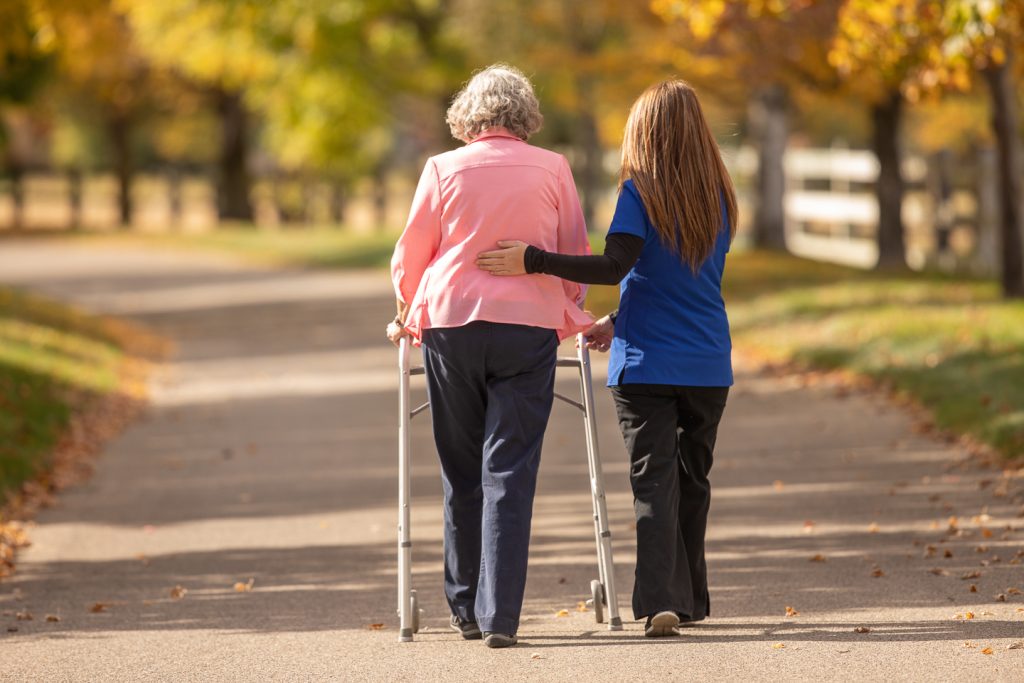
Walking Your Way to Vitality: Finding the Perfect Pace for Your Golden Years
Professional home health care in Franklin, Brentwood, and Williamson County helps seniors find the perfect walking pace while maintaining active, independent lifestyles through safe walking programs
The fountain of youth isn’t hidden in some distant land—it’s right outside your front door. For seniors throughout Middle Tennessee, the simple act of walking holds extraordinary power to transform health, mood, and independence. But here’s what many families don’t realize: the key to successful walking programs after 65 isn’t just lacing up your shoes—it’s having the right support system to ensure safety, consistency, and proper pacing.
Professional home health care providers in Franklin and Brentwood are revolutionizing how seniors approach fitness, helping them find the perfect walking pace while aging in place safely and confidently.
Why Walking is the Ultimate Senior Exercise
Unlike high-impact activities that can strain aging joints, walking provides the perfect balance of cardiovascular benefits, muscle strengthening, and mental health support. Research shows that seniors who walk regularly experience:
- 40% lower risk of heart disease
- Improved balance and reduced fall risk
- Better sleep quality and mood regulation
- Enhanced cognitive function and memory
- Stronger bones and muscles
- Greater independence in daily activities
But here’s the challenge: many seniors in Williamson County want to walk more but face barriers like safety concerns, motivation issues, or uncertainty about appropriate intensity levels.
Find The Perfect Walking Pace: It’s Personal
One of the biggest misconceptions about senior fitness is that there’s a one-size-fits-all approach. Home health aides working with seniors throughout Middle Tennessee understand that the “perfect pace” varies dramatically based on:
- Current fitness level and health conditions
- Medication effects and timing
- Weather considerations and seasonal changes
- Individual goals and preferences
- Safety concerns and environmental factors
A trained caregiver can assess these factors and help establish a walking routine that’s both safe and effective.
How Professional Home Care Makes Walking Safer and More Effective
1. Personalized Assessment and Planning
Home health care professionals conduct thorough assessments before beginning any walking program. They consider medical history, current medications, balance issues, and personal preferences to create customized plans. This isn’t something family members can typically provide—it requires professional training and experience.
2. Consistent Motivation and Accountability
One of the biggest challenges seniors face is maintaining motivation. Professional caregivers in Franklin and Brentwood provide the encouragement and accountability that makes the difference between good intentions and lasting habits. They celebrate small victories and adjust goals as needed.
3. Safety Monitoring and Fall Prevention
Home health aides are trained to recognize signs of fatigue, monitor vital signs during activity, and identify potential hazards in walking routes. They ensure seniors stay hydrated, wear appropriate footwear, and understand their limits.
4. Weather and Seasonal Adaptations
Middle Tennessee weather can be unpredictable. Professional in-home care providers help seniors maintain walking routines year-round by:
- Planning indoor alternatives during extreme weather
- Adjusting timing for temperature and humidity
- Ensuring proper clothing and equipment
- Modifying routes based on seasonal conditions
Creating Your Perfect Plan to Find The Perfect Walking Pace
Start Where You Are
The beauty of walking is that everyone can begin at their current level. Senior caregivers understand that some clients might start with just five minutes around the house, while others can handle 30-minute neighborhood walks. The key is consistency, not intensity.
Build Gradually
Professional caregivers follow the 10% rule—increasing walking time or distance by no more than 10% each week. This prevents injury and builds sustainable habits. They track progress and adjust plans based on how seniors feel and respond.
Find Your Rhythm
Some seniors prefer morning walks to energize their day, while others enjoy evening strolls to unwind. Home health care providers work with individual preferences and schedules to create routines that feel natural and enjoyable.
Make it Social
Walking with a trusted caregiver provides social interaction that many seniors crave. These conversations during walks often become highlights of the day, combining physical activity with meaningful connection.
Overcoming Common Walking Barriers
“I’m Too Old to Start”
Home health aides in Williamson County work with seniors in their 80s and 90s who are just beginning regular walking programs. Age is not a barrier—it’s simply a factor to consider when planning appropriate activities.
“I’m Afraid of Falling”
Professional caregivers use proven fall prevention strategies, including proper warm-up routines, appropriate walking aids when needed, and careful route selection. They’re trained to spot potential hazards and build confidence gradually.
“I Don’t Have the Energy”
Ironically, regular walking actually increases energy levels. Home care professionals start with very manageable goals and help seniors experience the energizing effects of regular movement.
“The Weather is Always Wrong”
Middle Tennessee’s variable weather doesn’t have to derail walking routines. Professional in-home care providers develop backup plans, including mall walking, indoor exercises, and flexible scheduling around weather patterns.
The Compound Benefits of Supported Walking Programs
When seniors work with professional home health care providers to establish walking routines, the benefits extend far beyond physical fitness:
Independence: Regular walking maintains the strength and balance needed for aging in place
Confidence: Supervised walking builds self-assurance for other activities
Social Connection: Time with caregivers during walks combats isolation
Mental Health: Exercise and fresh air naturally improve mood and reduce anxiety
Sleep Quality: Regular daytime activity promotes better nighttime rest
Medication Management: Walking can help manage chronic conditions, potentially reducing medication needs
Signs Your Loved One Could Benefit from Walking Support
Consider professional home care assistance if your senior family member:
- Expresses interest in being more active but seems hesitant to start
- Has experienced falls or near-falls that have reduced confidence
- Lives alone and lacks walking companionship
- Has chronic conditions that could benefit from regular exercise
- Wants to maintain independence but needs safety support
- Shows signs of depression or social isolation
Taking the First Step to Find The Perfect Walking Pace
Starting a walking program doesn’t require expensive equipment or gym memberships. It simply requires the right support system. Professional caregivers in Middle Tennessee understand that every senior’s journey is unique, and they’re trained to provide the personalized attention that makes walking programs successful.
Finding the perfect walking pace for your golden years isn’t about speed—it’s about consistency, safety, and finding joy in movement. With the right home health aide support, walking can become not just exercise, but a pathway to vitality, independence, and enhanced quality of life.
Remember: the best walking program is the one you’ll actually do. Professional in-home care providers make that possible by removing barriers, providing motivation, and ensuring safety every step of the way.
Ready to help your loved one find the perfect walking pace? Contact our experienced home health care team serving Middle Tennessee. Our professional caregivers specialize in creating safe, enjoyable fitness routines that support aging in place and enhance quality of life.
