
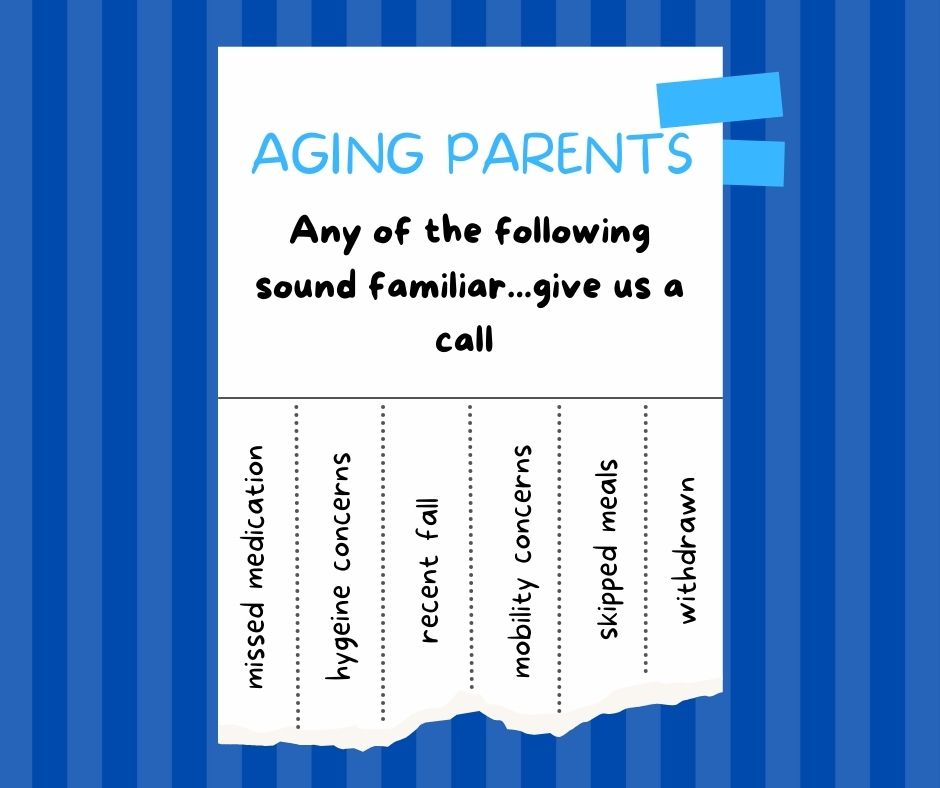
Most seniors want the same thing as they age: to stay in their own home for as long as possible. Home is familiar, comforting, and full of memories.
But there often comes a moment when families begin to wonder:
“Is Mom still safe at home?”
“Does Dad need more help than he’s letting on?”
Needing in-home care doesn’t mean losing independence. In fact, the right support often allows seniors to remain safely at home longer—with dignity, confidence, and peace of mind.
Here are some common signs it may be time to consider in-home care for a loved one.
1. Missed Medications or Confusion with Pills
Managing medications can become overwhelming, especially when multiple prescriptions are involved. Missed doses, taking pills twice, or uncertainty about timing can quickly become dangerous.
How in-home care helps:
Caregivers provide medication reminders and routine support to help seniors stay healthy—without taking control away.
2. Changes in Personal Care or Hygiene
If you notice skipped showers, unwashed clothing, or declining grooming habits, this may point to mobility challenges, fear of falling, or fatigue.
How in-home care helps:
Caregivers assist with bathing, dressing, and personal care while preserving dignity and independence.
3. Increased Falls or Mobility Concerns
Falls are one of the biggest risks for seniors living at home. Even small changes—like holding onto furniture or avoiding stairs—can signal growing instability.
How in-home care helps:
Caregivers provide steady assistance, help reduce fall risks, and offer reassurance during daily movement.
4. Skipped Meals or Poor Nutrition
Cooking can become physically exhausting or unsafe. Families may notice weight loss, expired food, or a lack of balanced meals.
How in-home care helps:
Caregivers assist with meal preparation, grocery planning, and shared mealtimes to ensure proper nutrition.
5. Loneliness or Social Withdrawal
Living alone can quietly lead to isolation. Seniors may stop attending social activities or avoid phone calls—even if they don’t admit feeling lonely.
How in-home care helps:
Companion care provides conversation, connection, and emotional support—something just as important as physical care.
6. Family Caregiver Burnout
When family members begin stepping in, the physical and emotional toll can build quickly. Many families reach a breaking point before asking for help.
How in-home care helps:
Professional caregivers provide reliable support, giving families relief, balance, and peace of mind.
In-Home Care Helps Seniors Age Safely at Home
In-home care is not about taking over—it’s about supporting independence.
With personalized care at home, seniors can:
-
Remain in a familiar environment
-
Maintain daily routines
-
Reduce hospitalizations and emergencies
-
Feel supported without feeling dependent
How We Support Seniors at Home
At Assisting Hands Home Care, we provide personalized, flexible in-home care for seniors throughout Davis and Weber Counties.
Our caregivers support seniors with:
-
Personal care and hygiene
-
Medication reminders
-
Meal preparation
-
Mobility assistance
-
Companionship and emotional support
Care is tailored to each individual—whether help is needed a few hours a week or every day.
Wondering If In-Home Care Is the Right Next Step?
You don’t have to figure this out alone.
📞 Call us today to talk through your options
We’re here to answer questions, assess needs, and help your family make confident, informed decisions—without pressure.

