
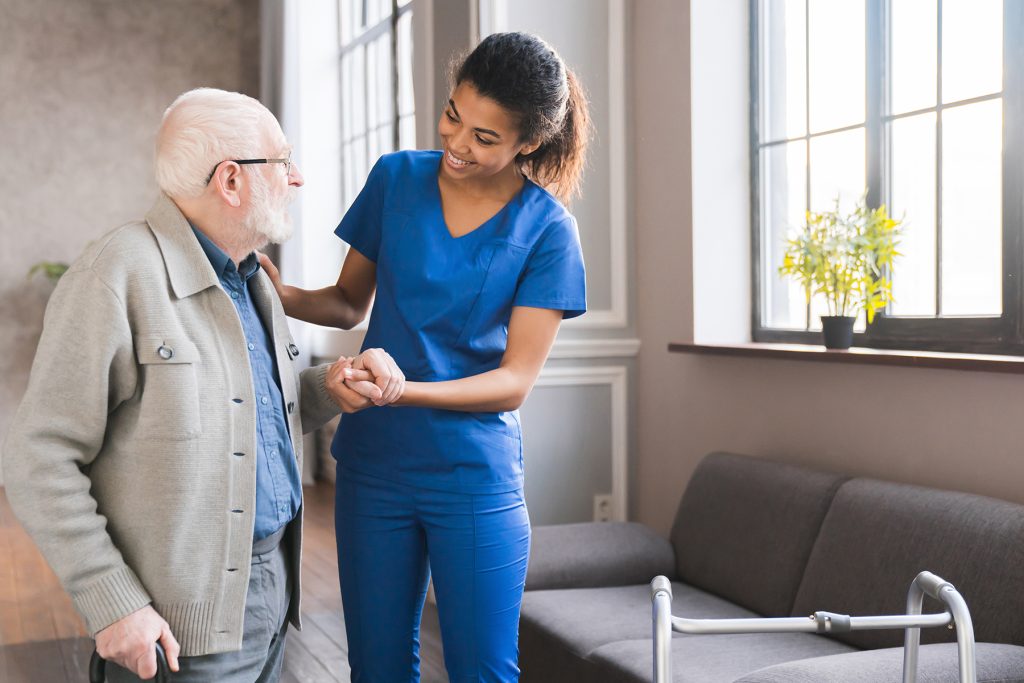
Fall prevention for seniors is getting extra attention this month, and for good reason. Every September, as the calendar flips to fall, the National Council on Aging (NCOA) leads Falls Prevention Awareness Week — this year observed September 21–25, 2026. It’s a fitting time for the reminder: falling isn’t just “part of getting older.” It’s largely preventable, and the steps to prevent it are often smaller and more affordable than families expect.
One in four older adults falls each year, and a fall is rarely an isolated event — it’s often the first domino in a chain that can lead to hospitalization, a loss of independence, or a move out of the home a senior love. The encouraging part is that most of those chains can be interrupted before they ever start.
Why Falls Happen — and Why They’re Preventable
Falls are almost never caused by one single thing. They’re usually the result of several small risk factors adding up at once:
- Vision changes that make it harder to judge steps, curbs, or uneven flooring
- Foot pain or poor-fitting footwear that affects balance and gait
- Muscle weakness or reduced flexibility, especially in the legs and core
- Medication side effects, including dizziness or drowsiness
- Home hazards like loose rugs, poor lighting, or cluttered walkways
- Chronic conditions such as diabetes, arthritis, or inner ear issues that affect balance
Notice how many of these connect back to routine health habits — the same eye exams, foot care, and hydration we’ve talked about in past posts. Fall prevention isn’t a separate health issue; it’s the sum of all the smaller ones.
Simple Steps That Make a Real Difference
The good news: NCOA and the CDC’s STEADI initiative (Stopping Elderly Accidents, Deaths & Injuries) both point to a handful of proven, low-cost actions that meaningfully reduce fall risk:
- Schedule an annual eye and hearing exam. Vision and balance are more connected than most people realize.
- Review medications with a doctor or pharmacist. Some combinations increase dizziness risk — an annual review catches this early.
- Build strength and balance into the week. Even light, seated exercises or a short daily walk can help.
- Walk through the home for hazards. Secure rugs, add grab bars in bathrooms, improve lighting on stairs and in hallways.
- Ask about a Falls Free Checkup. NCOA offers a free, quick self-assessment that flags personal risk factors.
A Message for Families
If you’re an adult child or family caregiver, Falls Prevention Awareness Week is a natural, low-pressure moment to start a conversation you may have been putting off. You don’t need to lead with fear — lead with partnership. Try:
“I read that a lot of falls are preventable with small changes. Can we walk through the house together and see what might help?”
This week, consider taking one concrete step:
- Book that overdue eye exam or foot check for your loved one
- Do a 15-minute walkthrough of their home for trip hazards
- Ask their doctor or pharmacist for a medication review
- Take NCOA’s free Falls Free Checkup together
None of these require a major life change — just a starting point. And starting early is what keeps a fall from ever becoming the first domino.
How a Caregiver Fits Into the Picture
Family often carries this responsibility alone, and it’s a lot to track — medications, home hazards, mobility changes, doctor’s appointments — on top of everything else life asks of you. This is exactly where a trained caregiver can lighten the load, not replace your involvement.
A caregiver in the home can:
- Provide a steady second set of eyes, noticing small mobility or balance changes before they become a bigger problem
- Assist safely with transfers and mobility — getting in and out of chairs, beds, showers, and cars — which is where many falls happen
- Support strength and balance routines by encouraging and accompanying light daily movement
- Help manage medication reminders, reducing the risk of dizziness from missed or doubled doses
- Keep the home tidy and hazard-free day to day, not just during an occasional walkthrough
Rather than families choosing between doing it all themselves or stepping back entirely, a caregiver becomes part of the safety net — extending what families are already doing, especially during the hours no one else can be there.
Take the Next Step
Falls Prevention Awareness Week is a reminder, not a deadline. But if this is the nudge you needed to have the conversation, take it. Whether that means booking an eye exam, doing a home safety walkthrough, or simply asking what additional support might help your loved one stay steady and independent — we’re here to talk through it with you.
Contact Assisting Hands Cypress today at (346) 379-8705 to talk about how in-home care can support fall prevention for your loved one.

