
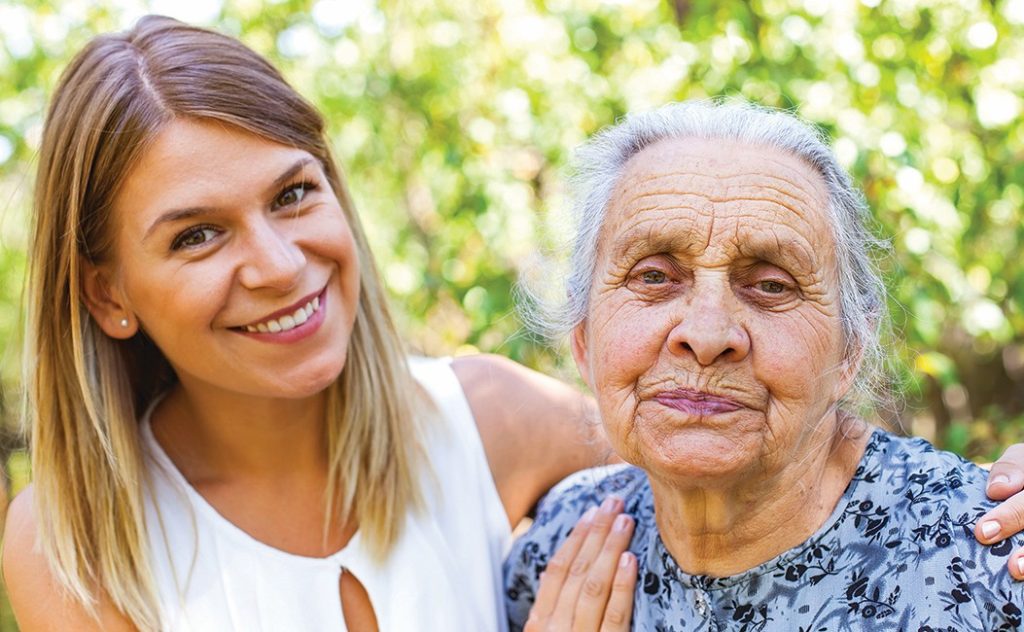
In our last post, we checked the “safety” boxes—clearing the hallways of trip hazards and changing filters to create a safe and healthy environment. In addition, it may be time to work with our seniors to ensure the smoke detectors are chirping only when they should. But safety is just the foundation. If a house is a body, then connection and purpose are its soul.
Transitioning to in-home care isn’t just about preventing accidents; it’s about ensuring that “aging in place” doesn’t turn into “isolating in place.
1. The Health Cost of the “Quiet House”
We often worry about physical falls, but the “emotional fall” of loneliness is just as dangerous. According to recent 2026 data on social determinants of health, roughly 1 in 4 community-dwelling older adults are considered socially isolated.
The physiological impact is staggering: research published in PMC highlights that chronic loneliness can be as detrimental to health as smoking 15 cigarettes a day, contributing to heart disease, stroke, and a higher risk of dementia. A professional caregiver provides more than medical support; they provide the consistent human interaction that keeps the brain engaged and the heart full.
2. Supporting the “Sandwich Generation”
If you are currently balancing your own children, your career, and your parents’ needs, you aren’t alone—but you might be exhausted. The Care.com 2026 Cost of Care Report found that 89% of parents feel burnt out, and “sandwich” caregivers are significantly more likely to experience relationship strain and identity loss.
Bringing in a caregiver isn’t “offloading” your responsibility; it’s outsourcing the chores so you can reclaim the relationship. When a professional handles the laundry and meal prep, you get to go back to being a son or daughter, rather than a full-time assistant.
3. Staying Where the Memories Are
The numbers don’t lie: we want to stay home. A 2025 AARP Survey revealed that 75% of adults aged 50 and older want to remain in their current homes for as long as possible.
While the cost of assisted living facilities continues to climb—averaging upwards of $54,000 per year—investing in home modifications and part-time professional aid is often a much more cost-effective and dignified path to longevity.
How to Start the “Talk”
Opening the door to home care can be sensitive. The National Institute on Aging (NIA) recommends a “partner, not boss” approach. Here are their key takeaways for a healthy conversation:
-
Start Early: Don’t wait for a crisis or a fall to bring it up.
-
Focus on Autonomy: Frame care as a tool that preserves independence rather than taking it away.
-
Listen More, Talk Less: Understand their specific fears—is it a stranger in the house? A loss of privacy? Addressing these directly makes the transition smoother.
Read More: For a full guide on navigating these conversations, check out the NIA’s official resource on long-term care at home.
The Bottom Line
Whether it’s the peace of mind that comes with a fresh set of batteries in the smoke detector or the joy of a shared afternoon walk, in-home care is about making the home a sanctuary. It’s the bridge between a safe house and a vibrant life.

