
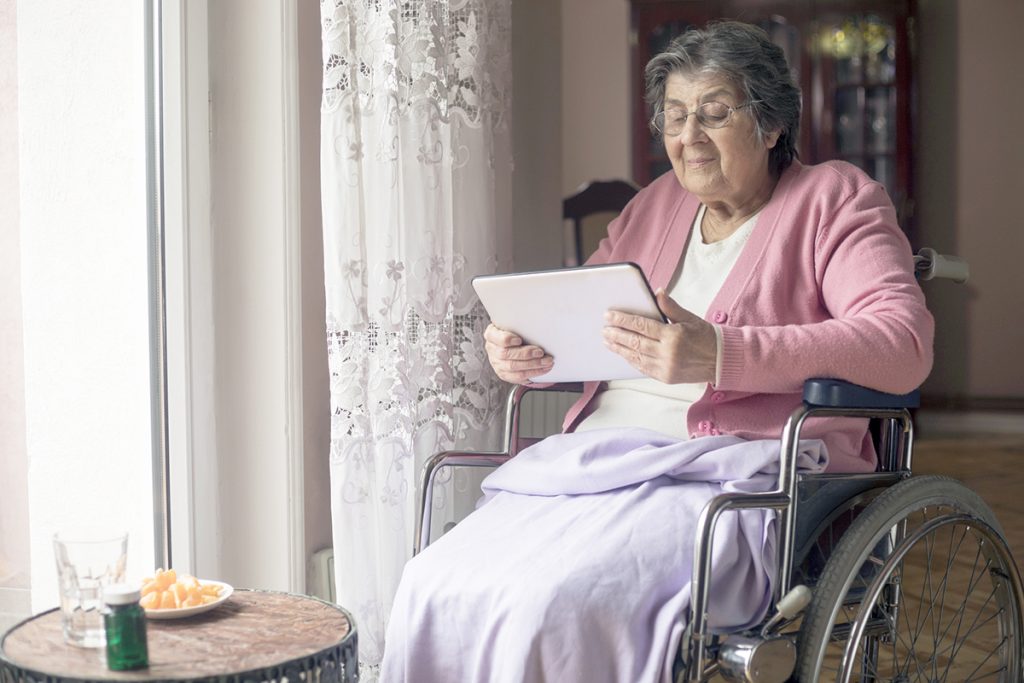
A quiet demographic shift is reshaping American households. Today, approximately one in four older adults lives alone. This statistic represents millions of individuals navigating their golden years independently. According to the Pew Research Center, solo agers account for roughly 26% of the senior population. Older women and adults over 85 are the most likely to live by themselves.
Living alone offers a sense of freedom and privacy. However, it also presents unique vulnerabilities. The Baby Boomer generation is aging rapidly. Because of this, the number of solo agers will continue to rise. Understanding these realities is essential for families. Fortunately, Personal Care Assistants (PAs) offer a tailored solution to keep seniors safe.
The Forces Driving the Solo Aging Phenomenon
Living alone later in life is rarely a sudden choice. Instead, it results from broader social and economic shifts. Key drivers behind this rising population include:
-
Increased Longevity: Better healthcare means individuals live longer. However, it also means one spouse often outlives the other.
-
Changing Family Dynamics: Rates of “gray divorce” have grown dramatically over the past few decades. This leaves more seniors single. Furthermore, smaller family sizes mean adult children often live far away.
-
The Desire to “Age in Place”: Research from AARP shows a powerful trend. Most seniors prefer to stay in their own homes. They want to maintain their independence and familiar routines.
Did You Know? Seniors living alone face higher risks of poverty and health complications. This data comes from the National Institutes of Health. Studies via the NIH Bookshelf reveal a harsh reality. Roughly 24% of older adults are socially isolated. Solo living heavily magnifies this risk.
The Hidden Vulnerabilities of Living Alone
Independent living is a triumph. Yet, without a support network, it can quickly become a safety hazard. Seniors living alone face several overlooked risks:
-
Social Isolation and Loneliness: Loneliness is a clinical health risk. The National Academies of Sciences, Engineering, and Medicine offer stark warnings. Social isolation increases dementia risk by 50%. It also raises the risk of stroke and heart disease.
-
Physical Safety and Fall Hazards: A sudden fall or medical emergency can be catastrophic. If no one is around to call for help, injuries compound. This leads to longer recovery times or permanent loss of mobility.
-
Nutritional Deficiencies and Medication Errors: Cooking a balanced meal for one can feel burdensome. Many solo seniors rely on poor convenience foods. Additionally, managing complex medication schedules independently increases dangerous dosing mistakes.
How a Personal Assistant (PA) Secures Independence
Many seniors fear that asking for help ends their autonomy. In reality, hiring a Personal Care Assistant is the ultimate tool for preserving independence. A PA bridges the gap between self-sufficiency and safety.
Here is how a personal assistant transforms the solo aging experience:
-
Consistent Companionship: PAs offer vital daily social interaction. They engage seniors in conversation, share meals, and accompany them on walks. This directly combats isolation.
-
Household Management & Nutrition Support: PAs handle light housekeeping, laundry, and grocery shopping. They keep the home clean and free of trip hazards. They also prepare fresh, nutritious meals.
-
Medication Reminders & Health Logistics: Non-medical PAs do not give medications. However, they provide crucial reminders to ensure proper dosing. They also manage calendars and provide transportation to doctor appointments.
-
Mobility Assistance: A professional in the home significantly reduces fall risks. They assist during high-risk transitions, like using the stairs or entering the shower.
Empowering Seniors to Thrive, Not Just Survive
The fact that 1 in 4 seniors lives alone highlights their resilience. Still, independence should never mean isolation. Families can proactively build an environment of safety and connection early on.
With the right support systems in place, solo aging is safe. By utilizing a Personal Care Assistant, aging alone can remain a fulfilling and dignified chapter of life.
Call to Action (CTA) Box
Are You or a Loved One Planning to Age Solo? Ensure safety, companionship, and absolute peace of mind without compromising on independence. Contact our team today. Learn how our personalized Personal Care Assistant programs can support your unique lifestyle.

