
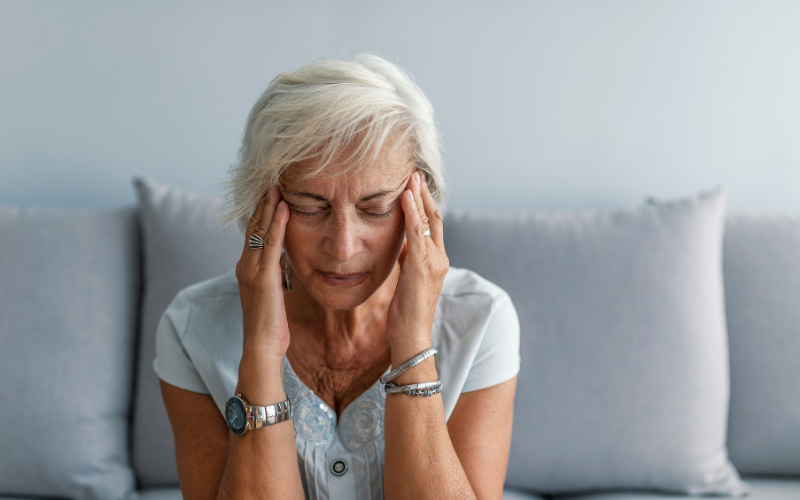
Strokes are one of the leading causes of serious health complications among older adults, and recognizing the warning signs early can mean the difference between a full recovery and lasting damage. Unfortunately, many seniors and even their loved ones are unaware of the subtle symptoms that can signal a stroke is occurring. From sudden numbness or weakness to difficulty speaking or understanding, knowing what to watch for can save lives. In this guide, we’ll break down the key signs of a stroke every senior should know, helping families act quickly and confidently in critical moments.
What is a Stroke?
A stroke occurs when the blood flow to a part of the brain is interrupted or reduced, preventing brain tissue from getting the oxygen and nutrients it needs. Without prompt treatment, brain cells begin to die within minutes, which can lead to lasting disability or even death.
There are two main types of strokes:
- Ischemic Stroke – This is the most common type, caused by a blood clot that blocks an artery in the brain. Clots can form in the brain itself or travel from other parts of the body, such as the heart.
- Hemorrhagic Stroke – This type occurs when a blood vessel in the brain bursts, leading to bleeding in or around the brain. High blood pressure, aneurysms, or weakened blood vessels are often contributing factors.
Seniors are particularly at risk due to age-related changes in blood vessels, higher prevalence of chronic conditions like hypertension and diabetes, and lifestyle factors such as smoking or inactivity. Understanding what a stroke is and how it affects the body is the first step in recognizing its warning signs early and potentially saving a life.
Common Signs of a Stroke
Recognizing the warning signs of a stroke early can make a life-saving difference. While symptoms can vary, there are several common indicators seniors and their caregivers should watch for:
- Sudden numbness or weakness: This often affects just one side of the body, including the face, arm, or leg. A sudden inability to move or feel one side is a major red flag.
- Facial drooping: One side of the face may appear to sag or feel numb, especially when smiling or speaking.
- Arm or leg weakness: Difficulty lifting or holding up an arm or leg, even briefly, can signal a stroke.
- Speech difficulties: Slurred speech, trouble finding words, or an inability to understand what others are saying are common warning signs.
- Vision problems: Sudden blurred, double, or partial loss of vision can occur in one or both eyes.
- Balance and coordination issues: Trouble walking, dizziness, or a sudden loss of balance may indicate a stroke affecting the brain’s motor centers.
- Severe headache: A sudden, intense headache that is unusual for the individual, sometimes described as “the worst headache of my life,” can be a symptom of a hemorrhagic stroke.
Even if symptoms appear mild or go away temporarily, they should never be ignored. Acting quickly and seeking emergency medical care immediately is critical, every minute counts when it comes to protecting brain health.
The FAST Method
When it comes to recognizing a stroke, speed is crucial. Medical experts recommend using the FAST method, an easy way to remember the most common warning signs and what to do next:
- F – Face Drooping
Ask the person to smile. If one side of the face droops or looks uneven, this could be a sign of a stroke. - A – Arm Weakness
Ask the person to raise both arms. If one arm drifts downward or cannot be lifted, immediate medical attention is needed. - S – Speech Difficulty
Listen for slurred speech, trouble finding words, or confusion. Ask them to repeat a simple sentence, any difficulty is a warning sign. - T – Time to Call 911
If any of these symptoms are present, call emergency services immediately. Acting fast can greatly improve the chances of recovery and minimize long-term damage.
Remember, even if symptoms are mild or seem to improve, never wait to seek help. Quick action is the most important step in protecting brain health and potentially saving a life.
When to Seek Help
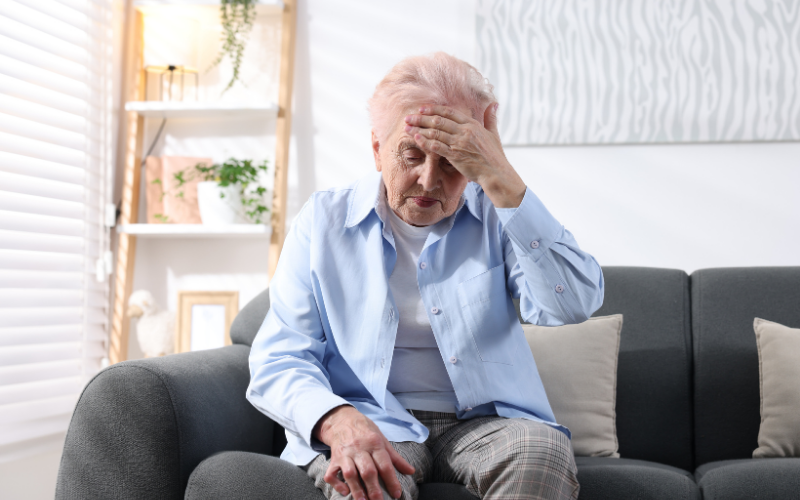
Recognizing the signs of a stroke is only the first step, knowing when to act is just as important. If a senior experiences any of the symptoms described above, call emergency services immediately. Stroke treatments are highly time-sensitive, and the sooner medical professionals intervene, the better the chances of a full recovery.
Even if symptoms appear mild, intermittent, or seem to improve on their own, do not wait or hesitate. Transient symptoms, sometimes called “mini-strokes” or TIAs (Transient Ischemic Attacks), are often warning signs of a future, more serious stroke. Prompt medical evaluation can prevent long-term damage and save lives.
For seniors living alone or at higher risk, having a support system in place, whether it’s family, friends, or professional caregivers, can make a crucial difference. Immediate access to help ensures that strokes are recognized quickly and that emergency care can be summoned without delay.
Preventive Measures for Seniors
While strokes can happen suddenly, there are steps seniors and their caregivers can take to reduce risk and protect brain health:
- Regular medical check-ups: Routine visits with a primary care physician help monitor blood pressure, cholesterol, and other risk factors. Early detection of issues like high blood pressure or atrial fibrillation can prevent strokes.
- Healthy lifestyle habits: Eating a balanced diet, staying physically active, maintaining a healthy weight, and avoiding smoking or excessive alcohol can significantly lower stroke risk.
- Medication management: For seniors with chronic conditions like hypertension, diabetes, or heart disease, following prescribed medication schedules is crucial. Caregivers can help ensure medications are taken consistently.
- Professional support at home: Having a trained caregiver or companion can provide not only daily assistance but also vigilance for early warning signs of stroke. Home care professionals can monitor health changes, encourage healthy routines, and respond quickly in an emergency.
By combining preventive care, healthy habits, and a strong support system, seniors can greatly reduce their chances of experiencing a stroke and improve their overall well-being.
Senior Home Care from Assisting Hands
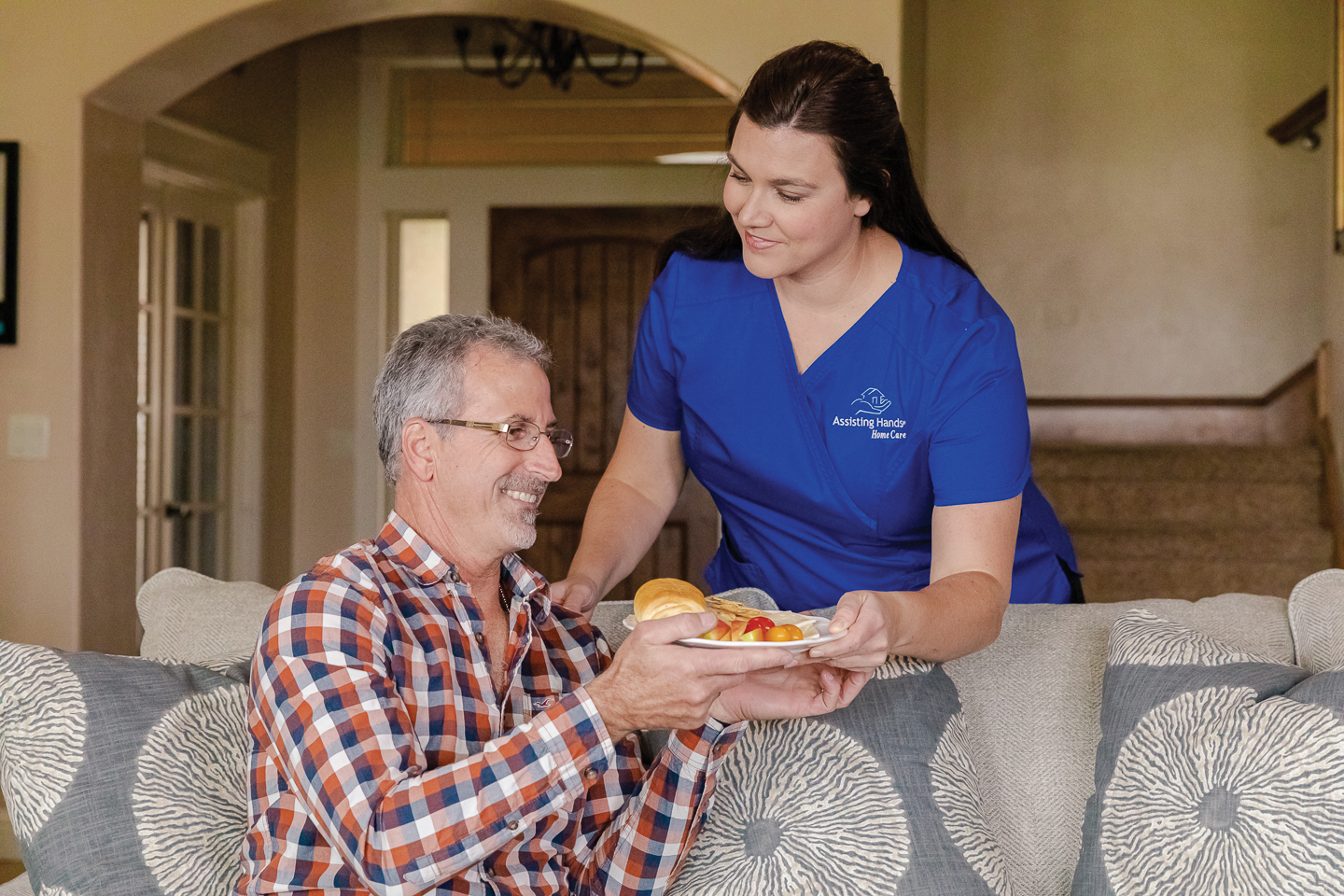
Understanding the signs of a stroke and acting fast when they appear can be life-saving for seniors and incredibly reassuring for their families. From sudden numbness or facial drooping to changes in speech, vision, or balance, knowing what to look for helps you take immediate action and get emergency care when it matters most.
But stroke awareness doesn’t stop at recognition. Many seniors, especially those at higher risk due to age or health conditions, benefit from ongoing support at home to stay safe, maintain healthy habits, and have someone watch for changes in their well-being before they become emergencies.
If you or your loved one could use personalized support to help with daily tasks, medication reminders, meal preparation, mobility, companionship, and more, consider reaching out to Assisting Hands Home Care. Our trained and compassionate caregivers provide home health care tailored to each individual’s needs, helping seniors maintain independence and quality of life right in the comfort of home.
Whether you need a few hours of assistance a week or 24/7 support, Assisting Hands works closely with families to create flexible care plans that adapt as needs change. You can call us at (725) 696-9942 for more about our senior in-home care services in Las Vegas, Paradise, Henderson, and the surrounding areas.


