
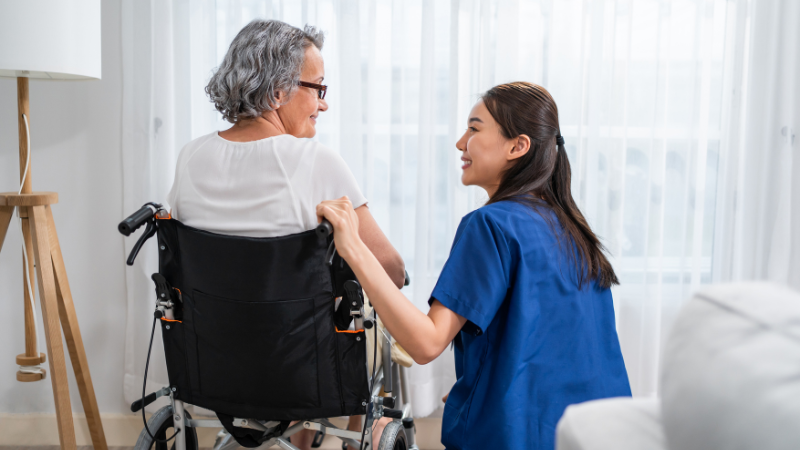
About half of all elderly women and one-third of aging men experience urinary incontinence. Although common, incontinence is not a normal part of aging. It’s messy and embarrassing. Here are 11 ways caregivers can best care for older adults dealing with bladder control issues.
What are the various types of incontinence?
Incontinence is separated into four types, each with their own causes. Stress incontinence occurs when a senior sneezes, coughs, or laughs. Due to pressure on their abdomen, urine leakage occurs. In men, stress incontinence is usually a complication of prostate surgery.
Urge incontinence is accompanied by a sense of urinary urgency. The senior is unable to hold their urine before reaching the toilet. Urge incontinence is commonly experienced by older adults suffering from Parkinson’s disease, Alzheimer’s disease, multiple sclerosis, or a stroke.
Seniors who always have a full bladder are unable to completely empty it. In these cases, the aging adults may suffer from overflow incontinence. The small amount of urine leakage is caused by spinal cord injuries or diabetes. Men with an enlarged prostate are unable fully empty their bladder.
Functional incontinence occurs when the older person is physically unable to reach the bathroom in time due to health conditions that interfere with mobility, such as arthritis or other disorders. Simply, these seniors experience difficulty moving quickly and leakage occurs.
How do caregivers care for seniors with incontinence?
Bladder control issues are embarrassing and can prevent a senior from engaging in certain activities. However, with proper treatment, older adults can manage their incontinence. Treatments depend on the cause of the incontinence, its severity, and what best suits the senior’s lifestyle.
1. Avoid Bladder Irritants
Certain beverages and foods irritate the bladder and trigger incontinence. These drinks include coffee, tea, and carbonated sodas. Alcohol and acidic juices are known to irritate the bladder, too. Foods the senior should avoid include chocolate, spicy dishes, and honey—which trigger incontinence.
2. Schedule Bathroom Trips
A daily routine can help the aging body become acclimated to using the bathroom at certain times. By scheduling bathroom trips every one to two hours, even when unnecessary, the senior may avoid a messy accident. Find a schedule that works for the care recipient and adhere to it.
3. Encourage Pelvic Muscle Exercises
Elderly women and men benefit from performing pelvic muscle exercises, otherwise known as Kegels. These exercises involve squeezing the pelvic floor muscles for three seconds, relaxing, and repeating for 10 to 15 repetitions. Kegel exercises strengthen the pelvic floor muscles to treat bladder problems.
4. Use Urgency Suppression Techniques
Caregivers can try helping elderly care recipients control their strong urges to urinate. Urgency suppression allows the seniors to make it to the toilet on time. The caregiver might distract the senior, ask them to take long, relaxing breaths or have them squeeze their pelvic floor muscles.
5. Take Medications
Bladder control problems can be treated with medications that come in pill, liquid, or patch form. Anticholinergics, like Ditropan XL and Detrol, calm an overactive bladder and help with urge incontinence. Alpha blockers are helpful for men with urge or overflow incontinence.
6. Apply Bulking Agents
Bulking agents are applied by a medical professional to thicken the area around the urethra, which keeps it closed and reduces urine leakage. It is injected as a gel or paste. The procedure is intended to help with stress incontinence but must be repeated to remain effective.

7. Use Bladder Control Products
Caregivers can provide their aging care recipients with a range of bladder control products. Disposable briefs or underwear may be worn. Furniture pads protect furniture from unwanted leaks. Urine deodorizing pills taken by mouth may also help seniors over time.
8. Support Lifestyle Changes
Support seniors in their efforts to modify their lifestyle and manage their bladder problems. For instance, older adults who smoke should quit. Prepare healthy meals to help overweight seniors lose weight. Do not serve alcohol to older adults with urinary incontinence issues.
9. Control Odors
When urinary incontinence accidents happen, caregivers should ensure their aging care recipient remains clean and comfortable. Provide the older adult with clean undergarments. After the individual voids, make sure they wipe from front to back. Good hygiene controls unpleasant odors.
10. Promote Hygiene
Good hygiene is important for seniors who are prone to urinary incontinence. Use gentle cleansers after each change of absorbent pads or incontinence products. Rinse and dry thoroughly. Certain cleansers are more suitable for incontinence issues, as they are gentler and more moisturizing.
11. Visit a Healthcare Provider
The senior must visit a doctor if they show signs of urinary problems, like pain while urinating or blood in the urine. A senior who urinates eight or more times per day or passes a small amount of urine despite a strong urge to urinate should receive a medical checkup.
Elder Home Care from Assisting Hands
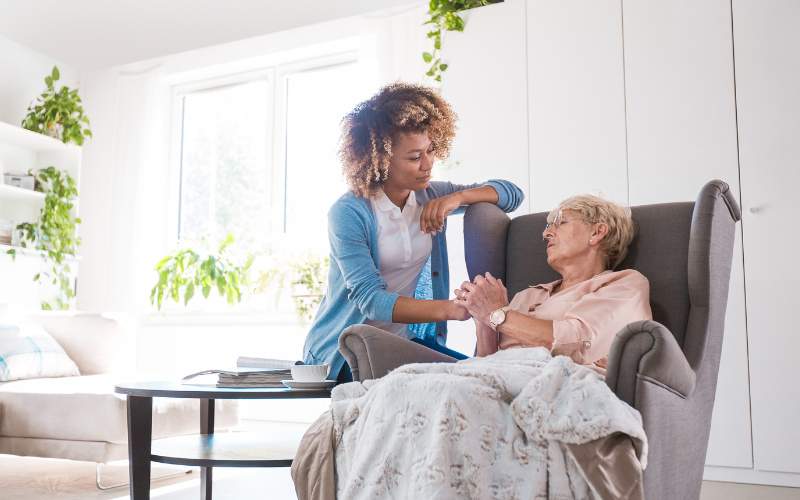
Elder care can help seniors manage or treat urinary incontinence. When your aging loved one could use extra support in dealing with bladder control issues, the professional caregivers at Assisting Hands Home Care are prepared to provide discreet, respectful assistance to keep them clean and comfortable.
We provide help with daily hygiene tasks, like bathing, toileting, and dressing. Our professionals are experienced in handling incontinence problems, too. We ensure the senior wears fresh undergarments and that incontinence products are changed regularly. Bed linens are also washed to promote hygiene.
In addition, our caregivers shop for groceries and prepare nutritious meals. We provide transportation and escort to the medical office so the senior can discuss their incontinence issues with their doctor. If medications are prescribed, our caregivers give timely medication reminders.
The senior’s non-medical care needs are fulfilled by the compassionate caregivers at Assisting Hand Home Care. We are privileged to serve the elderly living in Las Vegas, Nevada. Schedule a free in-home consult today and learn how quality senior home care can elevate your loved one’s daily life.


