
Seniors with Alzheimer’s disease and other forms of dementia are prone to wandering. It is important to prevent wandering, as it is a safety risk that can lead to severe injury or getting lost. Caregivers who utilize the following safety tips protect their aging care recipient’s well-being.
How common is wandering?
Wandering is a common symptom of dementia. The National Council on Aging reports that 36 percent of seniors with dementia wander. Plus, the Alzheimer’s Association concludes that six out of 10 people with dementia will wander at least once.
Older adults who wander leave the safety of their home or caregiver. They are unaware of their safety, which puts them at risk or injury, falls, or getting lost. Caregivers are therefore urged to monitor seniors with dementia to prevent them from wandering.
Why do dementia patients wander?
Several factors contribute to a dementia patient wandering. Cognitive impairment is one major cause of this dementia symptom. Others include feeling restless, agitated, or an intense desire to leave a present situation that is noisy in search of a calmer environment.
Some seniors wander because they feel they have a responsibility to perform. They may wander to look for something they need or feel compelled to be somewhere. Wandering can occur due to medication adjustments or changes to their environment. If they feel overwhelmed, seniors can wander.

What are the hazards of wandering?
Wandering can lead to not only injuries but death. Dementia patients face harsh consequences when they wander, including dehydration, inclement weather, drowning in lakes, rivers, or swimming pools, being hit by a car, and medical complications. Injuries from falls, like broken bones, can occur.
What are wandering safety tips?
Tip 1: Perform a wandering assessment
The need to keep dementia patients from wandering is clear. One of the first steps caregivers can take is to conduct a wandering assessment, which evaluates a senior’s likelihood for wandering. Whether done by a healthcare provider or at home, the assessment prevents caregivers from being caught off-guard.
Caregivers should ask how frequently the senior has wandered in the past and note the first time they wandered. Determine whether the older adult predominantly wanders during the day or night. What are triggers (i.e., noise, discomfort)? Try to identify the motivation behind the wandering.
Tip 2: Be aware of triggers
Boredom, hunger, or noisy environments can be triggers for people with dementia. They wander to fulfill their needs or to escape. Caregivers who watch for hunger or anxiety can act quickly to prevent the senior from wandering. Keep snacks nearby and ensure the bathroom is easily accessible.
Tip 3: Use GPS trackers
Another wandering safety tip is to utilize technology. A GPS locator system is helpful to track the older adult when they wander. Some medical alert systems include GPS tracking and can be comfortably worn as a necklace or a smartwatch.

Photo: Wikimedia Commons
Tip 4: Create a safe space for wandering
Caregivers might create a safe place for a dementia patient who tends to wander. Safe havens include a fenced-in backyard, gardens, outdoor lounge areas, or walking paths. These are safe spaces to wander, as they do not allow the senior to leave.
Tip 5: Enhance home safety
Modify the home to reduce the risk of wandering. Install locks on doors and add alarms to both windows and doors to be notified when they are opened. Add child-proof covers to doorknobs. Camouflage doors by painting them the same color as the walls.
Tip 6: Create a daily activity schedule
Boredom is alleviated when caregivers create and implement a daily activity schedule. Include exercise in the routine to ensure the senior remains stimulated. Participating in regular activities also helps the older adult feel a sense of purpose, which can reduce their likelihood of wandering.
Tip 7: Take safety measures
Take a photograph of the senior to provide to police in the event they go missing. Ensure the senior wears a medical ID bracelet, which helps with identification. Notify neighbors that the senior has dementia and tends to wander; they may be helpful in keeping an eye on the senior.
Tip 8: Follow a plan of action
If the senior wanders, ask the police to issue a Silver Alert, which notifies the public of a missing older adult with dementia. Also contact nearby hospitals and provide them with a description of the senior and any medical problems they have. Check the senior’s favorite places, like restaurants.
In advance, create a list of important contacts, such as family and friends. If the older adult goes missing, rely on the list to notify them of the event. Ask them when they last saw the senior and the direction in which they were headed.
Call Assisting Hands Home Care for Help
Preventing an older adult with dementia from wandering includes keeping them active, engaged, and monitored. Family caregivers who are too busy to provide the ongoing supervision can rely on the memory caregivers at Assisting Hands Home Care to provide invaluable in-home care.
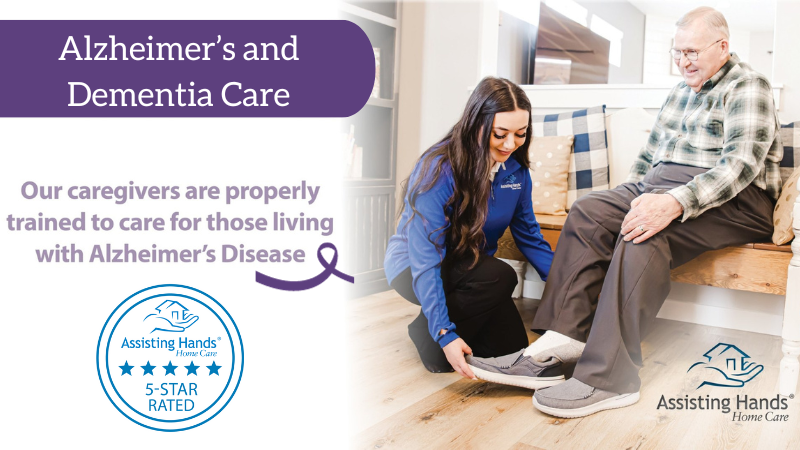
We provide compassionate dementia care to seniors who are diagnosed with dementia. Our professional caregivers are trained to identify and manage symptoms of dementia, including wandering. We never leave the dementia patient alone at home and instead keep them engaged and active.
Included in our care services is discreet help with incontinence issues that frequently occur in the later stages of dementia. If the dementia patient becomes agitated, we use distraction techniques to calm them. We also monitor them so they do not have a chance to wander.
In-home care also includes healthy meal preparation, grocery shopping, and medication reminders. We provide reliable transportation and escort to doctors’ offices or to conduct errands. Caregivers perform light housekeeping and remove clutter to reduce fall risks. We’re also friendly companions.
When you are concerned about your aging loved one wandering, choose memory care from Assisting Hands Home Care in Winter Garden, Florida. We prioritize seniors’ safety, well-being, and comfort. Schedule a free in-home consult today and enhance the older adult’s overall quality of life.

