
Bringing up the topic of home care with someone you love can feel uncomfortable, emotional, or even intimidating. You may worry about hurting their feelings, taking away their independence, or causing conflict. Yet avoiding the subject can make future challenges even harder.
Starting the home care conversation early, before a crisis occurs, allows families to plan thoughtfully, respect personal wishes, and focus on safety, comfort, and quality of life. In this guide, we’ll walk you through how to gently approach the discussion, offer practical tips for navigating sensitive emotions, and share helpful talking points to make the conversation supportive, respectful, and productive.

Why Starting the Home Care Conversation Matters
Starting the home care conversation early can make a meaningful difference for everyone involved. Too often, families wait until a fall, hospitalization, or sudden decline forces them to make decisions under pressure. When care is discussed ahead of time, choices can be made thoughtfully instead of in crisis mode, allowing for better planning, fewer regrets, and more positive outcomes.
Having this conversation also gives your loved one an active voice in their future care. Rather than feeling that decisions are being made for them, they can share their preferences, concerns, and goals. This sense of control helps preserve dignity and fosters trust, making it more likely that any support introduced will be accepted and successful.
Most importantly, early discussions about care support safety, independence, and overall quality of life. Home care is not about taking away freedom, it’s about making daily living easier, preventing accidents, and helping individuals remain in their own homes longer. When the right level of assistance is in place, many older adults are able to stay active, confident, and engaged in the routines they value most.
Finally, starting the home care conversation reduces stress for family members. Clear communication helps prevent disagreements, guilt, and uncertainty about “what to do next.” Everyone can move forward with a shared understanding and a plan that prioritizes both practical needs and emotional well-being.
When Is the Right Time to Talk About Home Care?
There’s no single “perfect” moment for starting the home care conversation but earlier is almost always better. Waiting until a major incident occurs, such as a fall, hospitalization, or sudden health decline, often leads to rushed decisions made under stress. Opening the discussion before care becomes urgent allows everyone to think clearly, ask questions, and explore options without pressure.
Some common signs may indicate that it’s time to talk about additional support. These can include changes in mobility, difficulty managing household tasks, missed medications, increasing forgetfulness, or withdrawal from social activities. You may also notice small but consistent struggles with bathing, cooking, driving, or keeping up with appointments. While each change alone may seem minor, together they can signal that extra help could improve safety and well-being.
Health events can also create natural opportunities for the conversation. A recent hospital stay, diagnosis, or injury often brings new challenges at home. Framing the discussion around recovery, comfort, or preventing future issues can make it feel more practical and less personal.
Equally important is choosing the right setting. Aim for a calm, private moment when neither of you is rushed, tired, or emotionally charged. Avoid starting the conversation during a disagreement or in front of others. A quiet, respectful environment helps keep the focus on shared goals such as health, independence, and quality of life rather than fear or defensiveness.

Preparing for the Conversation
A thoughtful approach can make starting the home care conversation feel more natural and less overwhelming. Before you speak with your loved one, take some time to reflect on what prompted your concerns. Are you worried about safety, daily tasks becoming harder, or their overall well-being? Clarifying your reasons will help you communicate with honesty and compassion rather than frustration or fear.
It’s also helpful to gather basic information about home care ahead of time. Understanding what services are available, such as help with personal care, meal preparation, medication reminders, or companionship, can allow you to answer questions and address misconceptions. Many people assume home care means losing independence, when in reality it often provides just enough support to maintain it.
Emotional readiness is just as important as practical preparation. Your loved one may feel defensive, anxious, or resistant at first. Anticipating these reactions can help you remain patient and supportive rather than reactive. Remind yourself that hesitation usually comes from fear of change, not from rejecting your concern.
Finally, consider whether other family members should be involved. In some situations, having a trusted sibling, spouse, or adult child present can provide reassurance and show that the conversation is about care, not control. Just be sure that everyone agrees on the message and approach, so the discussion remains calm, respectful, and focused on what’s best for your loved one.
How to Start the Home Care Conversation Gently
Starting the home care conversation can feel daunting, but the way you approach it can make all the difference. Begin with empathy and reassurance. Let your loved one know that your concern comes from care, not criticism. Simple, honest statements that focus on well-being can help set a supportive tone and reduce defensiveness from the start.
Using “I” statements rather than “you” statements is especially important. For example, saying “I’ve been worried about your safety lately” feels less confrontational than “You can’t take care of yourself anymore.” This approach keeps the conversation centered on your feelings and concerns instead of placing blame or judgment on them.
It’s also helpful to focus on shared goals. Most people want to remain independent, safe, and comfortable in their own homes for as long as possible. Framing home care as a tool to support those goals, not replace them, can shift the conversation from fear of loss to the possibility of maintaining quality of life. Emphasize that home care can be flexible and tailored to their needs, whether that means a few hours of help a week or more consistent support.
Above all, avoid rushing the discussion or issuing ultimatums. This should feel like an ongoing dialogue, not a one-time decision. Give your loved one space to process the idea, ask questions, and express concerns. Starting the home care conversation with patience and respect builds trust and makes it far more likely that any future steps will be accepted with confidence rather than resistance.

Helpful Talking Points for the Discussion
When starting the home care conversation, having a few gentle talking points in mind can help guide the discussion and keep it productive. These prompts focus on safety, comfort, and independence, rather than fear or loss of control:
- “I want to make sure you’re safe and comfortable at home.”
Leading with care and concern reassures your loved one that the goal is their well-being. - “What kind of support would make daily life easier for you?”
Asking for their input gives them a sense of control and shows that their preferences matter. - “How do you feel about getting a little extra help?”
Framing help as supportive rather than intrusive encourages openness and reduces defensiveness. - “Let’s explore options together—nothing has to change right away.”
Presenting choices in a low-pressure way emphasizes collaboration and allows them to consider solutions at their own pace. - “Many people find that even a few hours of help each week can make life much easier.”
Offering practical examples can normalize home care and help your loved one see the real benefits.
Using these talking points can turn a potentially difficult conversation into a supportive dialogue. Remember, the goal is to listen as much as you speak. Validating feelings, acknowledging fears, and keeping the focus on shared goals helps make the discussion productive and respectful.
Handling Resistance, Fear, or Emotional Reactions
It’s natural for your loved one to have concerns or even push back when the topic of home care comes up. Feelings of fear, loss of independence, or anxiety about change are common, and acknowledging them is key to keeping the conversation productive.
The first step is to listen without arguing. Give them space to express worries, frustration, or sadness, and resist the urge to immediately counter with facts or solutions. Simply validating their feelings, “I understand this feels overwhelming,” can help them feel heard and respected.
Next, focus on reassurance. Remind your loved one that home care isn’t about taking control away, it’s about support, safety, and maintaining the life they want to live. Emphasize that care can be flexible, tailored to their preferences, and adjusted over time as needs change.
Sometimes it helps to pause and revisit the conversation later. If emotions run high, stepping back can prevent conflict and give both sides time to reflect. Starting the discussion gradually, rather than all at once, often leads to better understanding and acceptance.
Finally, remember that patience is essential. Resistance is often rooted in fear, not stubbornness. By staying calm, empathetic, and focused on shared goals, you create an environment where your loved one feels safe exploring home care options rather than feeling pressured into them.
Exploring Home Care Options Together
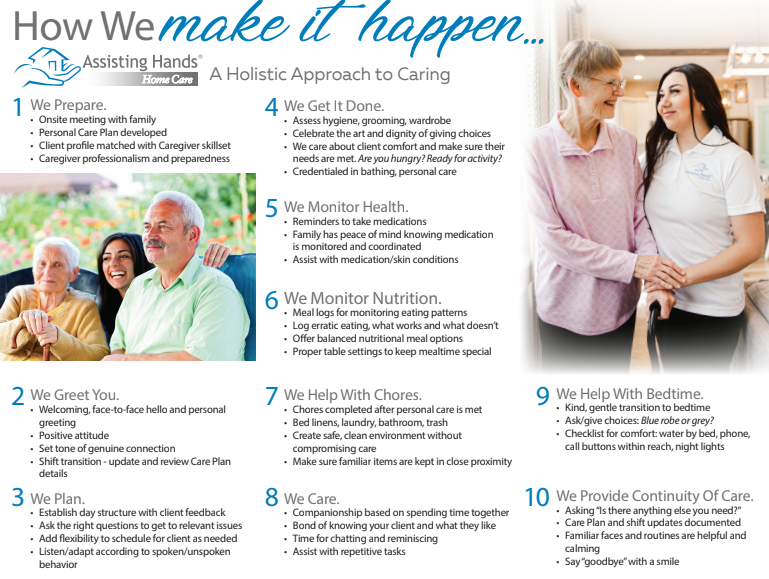
Once the initial conversation has opened the door, the next step is exploring home care options in a way that includes your loved one. Involving them in the process helps ensure that the care plan meets their needs and respects their preferences, while reducing feelings of uncertainty or loss of control.
Start by clarifying what home care can provide. Services range from light assistance, such as meal prep or companionship, to more hands-on help with bathing, dressing, medication reminders, or mobility support. Understanding the different types of care helps your loved one see that support can be tailored rather than all-or-nothing.
Consider starting small. Even a few hours a week of part-time care can make a significant difference in safety and quality of life. This approach allows your loved one to experience home care gradually, helping them build trust with caregivers and feel comfortable with the support being offered.
Encourage your loved one to ask questions and share preferences. Where possible, involve them in scheduling, selecting caregivers, and deciding which tasks they want assistance with. This collaborative approach reinforces independence while ensuring that their daily routines and lifestyle are respected.
Finally, emphasize that home care is flexible and adaptable. Needs may change over time, and care plans can be adjusted accordingly. Framing home care as a partnership rather than a permanent change helps reduce anxiety and fosters a sense of control and confidence.
Next Steps After the Conversation
After starting the home care conversation and exploring options together, it’s important to turn discussion into action while keeping your loved one involved. Clear next steps can make the process feel less overwhelming and more manageable for everyone.
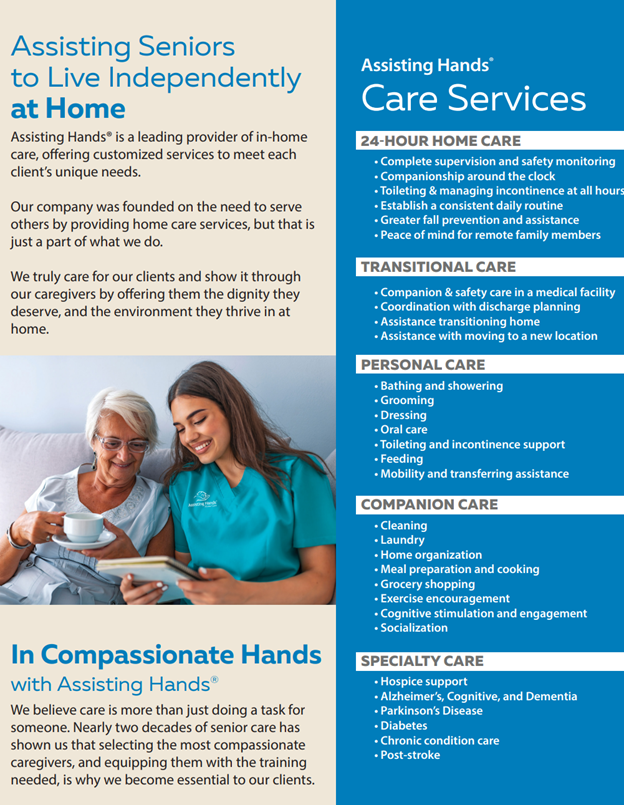
One of the first steps is scheduling an in-home assessment with a trusted home care provider. This allows a professional to evaluate your loved one’s specific needs, identify areas where support could improve safety and quality of life, and provide recommendations tailored to their situation.
Next, work together to create a flexible care plan. This plan should outline the types of support needed, the frequency of services, and any special considerations, while leaving room for adjustments as needs change over time. Involving your loved one in this process reinforces their independence and ensures that care feels collaborative rather than imposed.
Regular check-ins are essential. Needs can evolve, and ongoing communication allows both you and your loved one to reassess care levels, address concerns, and make changes as needed. This proactive approach can prevent crises and keep your loved one comfortable and secure in their home.
Always keep the dialogue open. Home care is not a one-time decision; it’s a partnership that grows with your loved one’s needs. Frequent, honest conversations help maintain trust, reduce stress, and ensure that care continues to support independence, dignity, and quality of life.
Turning a Difficult Talk Into a Supportive Plan
Starting the home care conversation with a loved one can feel challenging, but approaching it with patience, empathy, and preparation makes all the difference. By listening carefully, validating feelings, and exploring options together, you can turn what might feel like a difficult discussion into a supportive, collaborative plan that prioritizes safety, independence, and quality of life.
Remember, home care isn’t about taking control away, it’s about giving your loved one the support they need to continue living comfortably in the place they love. Starting early, involving them in decisions, and keeping communication open ensures that care feels empowering rather than restrictive.
If you’re ready to take the next step, call Assisting Hands Home Care – Winter Garden at (407) 258-1223 for a free in-home consultation for our senior home care services. Together, we’ll create a personalized care plan that meets your family’s needs and helps your loved one maintain independence, dignity, and comfort in their home.
❓ Frequently Asked Questions: How to Start the Conversation About Home Care
Q: What’s the best way to bring up home care without upsetting my parent?
Start with empathy. Focus on your concern for their safety and well-being, not on what they can’t do. Try saying something like, “I’ve noticed a few things around the house, and I want to make sure you’re getting the support you deserve.” In Orlando and West Orange County, many families begin with short-term or part-time care to ease into the transition.
Q: When is the right time to talk about home care?
If you’re noticing changes in hygiene, medication routines, memory, or mobility – it’s time to talk. The earlier you start the conversation, the more involved your loved one can be in the decision. Don’t wait for a fall or hospital visit. Many Winter Garden and Windermere families reach out to home care agencies like Assisting Hands after these warning signs appear.
Q: How do I avoid making my loved one feel like they’re losing independence?
Frame home care as a tool for maintaining independence, not taking it away. Highlight how a caregiver can help them continue doing what they love—whether it’s walking around Lake Eola, going to church in Ocoee, or just staying in the comfort of their own home longer.
Q: Should I involve other family members in the conversation?
Yes, especially if you’re part of the “sandwich generation” managing kids, work, and aging parents. Involving siblings or spouses ensures everyone is on the same page. In West Orange County, many families schedule a group meeting at home or even invite a care advisor to guide the discussion.
Q: What if my loved one refuses home care completely?
Resistance is common at first. Focus on small steps – maybe starting with light housekeeping or a few hours a week of companionship. Assisting Hands Home Care in Winter Garden, FL often helps families ease into services with flexible, low-pressure options and caregiver meet-and-greets.

