
The Best Summer Activities to Enjoy with Aging Parents and Grandparents
Summer has a way of bringing families together. Longer days, warmer weather, and holiday gatherings create opportunities to slow down…
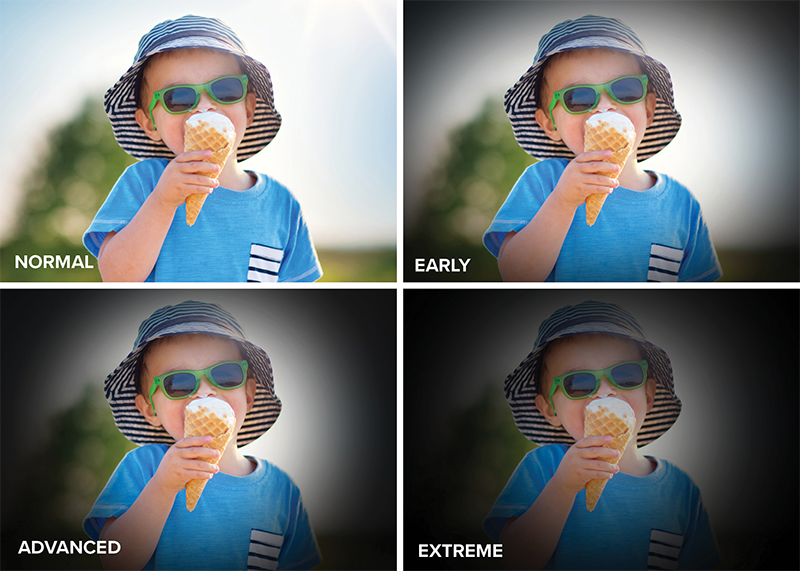
Mark your calendar, it’s National Glaucoma Awareness Month and a great time to schedule a dilated eye exam for your senior loved one. If caught on time, blindness can be avoided.
Knowledge is Power
As a caregiver to your loved one, it is important to learn as much as you can about Glaucoma, also called “the silent thief of sight,” so that you can possibly stave off its damaging effects. Being informed will help reduce anxiety and possibly alter the outcome of the diagnosis to be more positive.
Here is what is known about glaucoma, according to www.glaucoma.org:
Research tells us that everyone is at risk of glaucoma. The disease affects every age group with a higher concentration among Blacks, Asians, and Hispanics. It is also known that people who are severely near-sighted and diabetic are also among the high-risk group. But if caught early and properly managed, this disease may not cause blindness because treatment can slow the progression of the disease.
Treatment and Management
According to the Cleveland Clinic, it’s important to see your eye doctor immediately if you have eye pain, severe headaches or vision problems.
Glaucoma treatments include:
Eyedrops/Medication: Prescription eyedrops decrease fluids and increase drainage to alleviate eye pressure. There are many types of eyedrop medications that can be used for this condition. Because glaucoma is a lifelong condition, you may need to use daily eyedrops for life.
Laser treatment: Your eye doctor uses a laser (strong beam of light) to help improve fluid drainage from your eye. While the laser can complement the use of eye drops, it may not replace it completely. The results from laser treatments vary but can last up to five years. Some laser treatments can also be repeated.
Surgery: Surgery is another way to help reduce eye pressure. It is more invasive but can also achieve better eye pressure control faster than drops or laser. Surgery can help slow down vision loss, but it can’t restore lost vision or cure glaucoma. There are many types of surgeries for glaucoma, and depending on the specific type and severity, your eye doctor may choose one over another.
Signs of glaucoma
Loss of peripheral or side vision is usually one of the first sign of glaucoma. If you or your loved one is experiencing this type of vision loss, be sure to contact an ophthalmologist as soon as possible. Other signs to be aware of include:
What you can do as your loved one’s caregiver
A few suggestions that can help provide safety for your loved one with glaucoma:
According to Dr. Jithin Yohannan of the Wilmer Eye Institute at Johns Hopkins Medicine, there is hope because glaucoma is often a very manageable disease. “The vast majority of patients will not go blind from glaucoma if they maintain good follow-up with their care team and follow their recommendations.”
If you or a loved one are in need of compassionate and dependable care, be sure to call AssistingHands® Home Care by visiting www.assistinghands.com to find a location near you.
Summer has a way of bringing families together. Longer days, warmer weather, and holiday gatherings create opportunities to slow down…
Summer is the perfect time to enjoy fresh, colorful foods, and few recipes capture the spirit of the season quite…
Summer brings sunshine, backyard gatherings, family vacations, and opportunities to spend more time outdoors. While the season offers plenty to…
Every year on the Fourth of July, we gather with family and friends to celebrate our nation’s independence. We enjoy…