
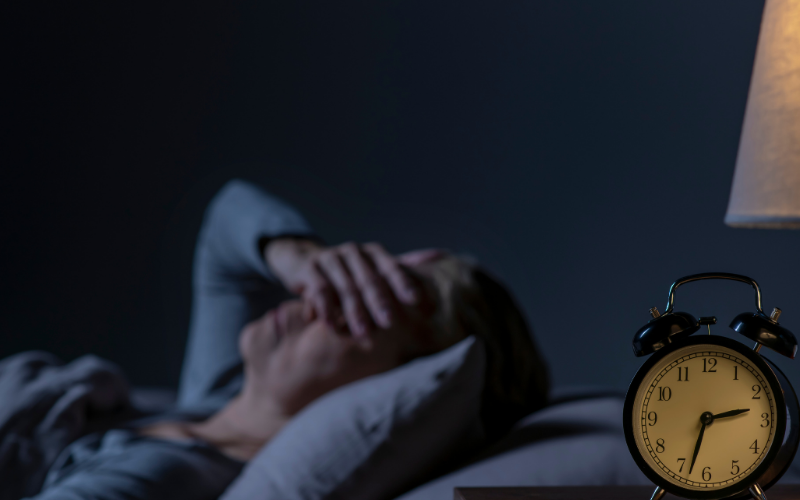
Sleep often changes as we get older. Many seniors naturally go to bed earlier, wake up earlier, and sleep more lightly than they did when they were younger. Those changes can be a normal part of aging. But regularly waking up exhausted, struggling to stay asleep, or feeling sleepy throughout the day can point to a sleep disorder that deserves attention.
Nearly half of adults 55 and older report trouble falling or staying asleep. Older adults still need about seven to nine hours of sleep a night, just like younger adults. When poor sleep becomes a regular pattern, it can affect everything from mood and memory to balance, alertness, and overall health.
Family caregivers are often the first to notice these changes. Knowing the most common sleep disorders among seniors, and the signs that distinguish them, can help families recognize when poor sleep is more than just a normal part of getting older and when it may be time to talk with a doctor.
Why Is Sleep Quality Important?
Sleep is when the body gets much of its repair work done. Tissues heal, the immune system supports recovery, and blood pressure naturally drops for several hours. For older adults, consistently poor sleep is associated with a higher risk of high blood pressure, heart disease, type 2 diabetes, and obesity. It can also make it harder for the body to fight off illness.
The brain needs that recovery time, too. During sleep, the brain processes information, helps consolidate new memories, and clears waste products that accumulate during the day. Ongoing poor sleep has been linked to cognitive decline and a higher risk of Alzheimer’s disease and other forms of dementia. Sleep also affects mood. Chronic sleep problems are associated with higher rates of depression and anxiety among older adults.
A senior who is drowsy, foggy, or confused is more likely to lose their balance or fall, particularly during a half-awake trip to the bathroom in the middle of the night. Some medications used to treat sleep problems can increase that risk, making it important to address the underlying cause rather than simply trying to make someone sleep.
What Are Common Sleep Disorders in Seniors?

Sleep disorders are not an unavoidable part of getting older, but several become more common after 60. These are the most common sleep disorders that can affect seniors:
1. Insomnia
Insomnia is a condition in which the person affected has trouble falling asleep, staying asleep, waking too early, or being unable to fall back asleep. It is one of the most common sleep problems among older adults.
The following may contribute to insomnia:
- Age-related changes: The body produces less melatonin, the hormone that helps regulate sleep, and the internal clock often shifts toward an earlier bedtime and wake time.
- Health conditions: Arthritis pain, heart disease, acid reflux, Parkinson’s disease, and Alzheimer’s disease can all interrupt sleep.
- Medications: Certain medications, including some antidepressants, decongestants, steroids, and diuretics, can interfere with sleep, particularly when taken later in the day.
- Emotional factors: Worry, grief, loneliness, and major life changes can make it difficult to settle down at night or get back to sleep after waking.
For some seniors, insomnia is not caused by one thing but by several of these factors working together.
2. Obstructive Sleep Apnea
Obstructive sleep apnea occurs when the airway repeatedly narrows or collapses during sleep. Breathing can stop for several seconds at a time, causing the person to partially wake up so they can breathe again. These interruptions may happen dozens of times an hour without the person fully realizing it.
Sleep apnea is common among older adults, yet many people who have it do not know it. A spouse or caregiver is often the first to notice the signs such as loud snoring followed by periods of silence, then gasping, choking, or snorting as breathing resumes. During the day, untreated sleep apnea can show up as excessive sleepiness, morning headaches, difficulty concentrating, or feeling tired despite getting enough time in bed.
Excess weight, heart failure, type 2 diabetes, and hypothyroidism can increase the risk. Left untreated, sleep apnea can contribute to high blood pressure, heart rhythm problems, and stroke. A sleep study can confirm the diagnosis, and many people can complete the initial evaluation with a home sleep test.
3. Restless Legs Syndrome
Restless legs syndrome (RLS) causes an uncomfortable, often irresistible urge to move the legs, usually in the evening or when a person has been sitting or lying still. People may describe the sensation as crawling, pulling, itching, throbbing, or aching. Moving the legs provides temporary relief, but the discomfort often returns as soon as they become still again, making it difficult to relax and fall asleep.
RLS occurs while a person is awake. It is different from periodic limb movement disorder, which causes involuntary leg movements during sleep. The two conditions can occur together, and many people with RLS also experience periodic limb movements at night.
Low iron levels can contribute to RLS, and certain medications may make symptoms worse, including some antidepressants, antihistamines, and anti-nausea drugs. Caffeine, alcohol, and nicotine can also aggravate symptoms. Lack of sleep can make RLS more difficult to manage, creating a frustrating cycle in which discomfort disrupts sleep and poor sleep makes the symptoms worse.
4. Other Sleep Problems to Watch For
A few other sleep-related issues are common among older adults. Some develop a significantly shifted body clock, becoming sleepy as early as 7 p.m. and waking for the day around 3 a.m. Frequent nighttime urination can also interrupt sleep and repeated trips through a dark house can increase the risk of falls.
Older adults living with dementia may experience sundowning, a pattern of increased confusion, restlessness, or agitation that often develops in the late afternoon or evening and can sometimes lead to nighttime wandering. Acting out dreams by kicking, punching, shouting, or making other movements can be a sign of REM sleep behavior disorder, which should be evaluated by a doctor.
When to Talk to a Doctor
Schedule a visit with your loved one’s healthcare provider if you notice:
- Loud snoring with pauses in breathing, gasping, or choking
- Daytime sleepiness even after a full night in bed
- Trouble falling or staying asleep several nights a week for more than a few weeks
- Acting out dreams or getting hurt in bed
- New confusion, agitation, or wandering at night
- Falls or near-falls during the night
How Are Sleep Disorders Treated?
Treatment depends on what is causing the sleep problem, so the best place to start is with a visit to your loved one’s doctor. Bring a complete list of medications, including over-the-counter products and supplements. Sometimes adjusting the timing or dose of a medication can improve sleep. If chronic pain is keeping your loved one awake, treating the underlying pain may help as well.
- Insomnia: Cognitive behavioral therapy for insomnia (CBT-I) is generally recommended as the first treatment, before sleeping pills. This short-term therapy helps retrain sleep habits and address the thoughts and behaviors that can keep someone awake. It can be effective for older adults.
- Sleep apnea: Sleep apnea is commonly treated with a CPAP machine, which uses gentle air pressure to keep the airway open during sleep. Some people may also benefit from a fitted oral appliance.
- Restless leg syndrome (RLS): For RLS, treatment may begin with checking iron levels and reviewing medications that could be making symptoms worse. Stretching, warm baths, regular physical activity, and prescription medication may also help when appropriate.
Be cautious with over-the-counter sleep aids. Many “PM” products contain diphenhydramine or doxylamine, medications that the American Geriatrics Society’s Beers Criteria generally recommends avoiding in older adults because of their potential to cause confusion, constipation, urinary retention, and falls. Talk with your loved one’s doctor before starting any sleep aid, including melatonin.
Daily Habits That Help
Small changes at home make a real difference:
- Keep the same bedtime and wake-up time every day, weekends included.
- Get outside or near a bright window in the morning and stay active during the day. Finish exercise at least three hours before bed.
- Keep naps short (20 to 30 minutes) and before mid-afternoon.
- Skip caffeine after lunch, limit alcohol in the evening, and avoid tobacco.
- Serve a lighter evening meal and cut back on fluids in the hour or two before bed, unless the doctor has advised otherwise.
- Keep the bedroom cool, dark, and quiet, with nightlights along the path to the bathroom.
- If your loved one can’t fall asleep after about 20 minutes, have them get up and do something calm in dim light, like reading or listening to quiet music, then return to bed when sleepy.
How Home Care from Assisting Hands Can Help
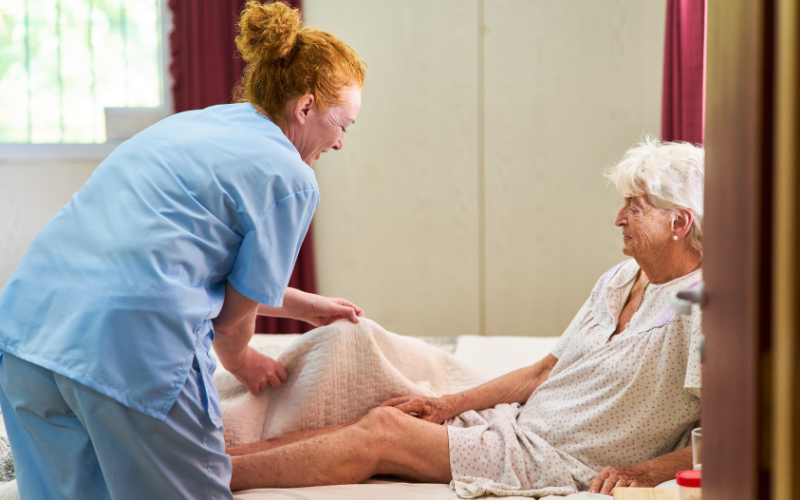
Most sleep problems happen when families aren’t in the room to see them. A caregiver who knows your loved one’s routine can spot changes early and help keep good habits on track. Our in-home care caregivers can:
- Keep a steady daily rhythm, from meal times and medication reminders to a calm evening wind-down
- Note snoring, restlessness, nighttime confusion, or daytime drowsiness so you can share it with the doctor
- Remind your loved one to use their CPAP or other prescribed equipment
- Walk with them to the bathroom at night and keep pathways clear as part of fall prevention
- Offer company and reassurance on nights when anxiety keeps them awake
When the hardest hours are after dark, overnight home care puts a caregiver in the home through the night, and live-in and 24-hour care covers around-the-clock needs. For seniors whose sleep is affected by memory loss, our Alzheimer’s and dementia care caregivers are trained to handle sundowning and nighttime wandering.
If your loved one is struggling to sleep, or you’re losing sleep worrying about them, Assisting Hands Home Care can help. Call us at (817) 592-8843 to schedule an in-home consultation for our senior home care services in Mansfield, Arlington, Burleson, Cleburne, DeSoto, Duncanville, Glenn Heights, Midlothian, Red Oak, Ovilla, Waxahachie, TX and the surrounding areas (See All Served Areas).


