
It often starts with something easy to overlook.
A mother who once cleaned her plate starts leaving food behind. A father who loved a good steak quietly switches to scrambled eggs, then toast, then coffee because chewing has become more trouble than it is worth. Families may assume their loved one simply has less of an appetite, chalking the change up to getting older.
Sometimes, that is the reason. But sometimes, the problem is not appetite at all, it is oral health.
A sore tooth, receding gums, poorly fitting dentures, missing teeth, or persistent dry mouth can make eating uncomfortable enough that a senior begins avoiding the foods they once enjoyed. Over time, that can mean fewer calories, less protein, and fewer nutrients the body needs to maintain strength, energy, and overall health.
That matters far beyond the dinner table. Good nutrition helps seniors maintain the strength, balance, and independence they need to manage everyday life at home. When oral health interferes with eating, it can quietly become another obstacle to aging safely and comfortably in the place.
Good Nutrition Begins with Oral Health
Chewing is not a minor part of eating. It is the first step of digestion, and it determines which foods a person can comfortably manage. Lean meats, raw vegetables, fresh fruit with the skin on, nuts, and whole grains all require healthy teeth, gums, and jaw strength. When chewing becomes painful or difficult, those foods can quietly disappear from the grocery list.
What replaces them is often softer, easier to eat, and less nutritious such as applesauce replacing an apple. A senior may still be eating regularly, but the foods they can tolerate may no longer provide enough protein, calories, fiber, vitamins, and minerals to maintain their health. Over time, that can contribute to muscle loss, weakness, and reduced resilience.
Saliva plays an important role, too. It moistens and softens food, helps carry flavor to the taste buds, and makes it easier to form and swallow each bite. When the mouth does not produce enough saliva, eating can become uncomfortable and frustrating. Bread feels dry and difficult to swallow. Meat becomes hard to manage. Even familiar foods can lose their appeal when they no longer taste the same. When eating stops being enjoyable, a senior may simply start eating less.
What Changes in an Aging Mouth
Older adults face a set of oral health issues that build up over a lifetime rather than appearing overnight:
- Gum disease: According to national survey data cited by the National Institute of Dental and Craniofacial Research, roughly three in five adults aged 65 and older have some form of periodontitis. Inflamed, receding gums make chewing painful and can loosen otherwise healthy teeth.
- Missing teeth: CDC data from 2015 to 2018 put complete tooth loss among adults 65 and older at about 13%, rising to nearly 18% among those 75 and up. Partial tooth loss is far more common, and even a few missing molars change what a person can comfortably manage.
- Dentures that no longer fit: Jawbone shape shifts over the years. A denture fitted eight years ago may now slip, rub, or pinch, which turns every meal into a negotiation.
- Dry mouth: Studies place dry mouth in roughly a third of adults over 65. Aging alone doesn’t cause it. The usual culprits are medications, and seniors often take several. Blood pressure drugs, diuretics, antidepressants, antihistamines, and drugs for overactive bladder all list dry mouth among their side effects.
- Untreated decay and mouth sores: Root cavities, thrush, and ulcers under a denture cause the kind of steady, low-grade pain people learn to live with instead of reporting.
The Nutrition Fallout – Why it Puts Independence at Risk
Research continues to show the connection between oral health, nutrition, and overall well-being in older adults. A 2025 systematic review of older adults with dry mouth found consistent associations between reduced saliva production and malnutrition, with impaired chewing, difficulty swallowing, and diminished taste appearing across the studies. A separate cohort study of independent older adults found higher rates of weight change among those with nine or fewer remaining teeth, difficulty chewing, or dry mouth.
For a family watching a parent age at home, those findings matter because poor nutrition can affect much more than weight. When a senior is not getting enough of the nutrients their body needs, the effects can show up in everyday life:
- Weight and muscle loss, which can lead to weakness and make everyday movements more difficult
- A greater risk of falls, as weaker legs and reduced balance make it harder to stay steady
- Slower healing after surgery, an injury, or an illness
- Less ability to fight infection, along with longer recovery times when illness occurs
- Fatigue and low mood, which can make a person less likely to walk, socialize, or take part in the activities that help them stay engaged
Another concern that often gets overlooked is the connection between oral hygiene and respiratory health. When the mouth is not cleaned regularly, harmful bacteria can build up. If saliva or food carrying those bacteria enters the lungs, it can contribute to aspiration pneumonia, a serious risk for frail older adults. Research has found that consistent daily oral care and regular professional dental care can help reduce this risk.
Staying at home safely requires strength, balance, energy, and the ability to recover when something goes wrong. Nutrition helps provide that foundation, but oral health can determine whether a senior is able to eat enough of the foods that support it. Taking care of the mouth is not just about protecting teeth. It can be an important part of helping an older adult maintain the health and independence needed to continue living at home.
Signs Worth Paying Attention To
Seniors do not always say when something is wrong with their mouth. Some do not want to be a bother, while others may not realize that the discomfort they are experiencing is connected to why they have stopped eating certain foods. Instead, the signs often show up in small changes at mealtimes or in everyday habits.
Watch for:
- Meals that take much longer than usual, or food being pushed around the plate rather than eaten
- A growing preference for soft or liquid foods, along with less interest in meat, raw vegetables, or fresh fruit
- Chewing on one side of the mouth, wincing while eating, or taking unusually small bites
- Removing dentures to eat, struggling to keep them in place, or gradually leaving them out altogether
- Persistent bad breath, bleeding gums, or swelling around the face, jaw, or mouth
- Frequent sipping of water, especially during meals, or complaints that food tastes bland or has lost its flavor
- Looser-fitting clothes or rings, which can be an early sign of weight loss before anyone notices a change on the scale
- Skipped dental appointments, particularly because Original Medicare generally does not cover routine dental care
None of these signs necessarily mean a senior has a serious dental problem. But when several appear together, especially alongside unexplained weight loss or a noticeable change in eating habits, it is worth finding out what is happening.
If two or three of these signs sound familiar, a dental appointment may be a more useful first step than reaching for a nutrition supplement. Finding and treating the underlying oral health problem may make it easier for a senior to eat comfortably and get the nutrition they need.
Practical Ways to Protect Both the Mouth and the Meal

Small, consistent habits can make a meaningful difference.
- Keep dental care on the calendar: Regular dental visits can catch tooth decay, gum disease, and other problems before they make eating difficult. They also give the dentist an opportunity to adjust or reline dentures that no longer fit properly. If a senior’s dentures slip, cause sore spots, or feel uncomfortable, ask the dentist about the fit rather than assuming it is simply part of getting older.
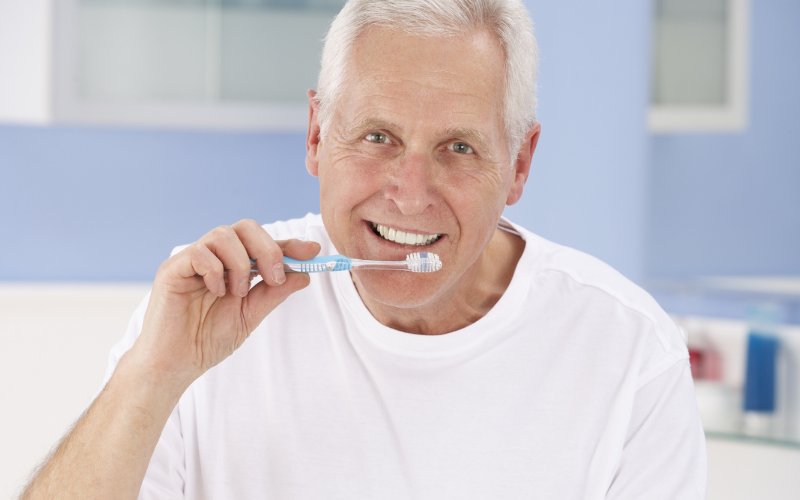
- Make daily mouth care part of the routine: Brushing twice a day with a soft-bristled or electric toothbrush, cleaning between the teeth, and cleaning dentures every night can help control the bacteria that build up in the mouth. Brushing the tongue can also help with oral hygiene and freshen the mouth. Seniors with arthritis, limited mobility, or difficulty gripping a toothbrush may need assistance. Providing that help can be an important part of maintaining both oral health and nutrition.
- Review medications when dry mouth becomes a problem: Many medications can contribute to dry mouth. If the problem began after starting a new prescription, ask the doctor or pharmacist whether the medication could be contributing and whether an alternative or adjustment is appropriate. Drinking water regularly, using saliva substitutes, or trying sugar-free lozenges may also help, depending on the person’s needs.
- Change the texture without sacrificing nutrition: Softer food does not have to mean less nutritious food. Shredded chicken, ground meat with gravy, eggs, Greek yogurt, cottage cheese, beans, oatmeal made with milk, protein-rich smoothies, well-cooked vegetables, and canned fruit can all be easier to chew while still providing important protein, calories, vitamins, and minerals. Sauces, gravies, broths, and other sources of moisture can also make dry foods easier to manage.
- Make meals social: Eating is about more than nutrition. Seniors are often more likely to eat well when meals are shared with family, friends, or a caregiver rather than eaten alone. A conversation at the table, a regular lunch with a neighbor, or simply having someone sit down for dinner can make meals more enjoyable and give a senior another reason to look forward to eating.
How In-Home Care Supports Mealtime and Oral Health
Much of what protects a senior’s nutrition happens through small, hands-on tasks throughout the day, tasks that can be difficult to keep up with from across town, between work shifts, or while managing everything else a family needs to handle.
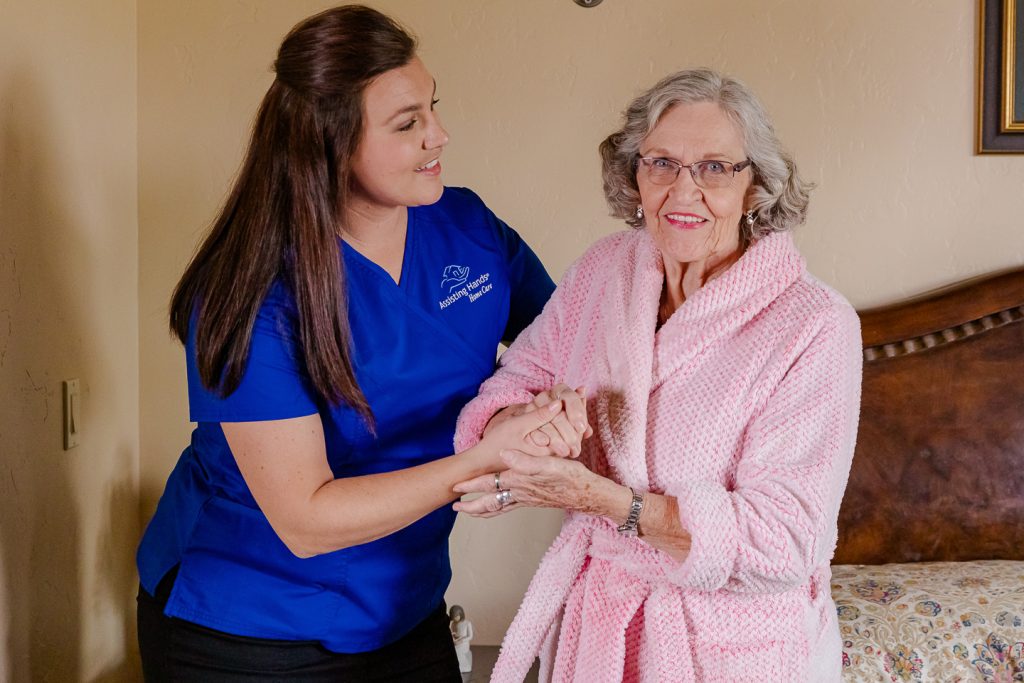
At Assisting Hands Home Care, our caregivers can incorporate these kinds of support into the normal rhythm of the day. Meal planning and preparation can be tailored to a loved one’s dietary needs, chewing ability, and preferences, with grocery shopping and kitchen cleanup included. Personal care may also include respectful assistance with brushing, flossing, and denture care. When driving is no longer an option, caregivers can provide transportation to dental and medical appointments. And sometimes, one of the most meaningful things they can offer is simply sitting down at the table. Having someone there can make mealtimes feel less like a chore and more like a shared part of the day.
Care begins with a free in-home assessment. We take the time to understand your loved one’s daily routine, needs, preferences, and challenges, then develop a care plan around the support that makes sense for them. That might mean a few hours of help each week or more comprehensive, around-the-clock care. Our caregivers are screened, bonded, insured, and trained in CPR and First Aid, and every care plan is supervised by a registered nurse.
If your loved one’s eating habits have changed, you do not have to figure out the reason or manage the next steps alone. Assisting Hands can help you identify where additional support may be needed and provide the practical, day-to-day assistance that helps your loved one continue eating well and living safely at home.
Compassionate Senior Home Care in Mansfield, TX
Oral health is easy to overlook when the focus is on helping a loved one eat well, but the two are closely connected. A sore tooth, ill-fitting denture, or dry mouth can gradually change what a senior is willing to eat, and those changes can eventually affect strength, energy, and independence. Paying attention to changes in eating habits, staying on top of dental care, and providing help with meals and daily routines can make it easier for an older adult to get the nutrition they need to remain safely at home.
When those everyday tasks become difficult for a family to manage alone, in-home care can provide the practical support that helps a senior continue eating well, maintaining daily routines, and enjoying life at home.
Learn more about our senior in-home care services, by calling Assisting Hands Home Care at (817) 592-8843 and scheduling a free in-home consultation.
We proudly serve families throughout our full home care service area, including Mansfield, Arlington, Burleson, Cleburne, DeSoto, Duncanville, Glenn Heights, Midlothian, Red Oak, Ovilla, Waxahachie, TX, along with the surrounding communities of Tarrant, Johnson, and Ellis counties.


