

Thinking abilities naturally change with age. Older adults may take longer to process and remember new information, and occasional memory lapses are often considered a normal part of aging. However, significant memory loss and ongoing cognitive difficulties may indicate more serious concerns that families should not overlook.
Aging often brings visible physical changes. Seniors may move more slowly, notice thinning or graying hair, and experience changes in skin elasticity. Alongside these outward signs, less noticeable changes also occur within the brain. Cognitive changes can develop over time and may range from mild forgetfulness to more substantial declines in memory and thinking abilities.
People age at different rates due to factors such as genetics, lifestyle, and environment. Some individuals remain physically active and mentally sharp well into their seventies, while others may experience earlier declines in cognitive function, muscle strength, balance, and overall health.
Memory Changes as People Age
Memory changes are among the most common effects of aging. Structural and neurological changes in the brain can affect how information is processed and retained. As a result, seniors may occasionally misplace belongings, forget routine tasks like paying a utility bill, or need more time to learn and recall new information. While these experiences can be normal, recognizing when memory changes become more pronounced is important for ensuring seniors receive the support they need.
Signs of mild memory loss like these are generally not a cause for concern. In fact, approximately 40% of adults aged 65 and older experience some degree of memory loss. In most cases, these changes are mild and do not interfere with the ability to manage daily activities independently.
The majority of older adults maintain strong memory function well into later life. Cognitive abilities do not typically decline rapidly or dramatically with age. In many cases, the aging brain continues to preserve the knowledge, experiences, and skills accumulated over decades.
When memory loss does occur, it is generally categorized by symptoms and severity into three levels: age-related memory impairment, mild cognitive impairment (MCI), and dementia. Mild cognitive changes may remain stable over time, but in some cases they can progress into more significant memory and cognitive challenges.
Normal Aging

Age-related memory impairment is an inevitable part of normal aging. Seniors with this condition experience some memory issues but they do not noticeably disrupt daily life. These individuals are able to complete tasks without issue and have no difficulty remembering new things.
Signs of harmless age-related memory loss include needing more time to recall names of classmates or forgetting the reason for entering a room. A medical condition is not responsible for these memory difficulties and therefore not treated as disease. Plus, it does not always progress to dementia.
Mild Cognitive Impairment
Seniors experiencing slightly more memory and thinking issues than peers of the same age suffer from mild cognitive impairment (MCI), which is in between normal age-related forgetfulness and the more severe dementia. People with MCI have a higher risk for developing Alzheimer’s or other types of dementia.
MCI symptoms are mild but do not interfere with everyday functioning. Though memory changes are noticeable, affected seniors are able to remain independent. This transitional phase lasts seven years on average but its duration and outcome depend on the underlying cause and senior’s health.
Underlying causes include a medication side effect, a stroke or other vascular disease, or a degenerative brain disease, like Alzheimer’s, in which case MCI is a precursor to dementia. Sleep deprivation, depression, anxiety, and other health problems can also contribute to reversible MCI.
Dementia
Dementia causes memory loss and cognitive changes that go beyond normal aging and significantly interfere with daily life. Unlike occasional forgetfulness, dementia symptoms are progressive and eventually make it difficult for seniors to maintain routines, complete familiar tasks, and function independently. Individuals affected by dementia often struggle to learn new information and may lose abilities they once performed with ease.
Family members and close friends are often the first to notice these changes, while the senior may not recognize the extent of their memory difficulties. Forgetfulness becomes more frequent and severe, and recognizing familiar faces, recalling names, or remembering recent events may become increasingly difficult.
Signs of Dementia That Should Not Be Ignored:
- Frequently forgetting important dates, events, or recently learned information
- Difficulty completing familiar tasks such as cooking, paying bills, or following routines
- Getting lost while driving or walking in familiar places
- Confusion about dates, seasons, or the passage of time
- Forgetting where they are or how they arrived at a location
- Misplacing items and being unable to retrace steps to find them
- Trouble planning, organizing, or managing finances
- Difficulty following or participating in conversations
- Withdrawal from hobbies, social activities, or family interactions
- Noticeable declines in grooming, hygiene, and self-care
- Changes in mood or personality, including increased fear, suspicion, irritability, anxiety, or confusion
One of the key differences between normal aging and dementia is the frequency and impact of memory problems. Occasionally forgetting the date and remembering it later is usually not concerning. Missing a bill once in a while can happen to anyone. However, consistently losing track of seasons, being unable to manage finances, forgetting familiar routes, or struggling with everyday responsibilities may indicate a more serious cognitive condition that warrants medical evaluation.
Memory Care from Assisting Hands
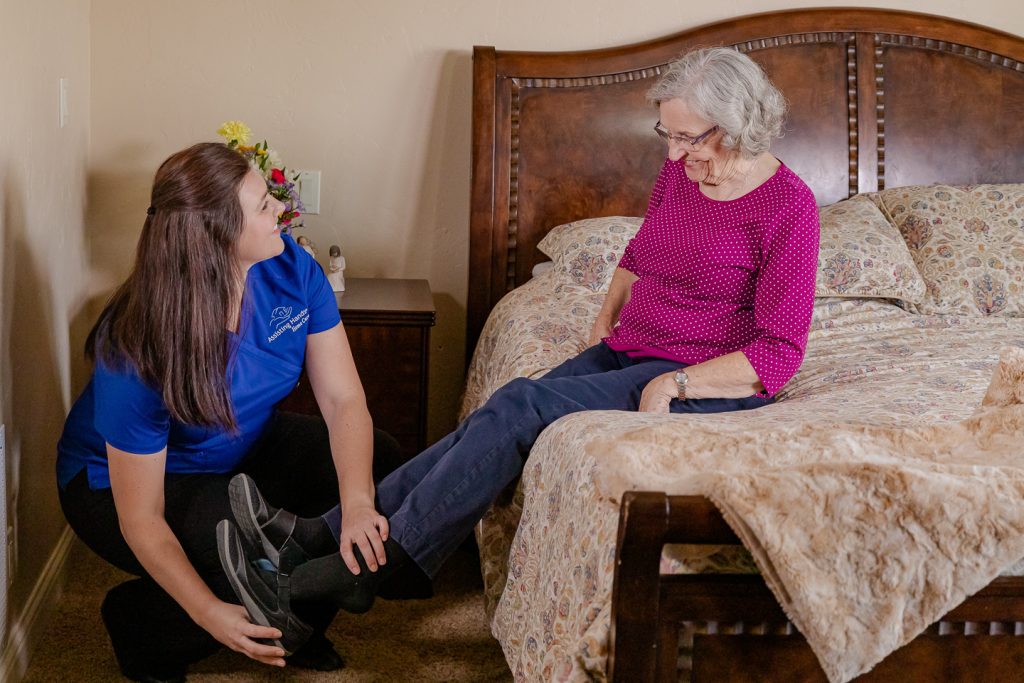
When an aging loved one begins showing early signs of memory loss, planning ahead can make a meaningful difference in preserving their comfort, safety, and quality of life. Assisting Hands Home Care provides compassionate memory care services in the familiarity of home, offering seniors the support they need as memory challenges evolve from mild cognitive changes to more advanced impairment.
Our specialized Alzheimer’s and dementia care services are designed to promote dignity, independence, and well-being while helping seniors remain safely at home. Experienced caregivers understand the behavioral and emotional changes that often accompany dementia, including agitation and confusion, and use compassionate approaches to provide reassurance and maintain a calm environment.
To further support safety and daily routines, caregivers help reduce the risk of wandering through attentive supervision and companionship. We also provide medication reminders, transportation and accompanying services for appointments and errands, and assistance with everyday activities that may become difficult over time.
Beyond practical support, our caregivers serve as trusted companions and advocates who help seniors stay engaged and feel heard. We assist with personal care needs such as bathing, toileting, grooming, and incontinence care while preparing nutritious meals that support overall health and wellness.
Whether your loved one is experiencing age-related memory changes or living with dementia, Assisting Hands Home Care provides dependable non-medical in-home care tailored to their unique needs.
Call at (817) 592-8843 to schedule a free in-home consultation to learn how quality memory care can help your loved one continue living safely and comfortably at home in Burleson, Cleburne, Granbury, Mansfield, Midlothian, Waxahachie, TX, and the surrounding areas.


