
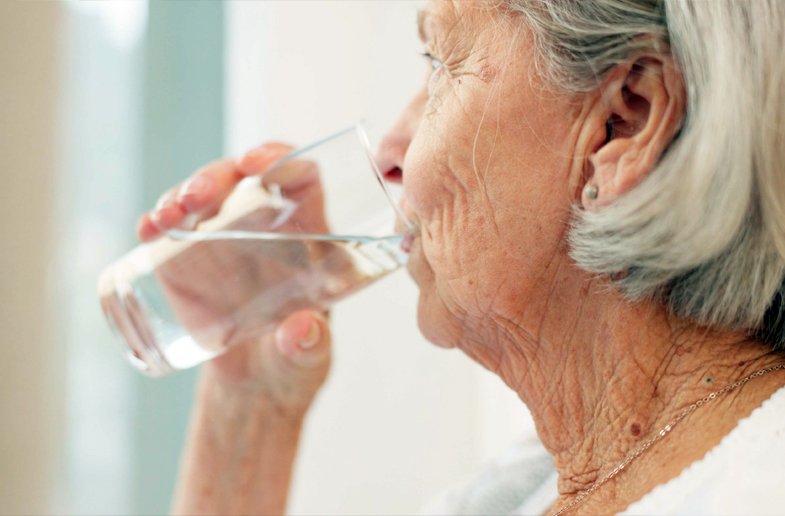
Could Dehydration Be the Reason Your Senior Loved One Isn’t Feeling Like Themselves?
When most people think about dehydration, they imagine a hot summer day or intense exercise. But could dehydration be the reason behind other symptoms you’re experiencing?
But for seniors, dehydration can happen quietly—and its effects can be surprisingly serious.
In fact, dehydration is one of the most common reasons older adults end up in the emergency room. What’s even more concerning is that the symptoms often look like something else entirely.
If your loved one suddenly seems confused, tired, dizzy, or just “off,” dehydration may be part of the problem.
Why Seniors Are More Vulnerable to Dehydration
As we age, our bodies naturally hold less water and our sense of thirst becomes weaker.
This means many seniors don’t feel thirsty even when they need fluids.
Other factors can increase the risk, including:
- Certain medications
- Mobility limitations
- Memory issues
- Chronic health conditions
- Fear of frequent bathroom trips
Because of these factors, dehydration can develop faster than many families realize.
Common Signs of Dehydration in Older Adults
The symptoms aren’t always obvious.
Watch for:
- Increased confusion
- Dizziness or lightheadedness
- Dry mouth
- Headaches
- Fatigue
- Dark-colored urine
- Muscle cramps
- Difficulty concentrating
In some cases, dehydration can even mimic symptoms of dementia or other cognitive conditions.
The Connection Between Dehydration and Falls
One of the biggest concerns is the increased risk of falling.
When the body lacks adequate fluids:
- Blood pressure can drop
- Balance may be affected
- Weakness can increase
- Dizziness becomes more common
For seniors, even a minor fall can result in serious injuries and lengthy recovery periods.
Easy Ways to Encourage Better Hydration
Helping a loved one stay hydrated doesn’t have to be complicated.
Try these simple strategies:
Keep Water Within Reach
Place water bottles or cups in the rooms where they spend the most time.
Offer Fluids Throughout the Day
Instead of encouraging large amounts at once, offer smaller drinks regularly.
Include Hydrating Foods
Foods with high water content can help, such as:
- Watermelon
- Cucumbers
- Strawberries
- Oranges
- Soups
Make Drinking More Enjoyable
Some seniors prefer:
- Flavored water
- Herbal tea
- Low-sugar electrolyte drinks
Finding options they enjoy can make a big difference.
When to Seek Medical Attention
Contact a healthcare provider if your loved one experiences:
- Severe confusion
- Extreme weakness
- Rapid heartbeat
- Inability to keep fluids down
- Signs of severe dehydration
Prompt treatment can prevent more serious complications.
How Assisting Hands Home Care Can Help
Staying hydrated may seem like a simple task, but for many seniors, it becomes increasingly difficult to manage consistently.
At Assisting Hands Home Care, our caregivers help clients maintain healthy daily routines by providing:
- Meal and snack preparation
- Regular hydration reminders
- Medication reminders
- Mobility assistance
- Companionship and wellness monitoring
Sometimes it’s the small daily habits that make the biggest difference in overall health and well-being.
Small Habits, Big Impact
Dehydration is often preventable, yet it continues to affect thousands of older adults every year.
By recognizing the warning signs early and encouraging healthy hydration habits, families can help their loved ones stay safer, healthier, and more independent.
And when extra support is needed, having a compassionate caregiver can provide peace of mind for everyone involved.
Concerned about a loved one’s health and safety at home? Contact Assisting Hands Home Care today to learn how our caregivers can help support healthy routines and independent living.

