
Signs Your Parent Needs Help at Home
When you visit an aging parent, it’s easy to focus on catching up and making sure they say they’re “doing fine.” But sometimes, the real story is in the little things you notice around the house. Dishes piling up, missed appointments, or a change in how they look or act can all be early warning signs that they need more help than they’re letting on.
Recognizing these signs early can prevent falls, hospitalizations, and caregiver burnout for family members who are already juggling work, kids, and their own lives.
Changes in personal hygiene
One of the first red flags is a noticeable change in hygiene or appearance. You might see:
-
Unwashed hair or strong body odor
-
Wearing the same clothes for days
-
Stains on clothing that go unchanged
-
Long or untrimmed nails
-
Not shaving like they used to
These changes can mean your parent is having trouble with balance in the shower, standing for long periods, or managing buttons, zippers, and other fine-motor tasks. Sometimes it’s not laziness—it’s fear of falling or simply not having the energy.
How a caregiver can help:
A caregiver can provide dignified assistance with bathing, dressing, grooming, and toileting, while helping your parent feel safe and in control. They can also help lay out clothing, set up the bathroom for safety, and give gentle reminders when it’s time to get ready for the day.
Unfinished household tasks
Look around the home. Is it a little more cluttered or disorganized than usual?
Common warning signs include:
-
Stacks of unopened mail
-
Overflowing trash or spoiled food in the fridge
-
Laundry piling up
-
Dishes left in the sink or around the house
-
Dust, dirt, or tripping hazards that weren’t there before
These may signal that regular household chores have become overwhelming or physically difficult.
How a caregiver can help:
Caregivers can step in with light housekeeping, meal cleanup, laundry, and simple organizing. Keeping the home clean and clutter-free isn’t just about appearances; it reduces fall risks and helps your parent feel calmer and more comfortable in their own space.
Missed medication or confusion with pills
Medication is a big one. If your parent is taking several prescriptions, it can be easy to:
-
Forget doses
-
Take too much or too little
-
Mix up morning and evening pills
-
Stop taking medication altogether
You may notice full pill bottles, duplicate prescriptions, or your parent saying, “I can’t remember if I took that today.” This can be dangerous, especially with heart medications, blood thinners, or diabetes meds.
How a caregiver can help:
While caregivers don’t administer medications, they can provide medication reminders, help follow the schedule set by the doctor, watch for side effects, and notify family if something seems off.
Changes in mood, memory, or behavior
If your parent seems “different,” pay attention. Changes might look like:
-
Increased forgetfulness or repeating the same questions
-
Confusion about time, dates, or familiar places
-
Irritability, anger, or sudden mood swings
-
Withdrawing from friends, activities, or church
-
Increased anxiety or sadness
These can be signs of depression, early dementia, or simply the emotional impact of living alone and feeling isolated.
How a caregiver can help:
A consistent caregiver offers companionship, conversation, and reassurance. They can play games, take walks, look through old photos, or simply sit and talk—helping your parent stay mentally and emotionally engaged while also keeping an eye on changes that might need medical attention.
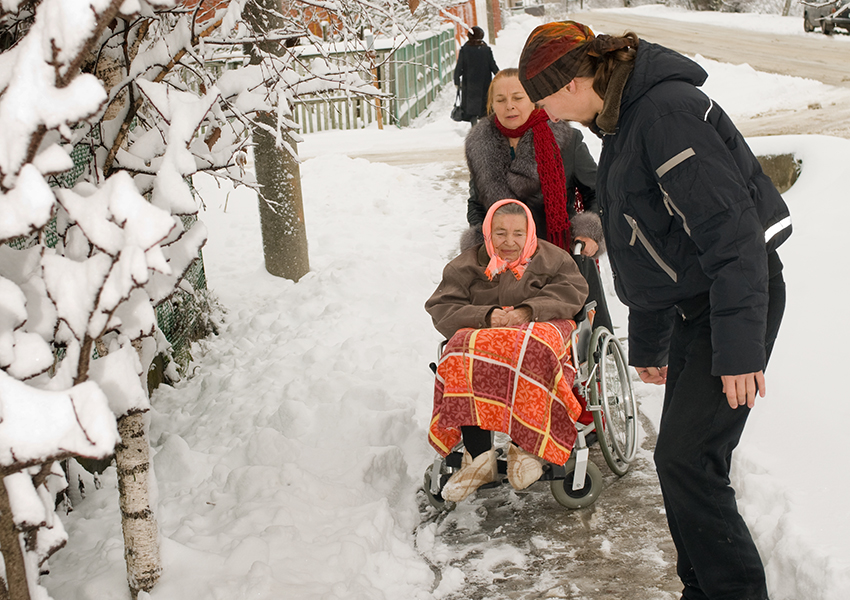
Trouble with walking or increased falls
Mobility changes are a major signal that more help is needed. Watch for:
-
Holding onto furniture or walls while walking
-
Shuffling feet instead of lifting them
-
Difficulty getting up from chairs or the bed
-
Unsteadiness on steps or outdoor surfaces
-
Bruises or unexplained marks that might be from falls
Many seniors won’t tell family when they fall because they’re afraid of “losing their independence.” Unfortunately, that silence can lead to serious injuries.
How a caregiver can help:
Caregivers can assist with safe transfers, walking with a steady arm to hold, and making sure your parent uses walkers, canes, and grab bars correctly. They can also help keep pathways clear, ensure good lighting, and watch for early signs of unsafe mobility.
Weight loss or poor nutrition
If your parent has lost weight without trying—or doesn’t seem to be eating well—there may be issues such as:
-
Forgetting to eat meals
-
Not having the energy to cook
-
Relying on snacks or sweets instead of balanced meals
-
Outdated or spoiled food in the kitchen
-
Difficulty using the stove, oven, or microwave safely
Good nutrition is essential for energy, healing, and preventing illness.
How a caregiver can help:
Caregivers can plan simple meals, do grocery shopping, prepare food, and sit with your parent while they eat. Mealtime can become something your loved one looks forward to, instead of a chore they avoid.
Missed appointments or unpaid bills
Another subtle sign is trouble with managing responsibilities that used to be routine:
-
Forgetting doctor appointments
-
Unpaid or duplicate bill payments
-
Confusion with bank statements or paperwork
-
More calls from utility or insurance companies
This can happen due to memory changes, vision problems, or simple overwhelm.
How a caregiver can help:
Caregivers can help organize calendars, provide reminders about appointments, and make sure transportation is set up. While finances stay in the family’s hands, a caregiver can help your parent stay on top of their schedule and avoid unnecessary stress.
Caregiver stress on the family
Sometimes the clearest sign your parent needs more help is how you feel.
You may be:
-
Constantly worrying about them when you’re not there
-
Getting calls at all hours of the day or night
-
Struggling to balance work, kids, and caregiving
-
Feeling exhausted, guilty, or burned out
You don’t have to do it all alone, and bringing in help doesn’t mean you’re failing your parent—it means you’re building a support team.
How Assisting Hands Home Care of Chattanooga can help
If you’re seeing one or more of these signs, it might be time to explore in-home support. At Assisting Hands Home Care of Chattanooga, we help seniors stay safe, comfortable, and independent at home, while giving families peace of mind.
Our caregivers can assist with:
-
Bathing, dressing, and grooming
-
Meal planning and preparation
-
Light housekeeping and laundry
-
Medication reminders
-
Transportation to appointments and errands
-
Companionship and activities
-
Respite care for family caregivers
We work with you to create a personalized care plan that fits your parent’s needs and your family’s schedule—whether you need a few hours a week or more consistent support.
Ready to talk about help at home?
If you’re starting to notice changes in your loved one, you don’t have to wait for a crisis.
Call Assisting Hands Home Care of Chattanooga today to schedule a free consultation. We’ll listen to your concerns, talk through what you’re seeing, and help you explore the best options to keep your parent safe and independent at home.

