
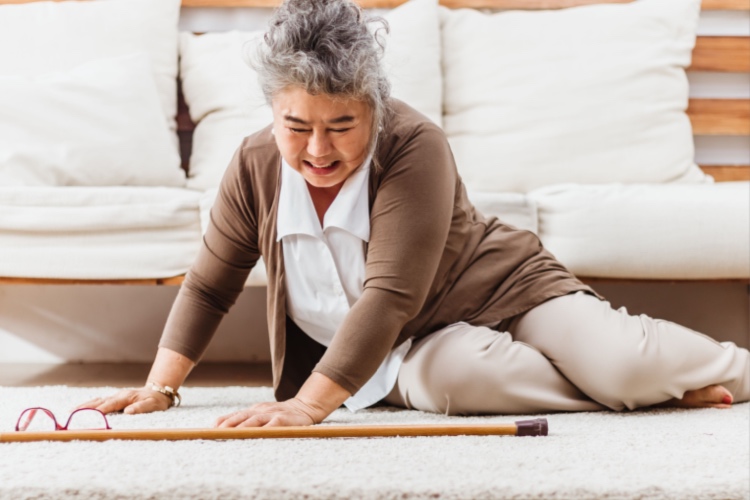
Why Do Seniors Lose Their Balance? Common Causes and How to Prevent Falls
As we get older, it’s normal to notice changes in strength, flexibility, and coordination. But if you or a loved one has started feeling unsteady while walking, it’s important not to ignore it. Losing balance isn’t just a part of aging—it can be a warning sign of an underlying health issue. It’s natural to wonder why do seniors lose their balance as these changes become more noticeable.
Falls are one of the leading causes of injury among older adults, and many of them can be prevented. Understanding why balance changes with age is the first step toward staying safe, healthy, and independent.
Why Does Balance Change as We Age?
Balance depends on several body systems working together, including your muscles, joints, eyesight, inner ear, and brain. As we age, these systems naturally become less efficient.
Several factors can contribute to balance problems, including:
- Muscle weakness
- Reduced flexibility
- Arthritis and joint pain
- Vision changes
- Inner ear disorders
- Side effects from medications
- Nerve damage
- Chronic conditions like diabetes or Parkinson’s disease
Often, it’s not just one issue but a combination of small changes that increase the risk of falling.
Signs Your Balance May Be Declining
Many people notice subtle changes long before they experience a fall.
Watch for these warning signs:
- Holding onto furniture while walking
- Feeling dizzy when standing up
- Difficulty climbing stairs
- Trouble walking on uneven ground
- Taking shorter or slower steps
- Feeling unsteady when turning around
- Fear of falling
If you notice these symptoms, it’s a good idea to discuss them with your healthcare provider before they lead to a serious injury.
Medications Can Affect Balance
Many commonly prescribed medications can increase the risk of dizziness or falls.
These may include:
- Blood pressure medications
- Sleep aids
- Anxiety medications
- Pain medications
- Certain antidepressants
Never stop taking medication without speaking with your doctor, but ask whether any prescriptions could be affecting your balance.
Simple Ways to Improve Balance
The good news is that balance often improves with small lifestyle changes.
Stay Physically Active
Regular movement helps maintain muscle strength and flexibility. Walking, swimming, chair exercises, and gentle stretching can all improve stability.
Wear Proper Footwear
Supportive, non-slip shoes provide better traction and reduce slipping hazards. Avoid loose slippers or walking in socks on hardwood floors.
Schedule Vision and Hearing Exams
Poor eyesight and hearing changes can make it harder to detect obstacles or maintain balance.
Remove Tripping Hazards
Simple home modifications can dramatically reduce the risk of falls.
Check your home for:
- Loose throw rugs
- Electrical cords across walkways
- Poor lighting
- Clutter on the floor
- Slippery bathroom surfaces
Installing grab bars in bathrooms and handrails on stairways can also improve safety.
Stay Hydrated
Even mild dehydration can cause dizziness and lightheadedness, especially during Chattanooga’s warm summer months. Drinking enough water every day helps your body function properly and may reduce the risk of falls.
When Balance Problems Become Serious
Occasional unsteadiness may not seem like a big concern, but recurring balance problems should never be ignored.
Seek medical attention if balance issues are accompanied by:
- Frequent falls
- Sudden dizziness
- Fainting
- Weakness on one side of the body
- Difficulty speaking
- Vision changes
These symptoms could indicate a more serious medical condition requiring immediate evaluation.
How Home Care Can Help Prevent Falls
For many older adults, having an extra set of eyes around the house provides peace of mind for both seniors and their families.
Professional caregivers can help by:
- Assisting with safe walking around the home
- Providing support during bathing and dressing
- Helping with meal preparation and hydration
- Encouraging regular movement and exercise
- Keeping walkways free of clutter
- Monitoring for changes in mobility or health
- Providing transportation to medical appointments
Even a few hours of companionship each week can help reduce fall risks while allowing seniors to continue living independently.
Helping Chattanooga Seniors Stay Safe at Home
At Assisting Hands Home Care, we believe every senior deserves to feel confident and secure in their own home. Our compassionate caregivers provide personalized support that helps older adults remain independent while reducing the risk of falls and injuries.
Whether your loved one needs occasional companionship, help with daily activities, or more comprehensive in-home care, we’re here to help families throughout the Chattanooga area.
Don’t Wait Until a Fall Happens
Balance problems often develop gradually, making them easy to overlook. Addressing them early can prevent serious injuries and help seniors maintain the independence they value.
If someone you love has become unsteady on their feet, now is the perfect time to explore how a little extra support can make a big difference.
Contact Assisting Hands Home Care today to learn how our compassionate caregivers help Chattanooga seniors stay safe, active, and independent in the comfort of home.

