
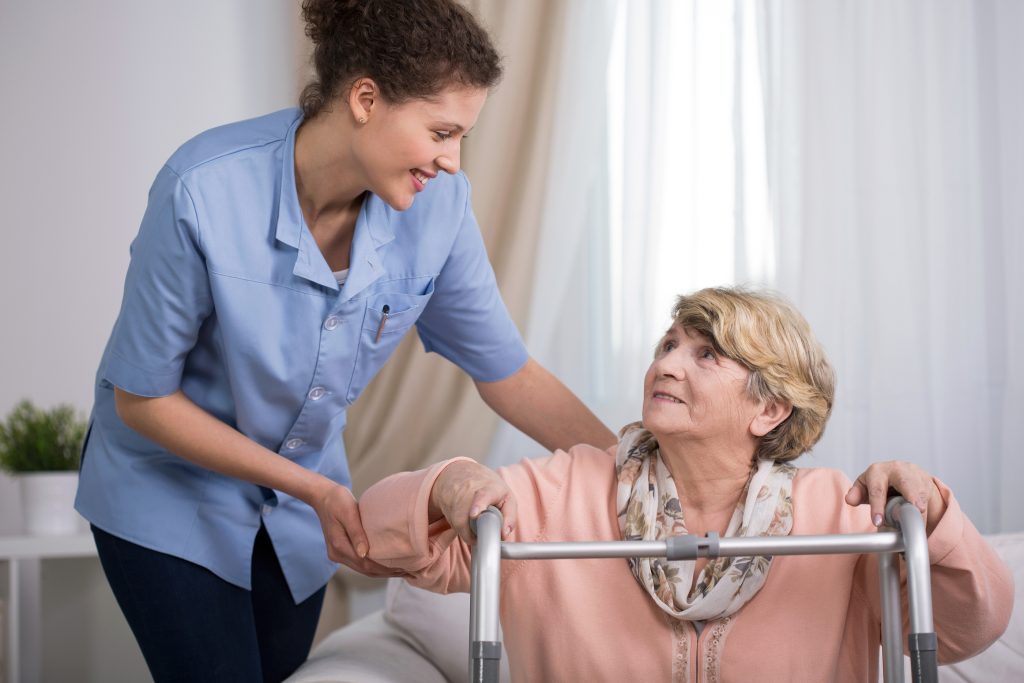
When an older family member has a health problem or goes to the hospital, their journey doesn’t end when they leave. One of the most dangerous times for an older person is when they leave the hospital and go home. This is where transitional services come in handy, offering families support that they may not realize they need until they are in the middle of a crisis.
The Difference Between Home and Hospital
The truth is that many seniors aren’t ready to live alone at home right after they leave the hospital. They might still be weak, unsure how to follow their care instructions, or have trouble moving around. Without the right help during this important time, the chance of having to go back to the hospital goes up a lot. In fact, studies show that almost one in five Medicare patients goes back to the hospital within 30 days of being discharged.
What Makes This Time So Hard?
There are a number of things that make returning home after a hospital stay challenging. Adding new prescriptions to an existing routine makes it harder to keep track of medications. Seniors may have trouble remembering which pills to take when, or they may have side effects that they don’t realize are impacting their overall health.
After being released, they may also have lingering physical problems. For instance, a senior who fell and broke their hip may still need help with bathing, getting dressed, or making meals. Not only that, but their house might not be set up to handle their new mobility problems, which could make things less safe than they were before.
Follow-up care can also be missed. Making and keeping appointments with different specialists takes a lot of planning, which can be too much for both seniors and their family caregivers, especially since everyone is still dealing with the stress of the first health crisis.
How Transitional Services Can Help
Transitional services offer professional help that is specifically meant for this time of change. Healthcare professionals usually check in on these services on a regular basis to keep an eye on recovery progress, make sure medications are being taken correctly, and look for signs of complications.
Many programs help seniors with daily tasks that they may have trouble with for a short time, which helps them stay independent and get stronger. This could include help with personal care, cooking meals, or light cleaning—things that make it easier for the person to heal.
Those who offer transitional services can also serve as a main point of contact for the medical team, as well as family members and other healthcare providers. This includes handling communications, setting up follow-up appointments, obtaining the appropriate medical equipment, and much more to ensure that nothing is missing during this crucial time.
Offering Families Peace of Mind
Simply put, transitional services give families peace of mind, as many are trying to balance work, their own homes, and worry about an aging parent. With the proper care in place, families don’t need to worry about whether their loved one is taking their medications correctly, eating well, or getting to their appointments.
Transitional services are the key to success when returning home after a hospital stay, offering well-rounded support by looking at the whole recovery process and helping seniors regain their independence and confidence while keeping families in the loop and involved.
Sources:
https://pmc.ncbi.nlm.nih.gov/articles/PMC9597142/
https://www.ncoa.org/article/tips-for-recovering-after-being-hospitalized-with-acute-illness/
If you or an aging loved one are considering transitional services in Greenland, NH, please contact the caring staff at Assisting Hands Home Care – Seacoast NH today! 603-824-8200
Assisting Hands Home Care – Seacoast NH provides exceptional home care in Portsmouth, Rye, New Castle, North Hampton, Hampton, Stratham, Exeter, Durham, Dover, Seabrook, Greenland, Rochester, Hampton Falls and surrounding areas.


