
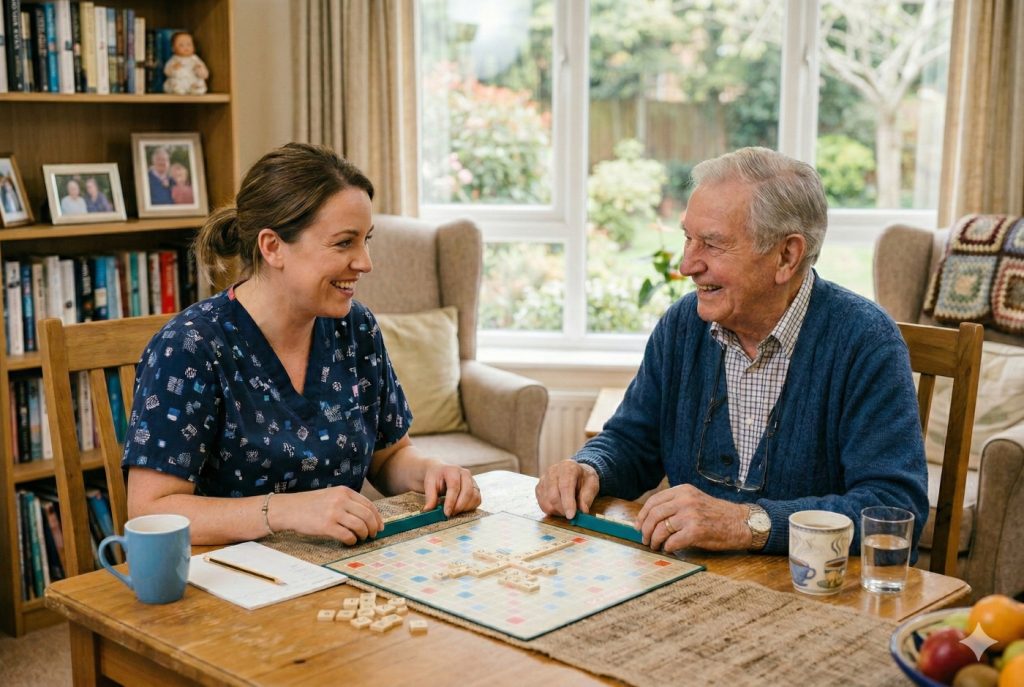
Daily life can change quietly as people age. Activities that once filled the day may become less frequent, and social interaction can slowly fade. This shift often has a deeper impact than families expect. In-home companion care plays an important role in supporting emotional well-being, daily engagement, and a sense of connection for seniors who wish to remain in their own homes.
Companionship is not about supervision or medical tasks. It is about presence, conversation, and shared moments that bring structure and comfort to each day. For many seniors, having someone to spend time with helps restore routine and purpose while easing feelings of isolation.
Understanding the Role of Companionship in Aging
Social connection remains meaningful at every stage of life. For older adults, regular interaction can support emotional balance, motivation, and overall quality of life. Without consistent engagement, seniors may withdraw, lose interest in daily activities, or feel disconnected from the world around them.
Companion care at home focuses on these emotional and social needs. It provides seniors with someone who is there to listen, talk, and share time together. This presence helps fill gaps that may appear after retirement, the loss of a spouse, or reduced mobility.
Companionship does not require structured activities or schedules. Often, it is the simple, everyday interactions that make the greatest difference.
How In-Home Companion Care Supports Daily Engagement
In-home companion care fits naturally into daily routines. Companions support seniors in ways that feel familiar and comfortable, without pressure or expectations. Time is spent based on the senior’s interests, energy level, and preferences.
This support helps bring rhythm back into the day. Simple activities such as sharing meals, discussing current events, or sitting together during quiet moments help reduce loneliness. Companions also encourage participation in hobbies or light activities that seniors may have stopped doing on their own.
By maintaining regular interaction, companion care helps seniors stay mentally and emotionally engaged within their home environment.
Emotional Benefits of Companion Care at Home
Loneliness can affect emotional health in ways that are not always visible. Seniors may feel sadness, anxiety, or lack motivation when days feel repetitive or quiet. Companion care at home helps address these feelings through consistent human connection.
Having someone present creates a sense of reassurance. Seniors know they are not alone, even during ordinary moments. This presence often leads to improved mood and a greater sense of security at home.
Trust builds over time as companionship becomes familiar. Seniors often feel more comfortable sharing thoughts, memories, and concerns, which supports emotional expression and well-being.
Supporting Daily Routines Without Taking Over
Companion care is not about replacing independence. Instead, it supports daily routines while allowing seniors to remain in control of their day. Companions encourage participation rather than directing activities.
This approach helps seniors maintain confidence. They continue making decisions about how they spend their time, what they eat, and which activities they enjoy. Companions are there to support, not manage.
In-home companion care may include gentle encouragement to stay active, reminders about daily routines, or simply being present during regular activities. These small supports help maintain structure without disrupting independence.
Common ways companion care supports daily life include:
- Conversation and shared time to reduce feelings of isolation
- Support with hobbies, reading, or light activities
- Accompaniment during meals to encourage routine
- Gentle reminders that support daily structure
- Emotional reassurance through consistent presence
These interactions create meaningful moments throughout the day.
The Impact of Companionship on Cognitive and Emotional Health
Staying socially engaged helps keep the mind active. Conversation, shared activities, and routine interaction stimulate memory and attention. Even casual discussion can help seniors feel mentally connected and alert.
Emotional health also benefits from consistent companionship. Seniors who feel supported often experience less anxiety and greater contentment. Having someone to share daily experiences with helps days feel purposeful rather than empty.
While companion care does not replace family relationships, it adds valuable support between visits and calls. This continuity helps prevent long periods of isolation.
Peace of Mind for Families
Families often worry about loved ones who spend long hours alone. Concerns may include loneliness, lack of engagement, or emotional withdrawal. Companion care at home helps ease these concerns by ensuring regular interaction and observation.
Knowing that a trusted companion is spending time with a loved one provides reassurance. Families can feel confident that their loved one has social support and someone to notice changes in mood or behavior.
Assisting Hands East Charlotte works with families to create companion care plans that reflect each senior’s personality and preferences. Clear communication helps families stay connected without feeling responsible for providing all social interaction themselves.
Building Trust Through Consistent Care
Consistency matters in companion care. Seeing familiar faces helps seniors feel comfortable and at ease. Over time, companionship becomes a natural part of daily life rather than a scheduled service.
This trust allows seniors to relax and be themselves. Companions learn preferences, routines, and interests, which strengthens connection and comfort. Familiarity supports emotional stability and reduces resistance to accepting help.
Care plans can be adjusted as needs change, ensuring companionship remains appropriate and supportive without disrupting routine.
Staying Connected While Living at Home
Home remains a place of comfort and identity. Companion care supports seniors in staying connected to their environment rather than feeling isolated within it. Shared activities and conversation help seniors remain engaged with their surroundings.
Whether it is discussing memories, enjoying favorite pastimes, or simply having company during quiet moments, companion care enriches daily life without overwhelming it.
Assisting Hands East Charlotte provides in-home companion care focused on connection, respect, and consistency. Care is designed to fit naturally into daily routines while supporting emotional well-being.
Why Companion Care Remains Central to Quality Home Care
Physical needs often receive the most attention as people age, but emotional needs are just as meaningful. Companion care at home addresses this often-overlooked aspect of well-being by offering presence, connection, and routine.
With thoughtful companionship, seniors can continue living at home while feeling supported, valued, and engaged. Daily life becomes less about passing time and more about shared moments.
Assisting Hands East Charlotte remains committed to supporting seniors through compassionate companion care that enriches daily life and supports emotional comfort at home.
If you or an aging loved one are considering in-home companion care in Matthews, NC, contact the professional home care team at Assisting Hands East Charlotte. Call today: (704) 719-3133.