

Providing care for a loved one is never simple, but doing so from miles away adds an entirely new layer of complexity. Long-distance caregiving often means balancing your own daily responsibilities while coordinating support, staying informed, and ensuring your loved one’s needs are met from afar. It can feel overwhelming at times, especially when you’re not physically present to step in when needed.
The good news is that with the right strategies, tools, and support systems in place, long-distance caregiving can be both manageable and meaningful. By staying organized, maintaining clear communication, and knowing when to seek help, you can play an active and supportive role in your loved one’s care, no matter the distance. In this blog, we’ll explore the best tips to help you navigate long-distance caregiving with confidence and peace of mind.
How Long-Distance Care Can Help

While long-distance caregiving can feel challenging, it also offers meaningful ways to support your loved one without being physically present every day. With the right approach, you can play an active role in their well-being, provide emotional reassurance, and ensure they have the care and resources they need to thrive.
One of the most impactful ways long-distance care helps is by creating structure and oversight. By coordinating appointments, managing medications, and staying in regular contact, you help maintain consistency in your loved one’s daily routine. Even from afar, your involvement can prevent small concerns from becoming larger issues.
Emotional support is just as important. Regular phone calls, video chats, and messages help reduce feelings of loneliness and isolation. Knowing that someone is checking in and genuinely cares can greatly improve your loved one’s mental and emotional well-being.
Long-distance caregiving also encourages the development of a reliable local support system. By arranging in-home care services, connecting with neighbors, or working with healthcare providers, you ensure your loved one has hands-on assistance when needed. This team-based approach allows you to share responsibilities while still staying informed and involved in decision-making.
Additionally, long-distance care can bring peace of mind. With tools like remote monitoring, medication reminders, and emergency plans in place, you can feel more confident that your loved one is safe, even when you can’t be there in person.
Ultimately, long-distance caregiving is about staying connected, informed, and proactive. While miles may separate you, your support can still make a powerful difference in your loved one’s quality of life.
Tips for Long-Distance Caregiving
Successfully managing care from a distance requires thoughtful planning, clear communication, and the right support systems. While every situation is unique, there are proven strategies that can help you stay organized, involved, and confident in the care your loved one receives. The following tips are designed to make long-distance caregiving more manageable while ensuring your loved one remains safe, supported, and connected.
1. Build a Strong Communication Plan
Clear and consistent communication is the foundation of successful long-distance caregiving. Without the ability to check in physically, staying connected through regular conversations becomes essential for understanding your loved one’s needs and well-being. Establishing a routine, whether it’s daily phone calls or weekly video chats, helps create a sense of stability and ensures nothing important slips through the cracks.
Technology can make this process much easier. Video calling platforms, messaging apps, and shared calendars allow you to stay involved in appointments, medication schedules, and daily activities. These tools also make it easier to quickly share updates or address concerns in real time, even when multiple people are involved in caregiving.
It’s equally important to coordinate communication with everyone on your loved one’s care team. This may include family members, neighbors, or professional caregivers. Setting clear expectations about who provides updates and how often can prevent confusion and keep everyone informed. A well-organized communication plan not only improves care but also gives you greater peace of mind, knowing you’re always in the loop.
2. Get Organized with Important Information
Staying organized is essential when you’re caregiving from a distance. Having quick access to accurate, up-to-date information allows you to respond more effectively to changes in your loved one’s health or daily needs. Creating a centralized document, whether digital or physical, can help you keep track of important details like medical history, current medications, insurance information, and key contacts.
Be sure to maintain a comprehensive list of healthcare providers, including doctors, specialists, pharmacies, and emergency contacts. This ensures that if a situation arises, you or anyone assisting locally can act quickly without scrambling to find critical information. Sharing this document with trusted family members or caregivers also helps keep everyone aligned and prepared.
Digital tools and caregiving apps can further simplify organization by providing real-time updates, medication reminders, and secure ways to store and share information. These tools can help you stay informed and involved, even from miles away. By keeping everything in one accessible place, you reduce stress, improve coordination, and make it easier to provide consistent, reliable support.
3. Create a Local Support Network

When you’re caring for a loved one from afar, having trusted people nearby is invaluable. A strong local support network ensures that someone can step in when immediate, in-person help is needed. Start by identifying friends, neighbors, or nearby relatives who are willing to check in occasionally, assist with small tasks, or be a point of contact in case of an emergency.
It’s also important to build relationships with healthcare providers and local community resources. Staying connected with doctors, pharmacists, and senior service organizations can help you stay informed about your loved one’s health and access additional support when needed. Many communities offer programs such as meal delivery, transportation services, and wellness checks that can make daily life easier and safer.
For more consistent, hands-on assistance, consider hiring professional in-home care services. Caregivers can help with daily activities, provide companionship, and offer an extra layer of supervision and support. By creating a reliable team on the ground, you can feel more confident that your loved one is well cared for while still remaining actively involved in their care from a distance.
4. Plan for Emergencies
Emergencies can happen at any time, and when you’re providing care from a distance, being prepared is especially important. Having a clear, well-communicated plan in place ensures that everyone involved knows exactly what to do if a situation arises. Outline steps for different scenarios such as medical emergencies, falls, or sudden illness and make sure your loved one, local contacts, and caregivers are all familiar with the plan.
It’s also essential to have important legal documents organized and accessible. This includes items like power of attorney, healthcare directives, and any relevant insurance information. These documents allow you or a trusted individual to make critical decisions quickly if your loved one is unable to do so.
Finally, keep a list of emergency contacts easily available and up to date. This should include family members, neighbors, healthcare providers, and nearby hospitals or urgent care centers. Sharing this information with everyone in your loved one’s support network helps ensure a fast and coordinated response. Taking these proactive steps can provide reassurance and peace of mind, knowing you’re prepared for the unexpected, even from afar.
5. Leverage Technology for Peace of Mind
Technology can be a game changer for long-distance caregiving, helping you stay informed and connected while providing your loved one with added safety and independence. Medical alert systems and remote monitoring tools allow you to track your loved one’s well-being in real time, alerting you and emergency contacts if something goes wrong. These tools provide reassurance that help is just a button press, or a notification away.
Medication management is another area where technology can make a big difference. Automated reminders, smart pill dispensers, and delivery services help ensure your loved one takes the right medications at the right time, reducing the risk of missed or incorrect doses.
Home security and smart home devices also enhance safety and convenience. Motion sensors, door alerts, and smart lighting can help prevent accidents, while video doorbells and security cameras allow you to check in visually when needed. By leveraging these technologies, you can provide a higher level of care from afar, maintain peace of mind, and empower your loved one to live more safely and independently.
6. Schedule Regular Visits

Even with strong communication and local support, nothing fully replaces being there in person. Regular visits allow you to assess your loved one’s living conditions, daily routines, and overall well-being firsthand. Observing their environment can help you identify safety hazards, signs of declining health, or areas where additional support may be needed.
Visits are also an opportunity to attend medical appointments, coordinate care with healthcare providers, and discuss updates with local caregivers. These face-to-face interactions strengthen relationships, build trust, and give your loved one reassurance that they are supported.
Each trip is a chance to re-evaluate and adjust your care plan. Whether it’s updating medication schedules, arranging additional in-home services, or modifying daily routines, staying proactive ensures your loved one receives the care they need while allowing you to stay informed and involved despite the distance.
7. Support Your Loved One’s Independence
Maintaining independence is key to your loved one’s happiness and quality of life, even from a distance. Encouraging consistent routines and safe daily habits can help them feel confident and capable in their everyday activities. Simple steps, like setting reminders for meals, exercise, or hydration, make a big difference in promoting self-sufficiency.
Home modifications can also enhance safety and accessibility. Adding grab bars, improving lighting, rearranging furniture to prevent tripping hazards, or installing ramps can allow your loved one to move more freely and safely within their home. These changes not only reduce the risk of accidents but also support independence and peace of mind.
Social engagement is another important component. Encourage participation in community activities, local clubs, or virtual groups to help combat loneliness and maintain mental and emotional well-being. By supporting independence through routines, safety measures, and social connection, you empower your loved one to live a fuller, more active life while knowing you’re there to provide guidance and support from afar.
8. Take Care of Yourself
Long-distance caregiving can be emotionally and mentally demanding. It’s normal to feel stress, guilt, or worry when you’re not able to be physically present, and acknowledging these feelings is an important first step toward managing them. Recognizing the emotional challenges allows you to approach caregiving more calmly and effectively.
Setting realistic expectations and boundaries is essential. You can’t do everything, and trying to do so can lead to burnout. Focus on what you can control such as communication, coordination, and planning while relying on your local support network for hands-on care.
Don’t hesitate to seek support for yourself. Caregiver groups, online forums, and professional counseling can provide guidance, encouragement, and a sense of community. Taking care of your own well-being not only helps you stay resilient but also ensures you’re able to provide the best support possible for your loved one, even from a distance.
9. Know When to Ask for Help
One of the most important skills in long-distance caregiving is recognizing when you or your loved one need extra support. Signs that additional help may be necessary include increased difficulty with daily activities, changes in mood or behavior, frequent health issues, or safety concerns in the home. Paying attention to these signals early can prevent small problems from becoming serious challenges.
Professional caregiving services can provide reliable, hands-on support when you cannot be there in person. From personal care, assisting with bathing, dressing, and mobility, to companion care that provides social interaction and emotional support, trained caregivers help maintain your loved one’s safety, comfort, and quality of life.
Understanding the benefits of these services can make it easier to make decisions about care. Companion care keeps your loved one engaged and reduces feelings of isolation, while personal care services address daily living tasks that may become more difficult over time. By knowing when to ask for help and leveraging professional resources, you ensure your loved one receives consistent care while giving yourself the peace of mind that comes from knowing they are supported.
Senior Home Care from Assisting Hands Home Care
Long-distance caregiving comes with unique challenges, but with careful planning, clear communication, and the right support systems, you can make a meaningful difference in your loved one’s life, even from miles away. By staying organized, leveraging technology, building a local support network, and knowing when to ask for help, you can ensure their safety, well-being, and independence while maintaining peace of mind for yourself.
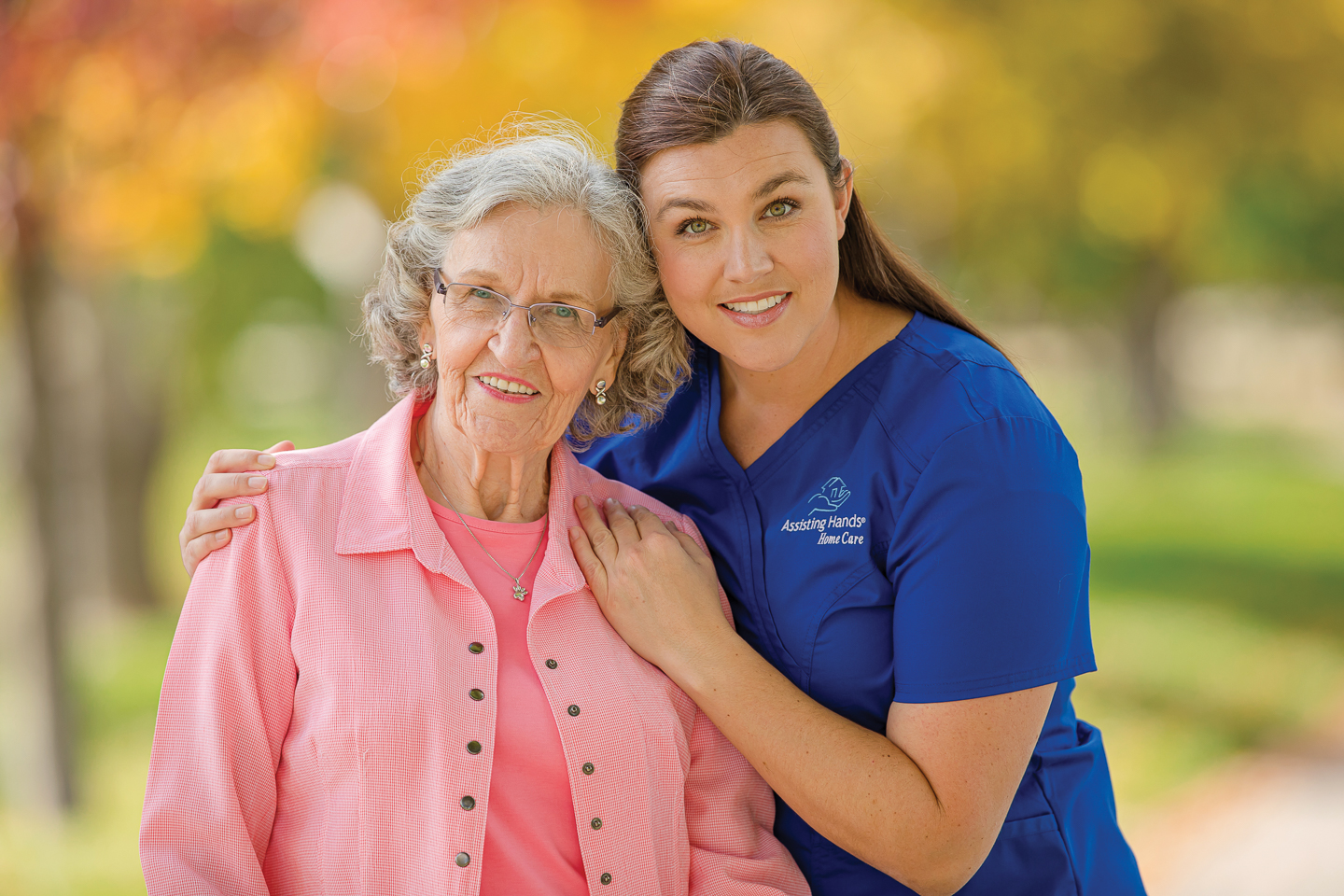
If you’re looking for professional support to supplement your caregiving efforts, Assisting Hands Home Care offers compassionate, personalized senior home care services. From companionship and personal care to assistance with daily activities, our trained caregivers provide reliable, hands-on help that keeps your loved one safe and comfortable in the familiarity of home.
Call Assisting Hands Home Care at (847) 448-0844 for more about how our senior home care services can help you provide long distance care for loved ones in Schaumburg, Hoffman Estates, Palatine, Elk Grove Village, Inverness, Rolling Meadows, Des Plaines, IL and the surrounding areas.


