
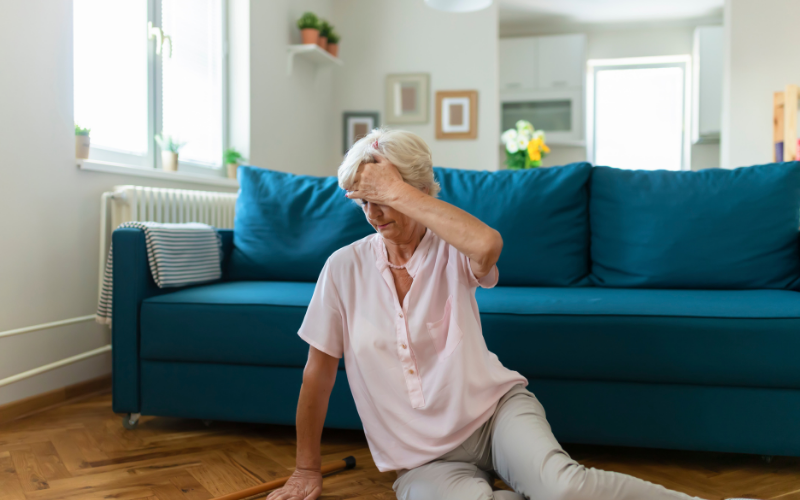
Falls are one of the most frequent causes of injury among older adults, and responding quickly can make all the difference in preserving a senior’s mobility, confidence, and overall well-being. When a fall occurs, caregivers should take immediate, thoughtful action to assess the situation and prevent further harm.
According to the Centers for Disease Control and Prevention, one in four seniors, over 14 million adults, experience a fall each year. For adults 65 and older, these incidents can result in anything from minor injuries to life-threatening complications. Although falls are common and costly, the good news is that many are preventable with the right awareness and precautions.
Why is it Important to Act Quickly after a Fall?
A fall can result in serious injuries, including head trauma, fractures, and internal bleeding. Signs of a concussion, such as confusion, dizziness, or blurred vision, require immediate medical attention. Fractures or suspected internal bleeding also demand prompt evaluation and diagnostic imaging, such as X-rays, to determine the extent of the injury.
Delaying care can set off a rapid cycle of decline. An injured senior may become less mobile, which can quickly lead to muscle weakness and a reduced ability to perform daily activities independently.
Head injuries can also impair cognitive function, potentially accelerating cognitive decline or triggering dementia-like symptoms. Extended bedrest after a fall increases the risk of complications such as pressure sores, pneumonia, and dehydration. In addition to the physical impact, a fall often erodes a senior’s confidence, making them more fearful of moving and, unfortunately, more prone to falling again.
What Should Caregivers Check Immediately after a Fall?
1. Seek Medical Care
The first moments after a fall are the most critical. Caregivers must remain calm, soothe the senior and assess the situation. If the older person complains of dizziness or severe pain or seems confused, call 911 right away. Seek medical help even when unsure of the extent of the senior’s injuries.
Upon suspecting a serious injury, such as a back, head, or neck injury, do not attempt to move the aging person. If the senior has lost consciousness or stopped breathing, perform CPR (the caregiver must be trained in CPR to perform this step).
2. Check for Minor Injuries
If no severe injury is present, examine the senior from head to toe, looking for bruises, cuts, bleeding, or swelling. Ask them to point to any areas that feel painful. Apply ice packs for 10 minutes at a time to minor injuries, then bandage and clean those areas.
3. Help Them Stand or Sit
The older adult may communicate they are ready to stand up. Help them get on their feet by first asking them to roll onto their side, pause, and push up onto their hands and knees. Bring a chair to the senior so they can use it to prop themselves up.
Instruct the older adult to push themselves up into a half-lunge, while still holding onto the sturdy chair, then stand up. If they are unable to stand comfortably, ask them to seat themselves on the chair and catch their breath. Caregivers must not lift the senior, instead use furniture as support.
Provide the older adult with a blanket or sweater to stay warm as they rest and recover. Keep them seated on the chair until they feel steady on their feet. Unless they feel nauseous, offer a glass of water to ensure they stay hydrated.
4. Check for Signs of Shock
Monitor the senior for signs of shock, which include pale skin, perspiration, and faintness. If symptoms of shock appear, elevate the older adult’s legs while keeping their head flat. Cover their body with a blanket and remain by their side to reassure them.
5. Alert the Doctor
Notify the elderly individual’s doctor as soon as possible after the fall incident. This is crucial even when the senior shows no clear signs of injury. Hidden injuries, such as hairline fractures or head trauma, can be present. A medical provider will perform an exam to rule out injuries.
During the physician’s visit, the doctor will also check blood pressure, which, when low, can contribute to falls. Vision is also checked, since poor eyesight may lead to tumbles. Some medications can cause dizziness, so the doctor will also review the senior’s medication list.
6. Continue Monitoring the Senior
Over the next 24 hours, monitor the senior for emerging symptoms. Sometimes bruising and pain do not develop immediately. If symptoms appear, such as persistent pain, weakness, new confusion, or severe headache, seek medical care right away. Address even the senior’s minor complaints.
Preventing Falls
Elderly individuals are likely to feel shaken after a fall incident. Caregivers can prevent future falls by reassuring them and promoting their confidence. Ask the senior to enroll in a fall-prevention class or walking group. Encourage the use of mobility supports, such as canes or walkers, if recommended.
Modify the home so it is senior-friendly and reduces the risk of falls. Add grab bars in the bathroom, remove loose rugs and electrical cords, and install extra lighting or motion-activated lights in the hallways and bathrooms. These steps are necessary to promote safety and independence.
Caregivers should investigate what caused the fall, whether it is related to the environment or a health issue. Document the day, time, and location of the fall to provide to the senior’s doctor. Also note the possible cause of the fall, type of footwear, and any use of mobility aids.
Fall Prevention Care from Assisting Hands
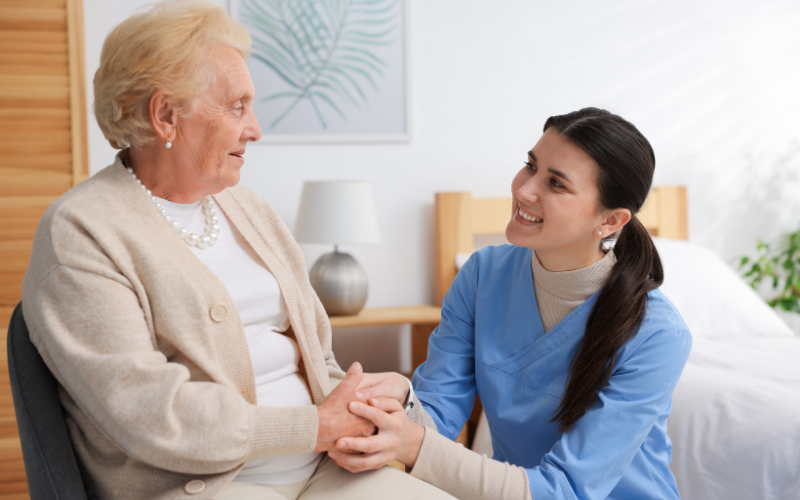
If your aging loved one feels unsteady on their feet, a caregiver from Assisting Hands Home Care can provide the support and reassurance they need. After experiencing a fall, or even the fear of one, seniors often become hesitant to move, which can increase their risk. Our fall prevention care is designed to restore confidence while helping minimize the chances of future falls.
Our professional caregivers offer compassionate, non-medical in-home support tailored to each senior’s needs. They remove clutter and other hazards, perform light housekeeping, and prepare nutritious meals. For seniors taking medications, caregivers provide timely reminders and stay alert for signs of dizziness or other warning signs that could indicate a potential fall.
From transportation and accompanying to the doctor’s office and physical therapy, Assisting Hands Home Care covers the non-medical care needs of seniors in Schaumburg, Hoffman Estates, Palatine, Elk Grove Village, Inverness, Rolling Meadows, Des Plaines, IL and the surrounding areas. Call at (847) 448-0844 to schedule a free in-home consultation to learn more about our highly rated senior home care services.


