
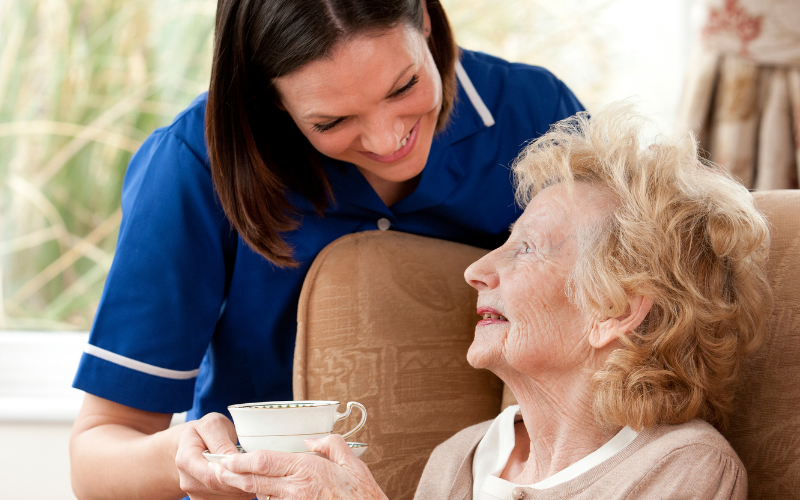
Loneliness has reached epidemic levels, according to the U.S. Surgeon General. For older adults, limited social interaction and prolonged isolation can take a serious toll on emotional and even physical well-being, contributing to depression, anxiety, and cognitive decline. While occasional phone calls or visits from family and friends can help, they are often not enough to fully address the feelings of isolation many seniors experience.
Introducing in-home companionship provides consistent, meaningful interaction, helping seniors stay engaged, supported, and emotionally connected. By fostering these personal connections, seniors can enjoy a richer, more fulfilling quality of life every day.
How Common are Loneliness and Isolation among the Elderly?
Many aging people experience loneliness and a lack of regular social contact. The Institute for Healthcare Policy and Innovation at the University of Michigan finds that in 2023, one in three older adults aged 50 to 80 reported feelings of social isolation in the past year.
Per the same study, over one-third of seniors felt a lack of companionship. Infrequent social contact is also problematic, especially among certain demographics, with one in three elderly individuals having contact with people outside their home less than once per week.
The demographics that experienced the most lack of companionship included those with fair or poor mental or physical health or a disability that prevented them from engaging fully in daily activities. More men (37%) had less contact with others than women (29%).
Seniors with vision or hearing impairments are most at risk for social isolation. Living alone is another risk factor. The loss of a spouse or partner contributes significantly to the rate of loneliness among the elderly. Living in a low-income household is also associated with greater social isolation.
Families that realize social isolation and loneliness are common problems among the elderly may try to engage by calling their aging loved ones on the phone or chatting via video calls. Sometimes, however, brief conversations are not enough to ease the distress of lonely seniors.
What are the Signs Seniors Need In-Home Companionship?

1. Remarks About Loneliness
When an aging loved one makes repeated comments about feelings of loneliness, it’s a sign that they need a friendly face at home. A decline in social interactions can leave the elderly feeling depressed and lead to a host of health issues, such as diabetes, dementia, and heart disease.
Companion care is the answer to seniors’ loneliness. Compassionate caregivers keep the elderly socially engaged and active in the comfort of home. They initiate conversations, play stimulating games, take seniors on outings and join them in hobbies to reduce their feelings of isolation and boredom.
2. Inadequate Food Supply
Family members who visit should check the senior’s kitchen pantry and cupboards. Numerous expired foods or a lack of nutritious options indicate that the older adult is not making enough trips to the grocery store. Arranging for companion care helps alleviate this problem.
Companion caregivers shop for fresh groceries, from vegetables to lean meats and whole grains, and prepare meals rich in vitamins and nutrients. Meal preparation services ensure the elderly eat nutritiously. Caregivers serve beverages throughout the day to keep seniors properly hydrated.
3. Neglected Home Maintenance
Living at home requires maintenance, a responsibility many seniors find increasingly challenging as they age. Changing a light bulb, checking the mail, or cleaning are exhausting tasks for the elderly. Seniors who attempt to change a light bulb, for instance, put themselves at risk for a fall or injury.
Family members who notice the hedges are overgrown or the gutters need cleaning know that bringing in an extra pair of hands is necessary. A companion caregiver helps keep the senior safe by performing light household chores and keeping the home environment clean and safe.
4. A Lack of Transportation
Some older adults feel homebound, whether due to disability or a reluctance to drive. Spending inordinate time at home, lonely and socially unstimulated, is both physically and emotionally unhealthy. A family caregiver may be too stressed to find time to provide consistent transportation.
In cases of increasing isolation, a companion caregiver’s services are invaluable. A part of their core responsibilities is providing safe transportation to places, such as the doctor’s office, post office, or pharmacy. Reliable transportation is key to helping the elderly stay engaged with their community.
Companion Care from Assisting Hands

Family members and neighbors are encouraged to check in regularly with their elderly loved ones, whether by phone or in person, to help them stay socially active and engaged. When healthy companionship is lacking, in-home care from Assisting Hands Home Care can make all the difference.
As a trusted senior care agency, we provide comprehensive companion care designed to support the physical, emotional, and social well-being of older adults. Our services are delivered in the comfort of the senior’s home, allowing them to age safely and comfortably in place.
Companionship is a cornerstone of our care. Our caregivers share meals to encourage proper nutrition, participate in recreational activities, and accompany seniors on outings. We also assist with grocery shopping, meal preparation, and provide timely medication reminders to support overall health.
Transportation is another valued service. Our caregivers provide safe rides to local destinations, ensuring seniors remain active and connected to their communities. Whether it’s a trip to a senior center, pharmacy, or social engagement, we make getting there easy and stress-free.
When your aging loved one shows signs of needing companionship and support at home, turn to Assisting Hands Home Care for compassionate, professional care. Our licensed, bonded, and insured caregivers proudly serve seniors in Schaumburg, Hoffman Estates, Elk Grove Village, Palatine, Park Ridge, IL and the surrounding areas. Call at (847) 448-0844 to schedule a free in-home consultation today to learn how we can help your loved one live safely, happily, and independently.


