
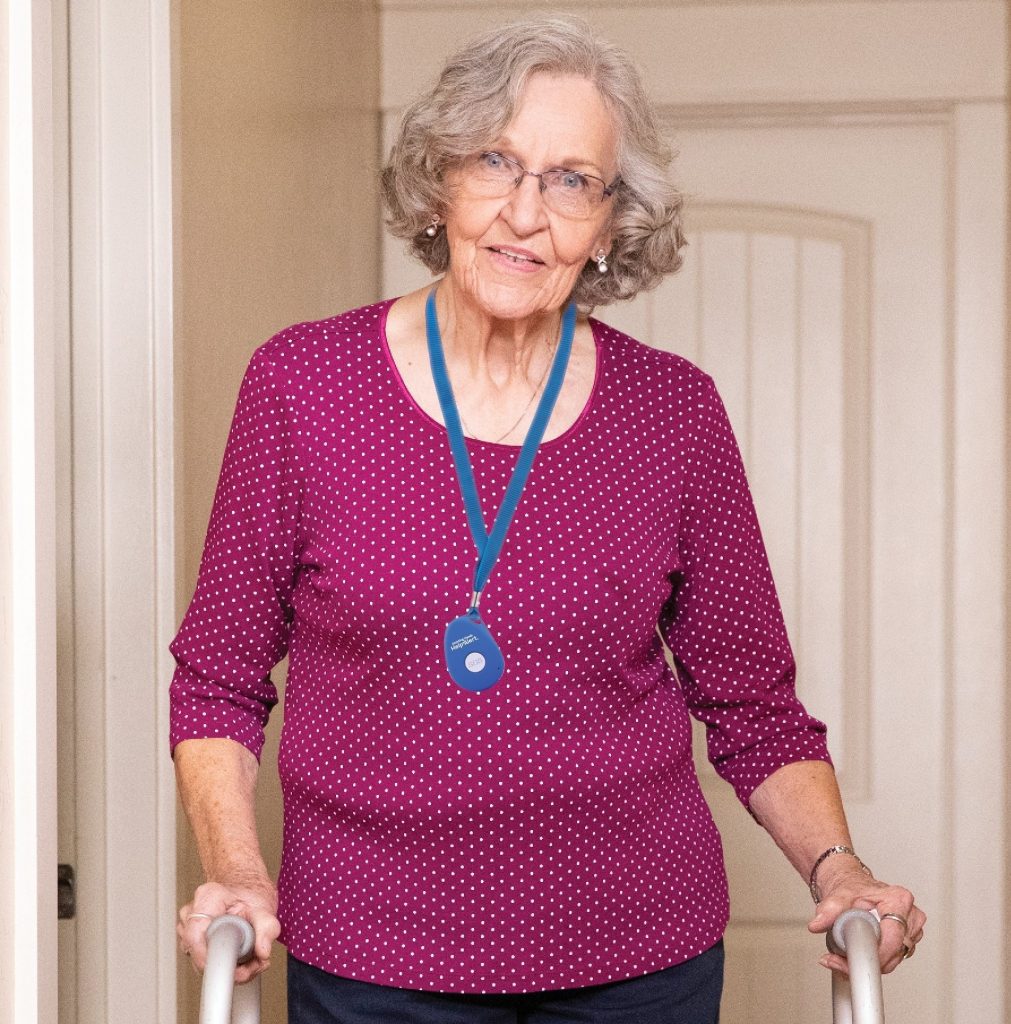
For many seniors and their families, a medical alert system offers a sense of security. The ability to press a button and summon help in an emergency is undeniably valuable. However, relying solely on these devices can create a false sense of comprehensive safety. While crucial for acute crises, medical alerts are reactive tools. They don’t address the broader spectrum of senior well-being, nor do they proactively prevent problems.
The truth is, true senior safety and well-being extend far beyond immediate emergency response. It encompasses regular monitoring, social connection, and assistance with daily tasks that can prevent emergencies from happening in the first place. This is where the importance of proactive check-ins and the invaluable support of Personal Assistants (PAs) come into play.
The Limitations of Medical Alerts
Imagine a senior living alone who experiences a gradual decline in health – perhaps they’re forgetting medication more frequently, struggling with meal preparation, or becoming increasingly isolated. A medical alert system won’t detect these subtle but significant changes. It won’t prompt them to eat, remind them to take their pills, or recognize the early signs of a potential fall risk due to weakness or confusion.
Medical alerts are designed for moments of crisis – a fall, a sudden illness, or another urgent situation where the individual is conscious and able to activate the device. They are a lifeline, but they aren’t a watchful eye. They don’t provide:
-
Early Detection of Deterioration: They can’t identify subtle shifts in health or cognitive function.
-
Proactive Prevention: They don’t help with tasks or routines that can prevent emergencies.
-
Social and Emotional Support: They offer no companionship or combat loneliness.
-
Assistance with Daily Living: They don’t help with errands, appointments, or household chores.
The Power of Proactive Check-Ins
Regular, consistent check-ins are the cornerstone of comprehensive senior safety. These aren’t just quick phone calls; they are opportunities to genuinely assess a senior’s physical and emotional state, identify potential issues, and offer support.
During a check-in, a family member, friend, or professional can:
-
Observe Physical Health: Notice changes in mobility, appearance, or signs of illness.
-
Assess Cognitive Function: Observe memory, clarity of thought, and decision-making abilities.
-
Monitor Medication Adherence: Ensure medications are being taken correctly and on schedule.
-
Check on Nutrition and Hydration: Ensure adequate food and fluid intake.
-
Evaluate Home Safety: Identify fall hazards or other risks within the living environment.
-
Provide Social Connection: Combat loneliness and isolation, which are significant risk factors for both physical and mental decline.
These check-ins can be invaluable in catching problems early, allowing for timely intervention before they escalate into an emergency.
How Personal Assistants (PAs) Can Bridge the Gap?
This is where the role of a dedicated Personal Assistant becomes truly transformative. PAs offer a personalized, proactive layer of support that complements and often surpasses what medical alerts can provide. They are not just caregivers; they are companions, organizers, and advocates for senior well-being.
A PA can assist in numerous ways:
-
Regular, Scheduled Check-Ins: PAs can provide consistent, in-person check-ins, offering direct observation and immediate assistance.
-
Medication Reminders and Management: Ensuring medications are taken on time and correctly.
-
Meal Preparation and Nutrition Support: Helping with grocery shopping and preparing healthy meals.
-
Transportation to Appointments: Ensuring seniors get to doctor’s visits, therapy sessions, and social engagements safely.
-
Household Chores and Errands: Light housekeeping, laundry, and running errands to maintain a safe and comfortable living environment.
-
Companionship and Social Engagement: Reducing loneliness through conversation, activities, and outings.
-
Communication Liaison: Facilitating communication between seniors, their families, and healthcare providers.
-
Fall Prevention: Identifying and mitigating hazards in the home, assisting with safe movement.
By providing these essential services, a PA acts as an extension of the family, offering peace of mind and significantly enhancing a senior’s quality of life and safety. They move beyond reactive emergency response to proactive well-being management.
Prioritizing Senior Safety and Well-being
Ultimately, the goal is to ensure the highest level of safety and well-being for our seniors. While medical alerts have a vital place in emergency preparedness, they are merely one piece of a much larger puzzle. A holistic approach that integrates proactive check-ins, the dedicated support of Personal Assistants, and open communication is paramount.
Investing in these proactive measures not only prevents emergencies but also fosters a sense of independence, dignity, and connection for seniors, allowing them to age in place with confidence and joy.
External Resources:
-
National Council on Aging (NCOA): Provides resources and information on healthy aging, fall prevention, and senior benefits. www.ncoa.org
-
AARP: Offers extensive articles and guides on senior health, caregiving, and safety. www.aarp.org
-
National Institute on Aging (NIA): Part of the NIH, provides health information and research on aging. www.nia.nih.gov
By combining the best of technology with the irreplaceable value of human connection and proactive care, we can truly ensure the safety, health, and happiness of our beloved seniors.

