
We hear a lot about the demographic shifts reshaping our communities—most notably, the reality that over 1 in 4 older adults now navigate life solo. According to recent U.S. Census Bureau data on living arrangements, a massive number of aging adults live alone, which makes daily tasks like cooking for one for seniors a unique challenge. While there is incredible freedom in having your own space, managing the kitchen solo can quickly become a major hurdle.
And if you ask me, the toughest daily challenge doesn’t happen in the hardware store or the doctor’s office. It happens in the kitchen at 5:30 PM.
For years, I lived alone. Without fail, the hardest question of the day was always: What on earth am I going to do for dinner?
When you’re cooking for a crowd, there’s an inherent energy to it. But when it’s just you? The effort required to chop, sauté, and clean up a multi-step meal for one person can feel entirely pointless. I’ll admit it: there were plenty of nights where decision fatigue won, and I fell victim to the infamous “tea and toast syndrome.” A slice of bread, a swipe of butter, a hot mug, and calling it a night. It’s comforting, sure, but it’s not exactly a sustainable nutritional plan.
If you are tired of the tea-and-toast loop, you aren’t alone. Here is how we can rewrite the script on solo dining, inject some creativity back into the kitchen, and use a helping hand to make the week effortless.
Creative Strategies for Cooking for One for Seniors
Mastering cooking for one for seniors shouldn’t mean eating processed box meals or staring down a mountain of leftovers you’ll grow to actively resent by day four. Following practical nutrition strategies, like the National Institute on Aging’s guide to healthy meal planning, can completely shift your approach. Here are a few creative ways to pivot:
-
The “Component” Method (Not Meal Prep): Instead of cooking a massive batch of a single dish (like a giant lasagna), cook versatile components. Roast a tray of seasoned chicken breaths and a medley of vegetables. On Monday, it’s chicken and veggies. On Tuesday, that chicken goes into a quick quesadilla. On Wednesday, it’s tossed with pasta and olive oil.
-
Embrace the Muffin Tin: Muffin tins are the ultimate weapon for solo living. You can bake perfectly portioned mini-meatloaves, individual crustless quiches, or baked oatmeal cups. They freeze beautifully, defrost quickly, and mean you only eat exactly what you want.
-
The “Upscale” Sandwich: If you are going to have toast or a sandwich, make it an event. Swap the standard sliced bread for a fresh bakery brioche or sourdough. Add some arugula, a slice of sharp pear, or a drizzle of hot honey. If it takes five minutes to make, ensure those five minutes taste luxury.
A Quick Reality Check: Eating well isn’t just about fuel; it’s about morale. Eating a balanced, flavorful meal tells your brain that you are worth the effort—because you are.
The Caregiver Advantage: Prepping for a Seamless Week
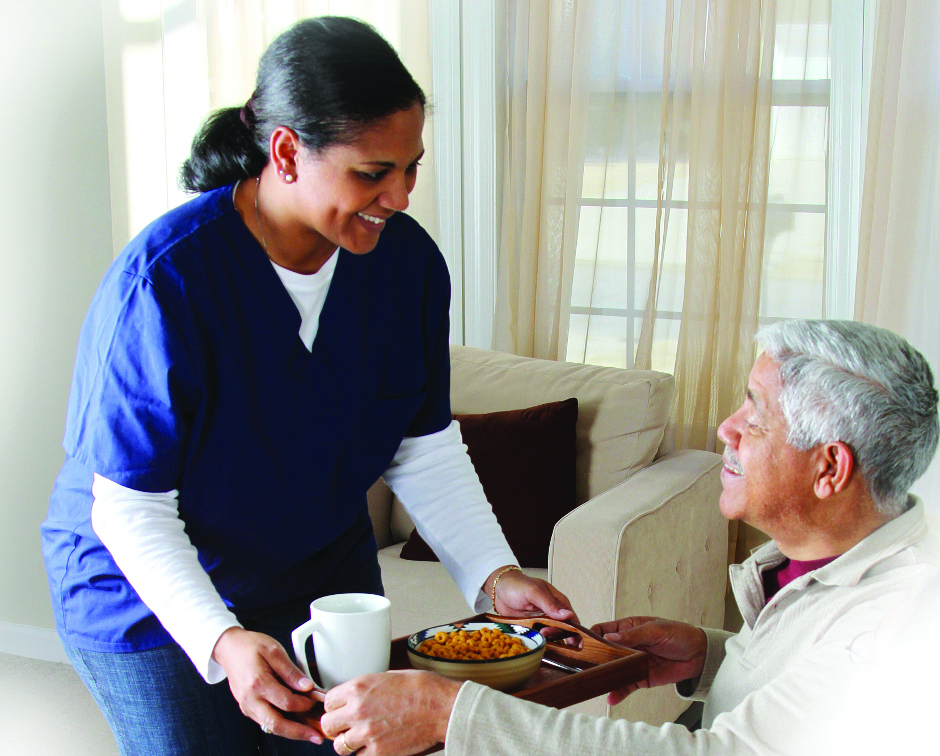
Sometimes, the spirit is willing, but the hands are tired. Standing at a counter chopping vegetables or lifting heavy pots can make the kitchen feel like a battlefield. When it comes to cooking for one for seniors, a professional caregiver or a dedicated family member can step in to completely revolutionize your relationship with food.
If you work with a caregiver, mealtime shouldn’t just be them handing you a pre-made plate. It can be a collaborative strategy to set you up for independent success all week long, aligning with the National Council on Aging’s dietary recommendations for maintaining muscle mass and vitality. Here is how they can help:
1. The Prep Work (The Heavy Lifting)
The most exhausting part of cooking is often the physical setup. You can ask a caregiver to spend an hour slicing peppers, peeling potatoes, dicing onions, and portioning out proteins into clear containers. When the hard physical labor is already done, assembling a fresh dinner takes mere minutes.
2. Building Your Own “TV Dinners”
Instead of buying sodium-heavy frozen meals from the grocery store, have your caregiver help you package your own favorites. When they cook a balanced meal with you, immediately portion the extra servings into microwave-safe, freezer-friendly containers. Label them clearly with the date. Suddenly, on a night when you are exhausted, you have a home-cooked meal ready to pop into the microwave.
3. The “Sous Chef” Experience
Cooking can be lonely, which is half the reason we avoid it. Turn meal prep into a social hour. Have your caregiver act as your sous chef—they handle the chopping and the heavy lifting, while you manage the seasoning, the stirring, and the culinary direction. It keeps you in the driver’s seat of your nutrition while turning a chore into a shared experience.
Living alone is a beautiful exercise in independence, but it shouldn’t mean sacrificing the joy of a good meal. By changing how we view the kitchen and leaning on a caregiver to handle the logistics, cooking for one for seniors becomes less of a chore and more of a joy. We can leave the tea-and-toast syndrome in the past where it belongs.

