
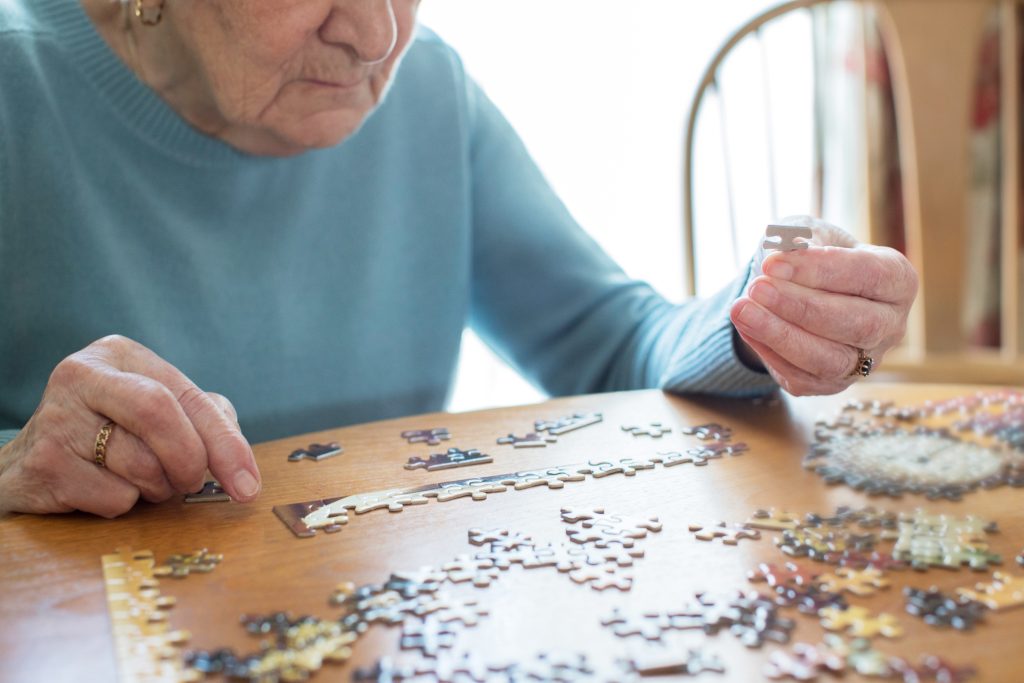
One of the greatest joys of providing home care is helping a client not just live comfortably but live fully. A rich, engaging life includes exploring personal hobbies and interests, and a caregiver is an invaluable partner in making this happen. The secret to success lies in adopting a Person-Centered Activities for Seniors and Caregiver Support approach—tailoring meaningful engagement to the individual’s history, ability, and mood on any given day. This structured methodology is the gold standard for all seniors and is especially beneficial for those experiencing cognitive changes.
Here is a guide to help you implement this structured activity planning, fostering joy and purpose through community outings and in-home engagement.
The Power of the Past: Connecting Activities to Their Life Story
The foundation of meaningful engagement for any senior is connecting current activities to their past identity, career, education, and family. This taps into long-term memories and reinforces a sense of self-worth.
| Focus Area | Activity Ideas with a Personal Spin | Universal Value |
| Career & Education | Sorting and Organizing: If they were an accountant, provide old office supplies to sort. If a lifelong learner, listen to an audio lecture or documentary on a favorite historical topic. | Sense of Purpose: Engages fine motor skills and reinforces a former professional identity, boosting self-worth and confidence. |
| Family & Home | The Family Photo Album: Look through old photos, using them to spark storytelling about specific people or events. Music and the Radio: Tune in to music from their younger days (e.g., Big Band, 40s/50s hits). | Emotional Connection: Reinforces social and emotional bonds. Music often bypasses memory loss, providing connection for all. |
| Past Hobbies | Modified Crafts: If they loved knitting, provide large yarn to simply make a chain. If they enjoyed gardening, tend to a window herb box. | Familiarity & Mastery: The actions are familiar to their hands and brain, allowing them to feel skilled and successful without pressure. |
Finding Things to Do in the Community – Person-Centered Activities
Stepping out offers sensory stimulation and a valuable sense of normalcy for all seniors. The key is to plan with purpose, focusing on familiarity, comfort, and short, manageable timeframes.
| Activity Example | Making it Enjoyable & Stimulating | Benefit for All Seniors |
| A Gentle Stroll in a Park or Garden | Focus on the sensory experience: scent, sound, and the feel of the breeze. Keep the route comfortable and familiar to prevent fatigue. | Physical & Mental Health: Provides essential exercise, fresh air, and exposure to nature, which is a proven mood booster. |
| A Favorite Local Spot | A quick trip to a library, a small cafe, or a local landmark. Keep the goal simple (e.g., getting a coffee, looking at a specific magazine). | Routine & Competence: Maintains a connection to the local environment, reinforcing independence and providing a sense of competence. |
| Attending a Local Senior Center Event | Look for appropriate programs like chair exercises, book clubs, or social luncheons. | Socialization & Connection: Provides crucial interaction with peers, combating isolation and supporting overall mental well-being. |
Exploring Hobbies and Interests at Home – Person-Centered Activities
For in-home activities, the goal is consistent mental and sensory stimulation adapted to the individual’s abilities.
- Puzzles and Brain Games: Choose large-piece puzzles (12-36 pieces) with clear, familiar images. Simple card matching or dominoes are fantastic for stimulating concentration and problem-solving.
- Music and the Radio: Tune in to a radio station that plays music from their younger days (e.g., Big Band, 40s/50s hits, or classical). Listening, humming, or lightly tapping a foot to the rhythm is highly engaging.
- Simple Cooking/Baking Tasks: Allow the client to help with easy, one-step tasks: stirring, rolling dough, or setting the table. This engages the powerful senses of touch and smell.
- Tactile and Sensory Engagement: Simple tasks like folding soft towels or sorting items provide calming, repetitive motions. For seniors with more advanced cognitive change, these tactile activities are especially important for comfort.
The Role of a Professional Home Care Agency
Implementing this person-centered model requires expertise, coordination, and consistency. A professional home care agency is essential for turning these concepts into a successful reality:
- Structured Assessment: An agency begins with a formal assessment to gather comprehensive life history, ensuring the care plan is genuinely person-centered.
- Coordination and Resources: The agency manages scheduling, ensures consistency in care delivery, and often maintains a library of appropriate resources (like large-piece puzzles, craft materials, and specialized activity kits).
- Safety and Logistics: For community outings, the agency handles the logistics of safe transportation and ensuring the caregiver is trained to handle emergencies or unexpected situations while away from home.
Caregiver Strategies for Success: Implementing Person-Centered Activities for Seniors and Caregiver Support
Whether your client is fully independent or needs significant assistance, your role is to be a supportive facilitator. Implementing Person-Centered Activities for Seniors and Caregiver Support is about partnership.
- Start with Family Input: Always gather information about the client’s past. This roadmap ensures every activity is inherently meaningful.
- Focus on the Process, Not Perfection: The goal is engagement and enjoyment. Don’t worry if the puzzle is incomplete or the chore is not done perfectly.
- Adapt and Be Flexible: Activities should last no more than 15-30 minutes. Be ready to switch to something calming, like music, if the client shows signs of fatigue or frustration.
By focusing on these person-centered, structured strategies, you are ensuring your client—regardless of their health—experiences consistent moments of joy, connection, and a renewed sense of self, which is the ultimate goal of Person-Centered Activities for Seniors and Caregiver Support.
Resources and References
The strategies and activity ideas in this post—especially the person-centered approach—are best practices for enhancing the well-being of all seniors. For more in-depth guidance and resources, please consult:
- National Institute on Aging (NIA): Offers research-backed guidance on healthy aging, maintaining physical and mental wellness, and general activity planning for older adults.
- The Alzheimer’s Association: While focusing on memory loss, this organization provides extensive, accessible information on the principles of person-centered care, which are beneficial for all seniors, and offers tips on adapting activities for various cognitive levels. See the Alzheimer’s Association – Activities At Home Planning Worksheet.

