
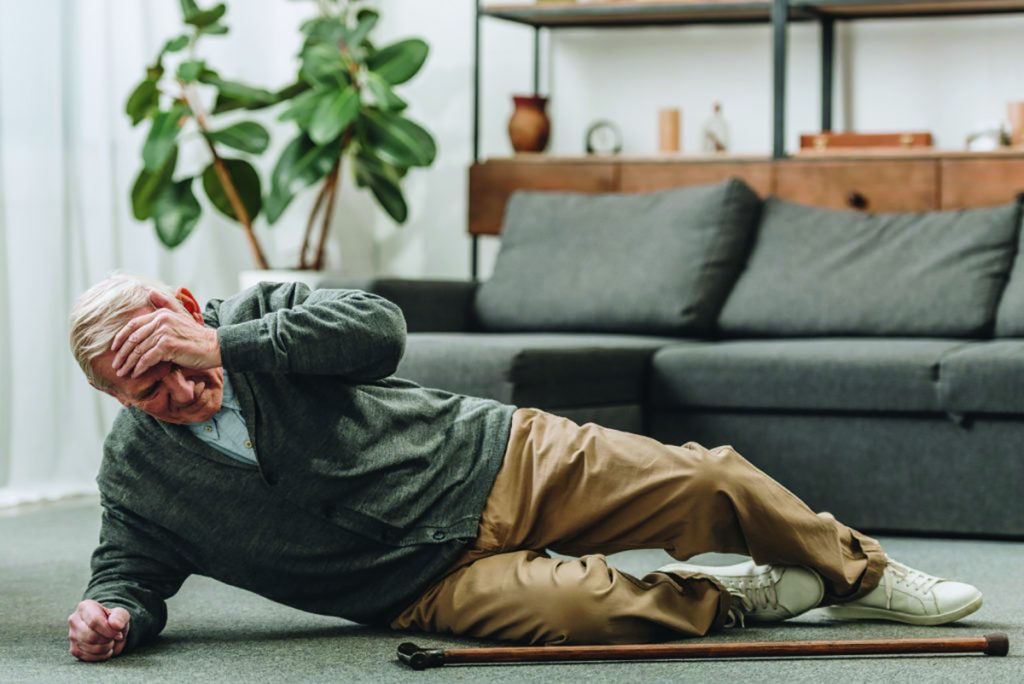
Staying safe and independent at home is a priority for everyone, especially as we age or manage health conditions. For clients and Personal Assistant Services (PAS) providers alike, understanding potential hazards and implementing preventative measures is key to a comfortable and secure living environment. This blog post will focus on fall prevention and home safety assessments, aiming to break the cycle of recurring falls that often leads to hospitalizations and a diminished quality of life.
The Alarming Reality of Falls
Falls are a significant concern, especially among older adults. The statistics paint a clear picture (Sources: CDC, NCOA):
-
One in four Americans aged 65 and older falls each year.
-
Falls are the leading cause of injury and death among older adults.
-
Every 11 seconds, an older adult is treated in the emergency room for a fall.
-
Falls account for over 3 million emergency department visits annually.
-
The financial cost of non-fatal older adult falls exceeds $50 billion each year.
These numbers highlight the critical need for proactive strategies to prevent falls and protect our loved ones and clients.
Breaking the Cycle: Hospital, Rehab, Home, Fall, Repeat
Many individuals experience a disheartening cycle: a fall leads to a hospital stay, followed by rehabilitation, a return home, and then another fall, often resulting in another hospitalization. Our ultimate goal is to prevent recurring falls and unequivocally break this cycle of hospital, rehab, home, and fall. By implementing the strategies detailed in this guide, we focus on Preventing Recurring Falls: Home Safety Assessments for Seniors and PAS Providers, thereby empowering individuals to maintain their independence and avoid the physical and emotional toll of repeated falls.
Fall Prevention: Essential Tips for Clients and PAS Providers
Fall prevention is a collaborative effort. Here are actionable tips for both clients and their PAS providers:
For Clients:
-
Stay Active: Regular exercise, especially activities that improve balance and strength (like tai chi or walking), can significantly reduce your risk of falling. Consult your doctor or a physical therapist for safe exercise recommendations.
-
Review Your Medications: Some medications, or combinations of medications, can cause dizziness, drowsiness, or affect balance. Talk to your doctor or pharmacist about reviewing your medications and their potential side effects.
-
Get Your Eyes and Ears Checked: Poor vision and hearing can impact your balance and awareness of your surroundings. Ensure you have regular eye exams and hearing tests, and update your eyeglasses or hearing aids as needed.
-
Wear Appropriate Footwear: Choose sturdy, well-fitting shoes with non-slip soles. Avoid walking in socks, bare feet, or loose-fitting slippers.
-
Use Assistive Devices Correctly: If you use a cane, walker, or other assistive device, ensure it’s the correct size and that you know how to use it properly.
-
Rise Slowly: When getting up from a sitting or lying position, do so slowly to prevent dizziness (orthostatic hypotension).
-
Communicate: Don’t hesitate to tell your PAS provider or family if you feel unsteady, dizzy, or notice any new challenges with your mobility.
For PAS Providers:
-
Be Observant: Continuously assess the client’s gait, balance, and any signs of unsteadiness. Note any changes in their mobility.
-
Encourage Activity (Safely): Support and encourage clients to participate in safe exercises and activities that promote strength and balance, as recommended by their healthcare provider.
-
Medication Awareness: Be aware of the client’s medication schedule and any potential side effects that could increase fall risk. Report any concerns to the client, their family, or healthcare team.
-
Assist with Footwear: Ensure clients are wearing appropriate and safe footwear.
-
Proper Use of Assistive Devices: Confirm clients are using their assistive devices correctly and that the devices are in good working order.
-
Educate and Empower: Gently educate clients on fall prevention strategies and empower them to actively participate in their own safety.
-
Prompt Reporting: Report any near falls, actual falls, or new safety concerns immediately to the client’s family or healthcare professional.
Home Safety Assessments: Your First Line of Defense
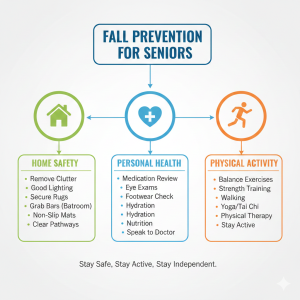
A thorough home safety assessment is crucial for identifying and mitigating fall hazards. Both clients and PAS providers should be actively involved in this process. Preventing Recurring Falls: Home Safety Assessments (with other health and physical related activities) for Seniors and PAS Providers is a proven methodology for increasing in-home safety and confidence.
-
Clear Pathways:
-
Remove clutter from floors, hallways, and staircases.
-
Ensure electrical cords are tucked away and are not tripping hazards.
-
Rearrange furniture to create clear walking paths.
-
-
Lighting:
-
Ensure all areas of the home are well-lit, especially stairways, hallways, and bathrooms.
-
Use nightlights in bedrooms, hallways, and bathrooms.
-
Place a lamp within reach of the bed.
-
-
Flooring:
-
Secure or remove all throw rugs and area rugs, as they are common tripping hazards.
-
Check for uneven flooring or loose tiles and report them for repair.
-
Consider non-slip mats in bathrooms and kitchens.
-
-
Bathrooms:
-
Install grab bars in the shower/tub and next to the toilet.
-
Use a non-slip bath mat or strips in the shower/tub.
-
Consider a raised toilet seat or a shower chair if needed.
-
-
Stairways:
-
Ensure handrails are sturdy and on both sides of the staircase.
-
Keep stairs completely free of clutter.
-
Use contrasting strips on the edge of steps for better visibility.
-
Resources and Further Reading
For more detailed guidance and checklists on fall prevention and home safety, consult these external resources:
-
National Council on Aging (NCOA): Provides key statistics, risk factors, and information on effective prevention programs.
-
CDC Check For Safety Checklist: A printable, room-by-room home safety assessment tool for older adults.

