
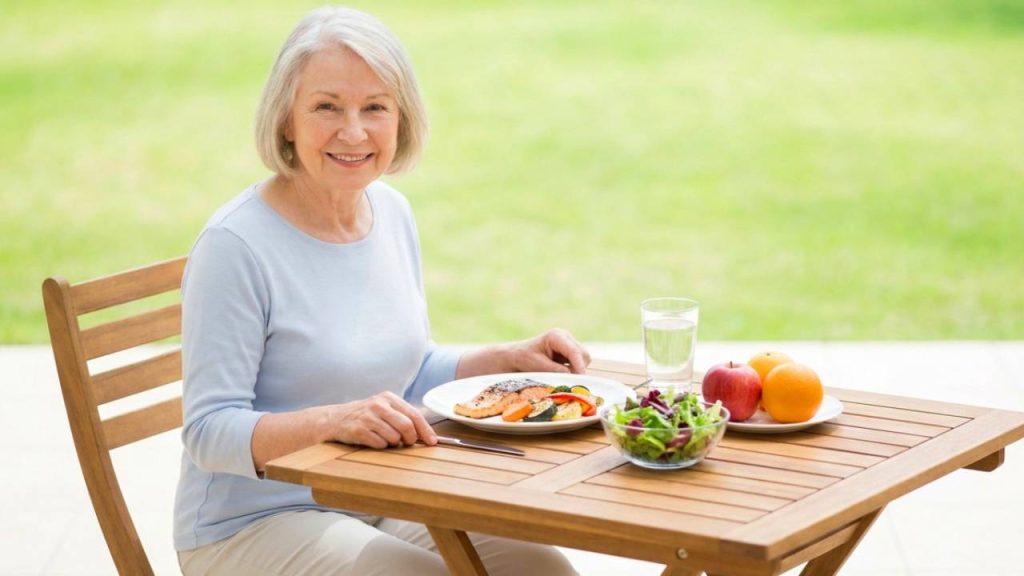
As we age, our bodies change. Metabolism slows down, muscle mass tends to decrease, and nutritional needs become more specific. A healthy diet can help with cardiac health, immune function, brain performance, and muscle and bone strength. It can also reduce the risk of or control better chronic conditions like diabetes, high blood pressure, and osteoporosis.
According to the National Council, proper nutrition plays a vital role in energy, weight management, and preventing certain illnesses, including diabetes, heart diseases, and osteoporosis. For seniors, quality matters more than quantity. That’s where in-home caregivers come in for meal preparation.
Depending on the health condition and dietary needs, they prepare meals that work best for the health and well-being of older adults.
How Aging Changes Nutritional Needs
With age, calorie intake decreases, but the need for essential nutrients like protein, vitamins, and minerals increases. To fill this gap, older adults need nutrient-dense foods without excess calories.
Key Nutrients for Seniors:
• Protein: The Foundation of Muscle and Tissue Repair
– Prevents muscle loss (sarcopenia)
– Supports wound healing
• Vitamins and Minerals That Matter Most
– Vitamin D and calcium for bone health
– Vitamin C and zinc for immune function and healing
– B vitamins for energy and brain health
• Healthy Fats for Brain and Heart Health
– Omega-3 fatty acids and inflammation reduction
• Fiber and Hydration for Digestive Health
– Prevents constipation and supports gut health
Changes in Digestion and Nutrient Absorption:
Additionally, the amount of stomach acid remarkably decreases as one grows older. Other consequences of aging include a decline in digestive enzymes and slower gut motility, both of which can impair nutrient absorption. Many seniors complain of issues like lactose intolerance or gut inflammation.
Here are some strategies we may adopt:
• Eat small amounts but frequently
• Add probiotics and fiber for gut health
• Consider digestive enzyme supplements
Appetite Loss and Hydration Challenges:
As aging metabolism changes, senior people find themselves at higher risk of inadequate nutrition and dehydration due to decreased appetite and thirst sensation. Other factors that worsen the conditions are skipped medications, illness, and social factors.
Impact of Energy Levels and Daily Functioning:
As a result of poor nutrition, energy levels remarkably decrease, disrupting day-to-day life. Seniors often feel fatigued and tired, even when they are at home and not running around.
Balancing meals with protein, complex carbs, and healthy fats is essential. Plus, staying hydrated is equally important. Thankfully, personalized home care service providers make sure that seniors eat the right meals and are hydrated to stay healthy and stable despite aging.
The Role of Nutrition in Recovery and Healing
Aging affects our muscles, skin, and organs. Luckily, our body naturally repairs these issues. Adequate intake of nutrients heals our wounds and injuries; helps us recover faster. Importantly, those who have had surgery require the right nutrients to bounce back quickly.
The Connection Between Nutrition, Immunity, and Longevity
As we grow older, our immune system starts to get weak. Seniors are more at risk of catching infections and complications. Consumption of certain foods triggers allergies, which often aggravate chronic conditions. Taking a proper diet becomes a part of chronic disease management as it strengthens immune response and extends lifespan.

Practical Nutrition Tips for Seniors and Caregivers
For balanced nutrition, proper meal planning strategies must be in place. The idea is to prepare easy food, something which is nutrient-rich. At Assisting Hands Home Care Sarasota, we make sure that patients take small, frequent meals throughout the day. We also provide hydration reminders so that seniors don’t forget to drink adequate fluids. In case seniors need supplements, we follow the medical guidance before encouraging and reminding them to take them.
Nutrition and Cognitive Health
The impact of diet on memory and the brain cannot be taken lightly.
Adherence to a Mediterranean diet has been linked to a 21% reduced risk of cognitive disorders and a 40% reduced risk of Alzheimer’s disease.
For those following The MIND diet, a combination of Mediterranean and DASH diets, they are likely to experience slow brain aging by 2.5 years, with a slim chance of developing dementia.
Research also shows that a higher intake of omega-3 fatty acids, particularly DHA, has been associated with improved cognitive health and a 10-30% reduced risk of Alzheimer’s disease.
To ward off such conditions, the dietary regime may include:
– Leafy greens
– Berries
– Fatty fish
Patients must consult the dietitian before choosing any dietary regime. Our caregivers at Assisting Hands Home Care Sarasota follow the nutritional guidelines while delivering elderly meal planning services.
When to Seek Professional Guidance
Malnutrition leads to several changes in the body. Some common signs of malnutrition include:
– Unexplained weight loss or gain
– Fatigue, weakness, or low energy
– Poor wound healing or frequent infections
– Changes in hair, skin, or nail health
– Digestive issues like diarrhea or constipation
– Loss of muscle mass or bone density
When to consult a dietitian or healthcare provider?
– If you’re experiencing signs of malnutrition
– Managing chronic conditions like diabetes, kidney disease, or heart disease
– Planning for surgery or recovery
– Experiencing unintended weight changes
– Having difficulty eating or swallowing
How Does Assisting Hands Home Care Sarasota Help with Meal Preparation?
At Assisting Hands Home Care Sarasota, our caregivers provide comprehensive meal preparation services to help seniors and individuals with limited mobility maintain a healthy diet while remaining in their homes.
We understand how malnutrition affects the body and slows down recovery. To ensure our clients receive the right kind of meal, we focus on:
Nutritional Planning: We help clients and their families plan meals that meet their dietary needs and tastes.
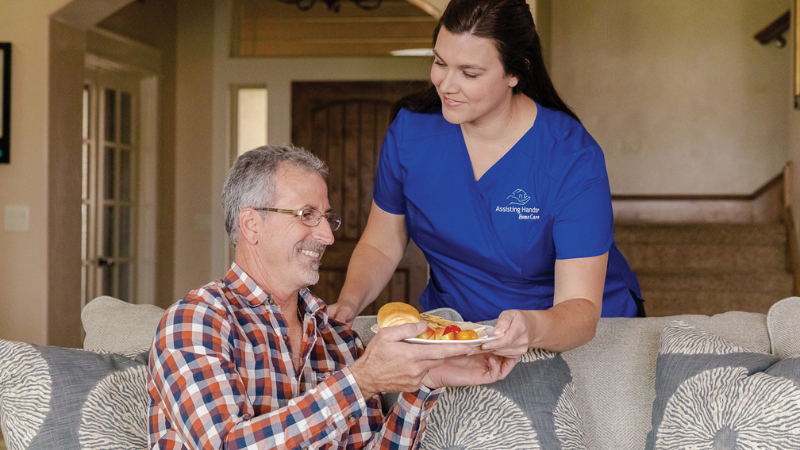
Cooking and Serving: From simple breakfasts to big dinners, we prepare healthy meals from scratch in the client’s own kitchen.
Safety and Hygiene: While preparing meals, we pay attention to safety and hygiene. Our goal is to keep the kitchen clean so that every meal is prepared in a clean environment.
Grocery Shopping: As part of our home care service, we also assist with grocery shopping to ensure the kitchen has fresh food.
Clean-up: We also wash the dishes, take out the garbage, and perform other cleanup tasks to keep your kitchen clutter-free.
Additional Support:
Companionship: By sharing mealtimes with clients, we strive to foster an emotional connection and empathy. Seniors also feel supported and less lonely and isolated.
Medication Reminders: Apart from meal preparation, we ensure that no medicine dosage is skipped. The missed dosage impacts health and well-being and at times delays recovery. At Assisting Hands Home Care Sarasota, we make sure that necessary medications are timed with meals.
Flexible Scheduling: Our services are available 24 hours a day, 7 days a week, meaning you can receive assistance during any mealtime, including weekends and holidays.
Overall, proper food intake strengthens the body and prevents infection and illnesses. Not only does it add up to muscle strength, but it also helps seniors enjoy a long life. At Assisting Hands Home Care Sarasota, our caregivers help seniors with meal preparation, hydration reminders, medication reminders, and companionship to ensure that they feel supported and independent at home. Our private care for the elderly at home focuses on emotional connection and empathy, enabling them to maintain their independence and autonomy while remaining at home.

