
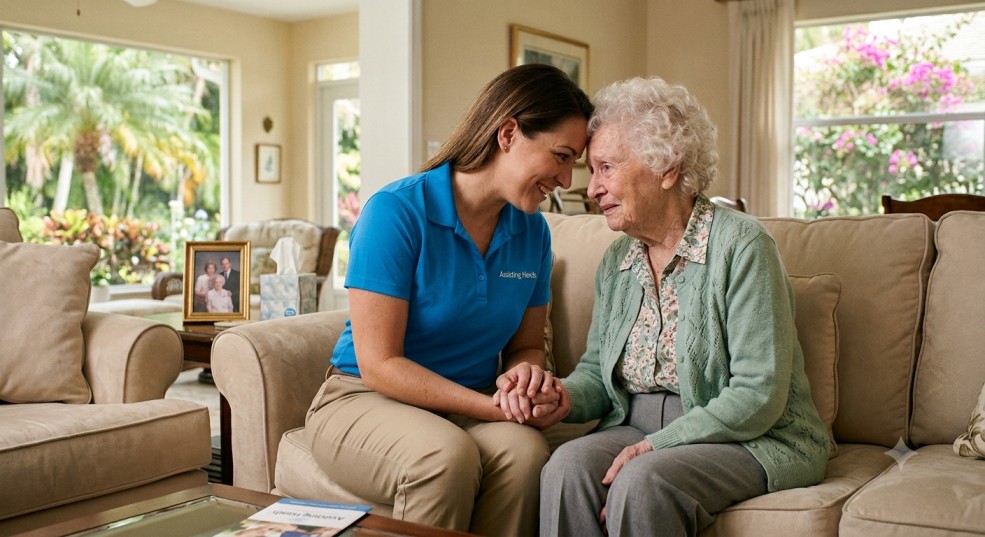
Hurricane season is just a way of life along Florida’s Gulf Coast. Yet hurricane preparedness for seniors can be much more complicated than simply storing bottled water, canned food, and flashlights. A power outage or evacuation could pose a whole new level of health threat for those with limited mobility or who rely on life-sustaining medications and equipment.
Families worry about their actual readiness, even without geographic proximity. In-home care in Sarasota, FL, can be critical in such situations. Home care providers will assist the elderly with storm preparation and recuperation years before landfall.
Why Hurricane Season Poses Unique Risks for Sarasota’s Elderly Population
Seniors face issues during hurricanes that younger people may never consider. For example, an electrical outage can lead to exposure to heat—a condition that is even more hazardous for people with a history of heart problems. Road blockages cause delays in access to medications and appointments. Examples include stair negotiation and panic during evacuation.
Memory conditions (e.g., Alzheimer’s disease or dementia) pose further challenges. An abrupt change in a person’s environment can increase disorientation, anxiety, and wandering.
Many Sarasota seniors also prefer aging at home. This means that during some of the harshest conditions, family availability may be limited. Knowing that quality in-home senior care providers are already established provides families with comfort at the time of greatest need.
Building a Senior-Specific Emergency Preparedness Plan
A plan should address the senior’s particular health, mobility, and living situation rather than serving as a generic emergency checklist.
An effective plan typically includes:
– Emergency contact information
– Current medication lists and assistive devices
– Medical history and physician contacts
– Important insurance documents
– Emergency food and water supplies
– Flashlights and battery-powered radios
– Additional clothing and personal hygiene items
– Backup transportation arrangements
Advance preparation allows families to discuss preferences rather than making rushed decisions once a storm warning is in place.
Medication and Medical Equipment Backup Plans
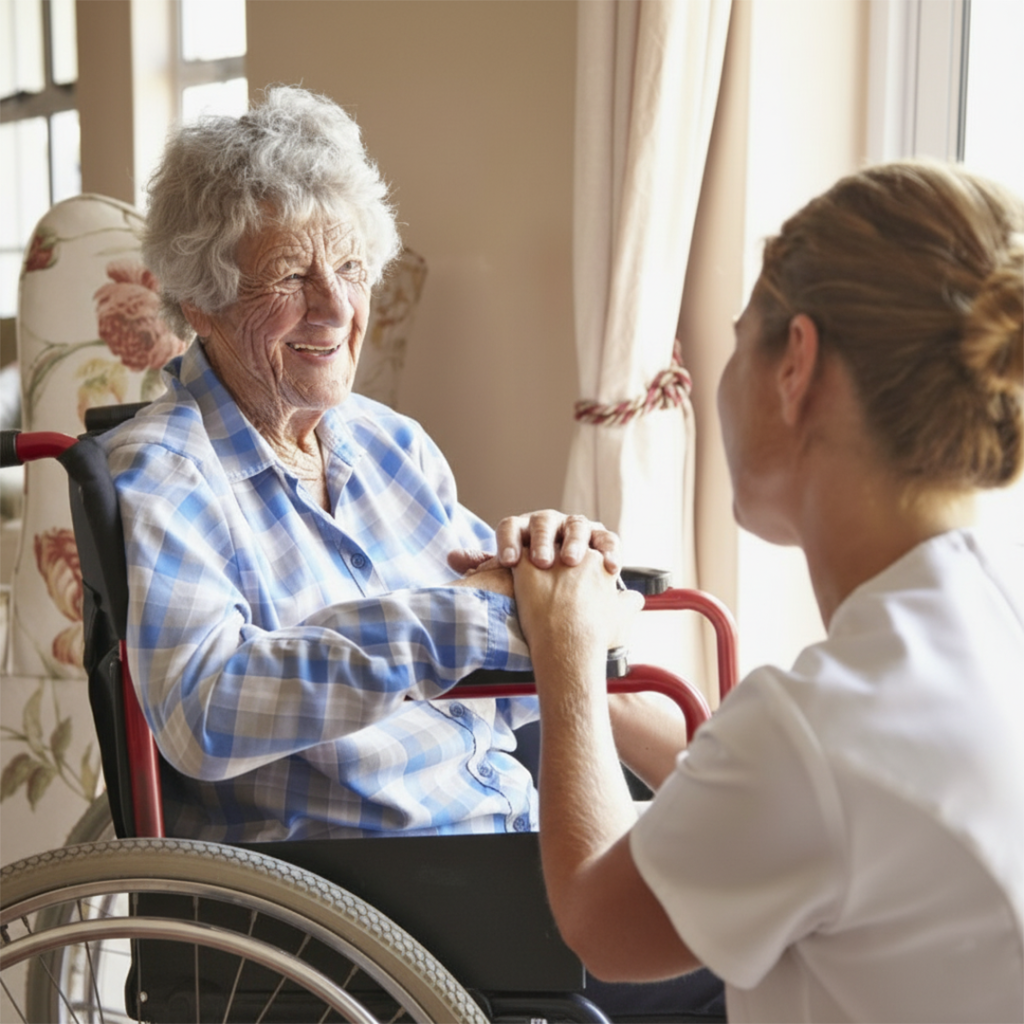
A number of senior citizens rely on daily medication administration without an easy substitute during a storm.
Prior to the start of hurricane season, families should verify refill schedules for current medications, maintain up-to-date medication lists, and (if possible) consult with healthcare providers about acquiring emergency supplies.
All medical equipment—even equipment not technically considered “general home appliances”—merits discussion. That list includes oxygen concentrators, CPAPs, mobility accessories, and refrigerated medications.
Perform battery charging, evaluate backup electrical supplies, and maintain understanding of equipment relocation options in an emergency.
Evacuation vs. Sheltering in Place: How to Decide
Storms are unique, and each senior’s circumstances are different. An individual residing outside the evacuation zone may be able to take shelter at home if adequately prepared. An additional senior person who relies on electrical medical equipment or resides in a mandatory evacuation zone may require relocation prior to landfall.
The decision should consider:
– Local evacuation orders
– Medical needs
– Mobility limitations
– Caregiver availability
– Transportation access
– Home safety
Finalizing this decision days in advance of landfall significantly reduces stress compared to evacuation attempts during road gridlock.
The Role of In-Home Caregivers Before, During, and After a Storm
Using professional care provides professionalism during hurricane season.
Before a storm: Caregivers help collect emergency supplies and maintain a presence to track weather reports. This serves as an opportune time for meal preparation, medication organization, and verification of mobility aid accessibility in case of evacuation.
During the storm: Caregivers maintain adherence to familiar routines to ensure senior calmness. Amid uncertainty, the assurance of a friendly face and reassuring presence improves situational manageability.
After the storm: The necessity for assistance remains high. Grocery stores may face closure. Debris may obstruct the sidewalk, making walking a challenge. Doctors’ appointments may require rescheduling, turning ordinary household chores into daunting tasks.
Professional caregivers continue to provide assistance with:
- Personal Care
- Meal preparation
- Medication reminders
- Light housekeeping
- Transportation upon road reopening
- Companionship during recovery
Customized care plan creation meets the specific needs of each individual, whether requiring assistance with companionship, personal care, Alzheimer’s support, respite care, or day-to-day tasks. Care managers possess training, bonding, insurance, and CPR/First Aid certification. We offer prompt service delivery following a free home assessment.

Power Outages and Seniors: Managing Heat, Medical Devices, and Mobility
Whether due to topography, infrastructure, or resource limitations, significant storms lead to extended power failures.
For the elderly, power loss extends beyond light deprivation. Indoor temperature spikes, refrigerated medication spoilage, elevator stoppages, and electronic medical device malfunctions occur without backup power supplies.
Movement through poorly lit hallways increases the risk of falls.
To improve recovery phase safety, efforts include:
- Preparation of battery-powered lighting
- Full phone charging
- Backup battery maintenance
- Scheduling group well-being check-ins
Families must identify emergency cooling sites (such as homes of neighbors, relatives, and friends) or alternative housing if extended outages render home residences unsafe.
Creating a Family Emergency Contact and Care Plan
Establishing an emergency plan is essential, but optimal functioning depends on awareness of individual roles.
Families should establish advance agreements on:
- Initial senior contact responsibility
- Proximity for assistance
- Neighbor house-key possession
- Important document storage locations
- Relative update distribution
- Potential transportation options for evacuation
Documenting information prevents reliance on recollection during high-stress situations.
How Assisting Hands Supports Sarasota Families During Storm Season
Hurricane season preparation is less daunting when families do not have to handle resource mobilization independently.
Assisting Hands Home Care Sarasota offers compassionate in-home care services to support senior residents in Sarasota, FL. Committed to preserving dignity, independence, and a high quality of life, the agency develops custom care plans that match individual needs and preferences.
Services include:
– Personal care
– Meal planning and preparation
– Medication reminders
– Companionship
– Transportation assistance
– Light housekeeping
– Alzheimer’s and dementia support
– Hospice assistance
– VA benefit program home care services
– Respite services or 24-hour care provision
Assisting Hands Home Care Sarasota provides free in-home assessments to determine family requirements throughout Sarasota, Venice, North Port, Siesta Key, Longboat Key, and surrounding area communities.
FAQs About Senior Hurricane Preparedness
What should seniors prepare before hurricane season begins?
Ensure that emergency supplies, medications, medical records, contact lists, backup power plans, and transportation arrangements are in place prior to the storm’s arrival.
Can in-home caregivers help with hurricane preparation?
Yes. Caregivers assist with supply gathering, medication organization, meal preparation, personal hygiene, dressing, and monitoring emergency procedures.
What if my loved one has dementia?
Seniors with dementia benefit from routine maintenance and dependable caregivers who can reduce disorientation and provide reassurance before, during, and after storms.
Should seniors evacuate for every hurricane?
No. Decision-making depends on evacuation orders, medical requirements, home condition, and official guidance during an emergency.
In what ways does Assisting Hands Home Care in Sarasota provide assistance during hurricane season?
The agency provides senior in-home care tailored to individual needs. Services include personal care, companionship, medication cues, transportation, and safety assurance before and after storms.
Senior preparation for a hurricane involves more than weather observation. It entails solid planning, reliable resource use, and individualized attention to address medical needs and daily lifestyles. With established hurricane-season plans and dedicated Sarasota, FL, home care providers, families achieve peace of mind during hurricane season.

