
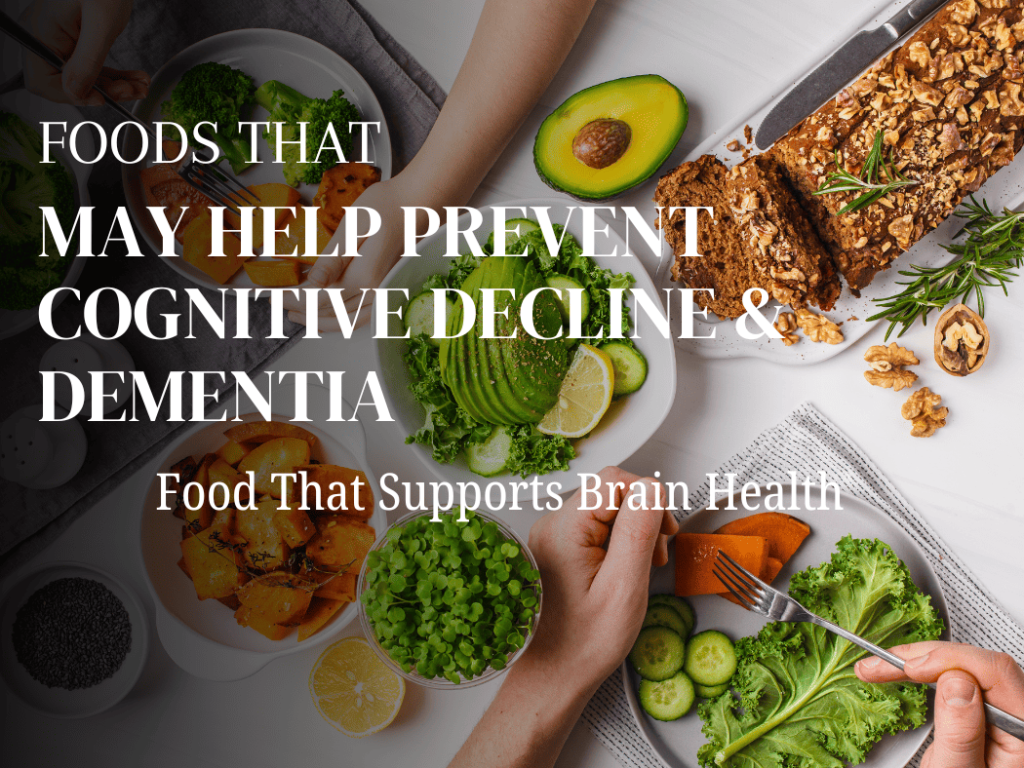
As people live longer, concerns about memory loss and dementia naturally increase. While no single food or diet can guarantee protection against cognitive decline, growing research shows that what you eat plays a meaningful role in how your brain ages.
A brain-supportive diet can help reduce inflammation, improve blood flow, and support the connections between brain cells — all of which are critical for maintaining memory, focus, and independence later in life.
Here’s what science currently tells us about foods, dietary patterns, and habits that may help protect brain health and lower dementia risk.
Can Diet Really Influence Dementia Risk?
Yes — diet appears to be one of the most impactful modifiable lifestyle factors linked to cognitive health.
Research increasingly shows that nutrition affects dementia risk both directly and indirectly. Certain foods support brain cells and reduce oxidative stress, while others influence conditions like heart disease, diabetes, and high blood pressure — all of which are strongly associated with dementia.
That said, diet works best as part of a whole-health approach, which also includes:
- Regular physical activity (at least 150 minutes per week)
- Not smoking
- Limiting alcohol intake
- Staying mentally and socially engaged
- Managing chronic conditions like diabetes and hypertension
7 Foods That Support Brain Health and May Reduce Dementia Risk
The following seven foods and food groups support brain health and may help lower the risk of cognitive decline and dementia.
1. Fruits and Vegetables (Especially Berries and Leafy Greens)
Colorful fruits and vegetables are packed with antioxidants, vitamins, and plant compounds that help protect the brain from inflammation and oxidative damage.
Berries, such as blueberries and strawberries, are particularly powerful. They contain flavonoids that have been linked to slower cognitive aging. In one long-term study, older women who regularly consumed blueberries experienced delayed cognitive decline by up to two and a half years.
Leafy greens, including spinach, kale, and collard greens, are rich in folate, vitamin K, and carotenoids — nutrients associated with better memory and slower brain aging.
Other folate-rich vegetables include:
- Broccoli
- Asparagus
- Brussels sprouts
- Cantaloupe
2.Fatty Fish and Omega-3 Fatty Acids
Fatty fish are one of the best natural sources of omega-3 fatty acids, which play a critical role in brain structure and function.
Omega-3s help support:
- Neuronal communication
- Memory formation
- Reduced brain inflammation
Good options include:
- Salmon
- Sardines
- Tuna
- Mackerel
While omega-3s alone have not been proven to prevent dementia, diets rich in these fats are consistently linked to better cognitive performance and slower mental decline.
3. Walnuts and Other Brain-Healthy Nuts
Nuts provide healthy fats, antioxidants, and essential vitamins. Walnuts stand out because they also contain omega-3 fatty acids, folate, and vitamin E.
Higher blood levels of vitamin E have been associated with:
- Better cognitive function
- Slower memory decline
- Reduced risk of neurodegenerative diseases
Regular nut consumption has also been linked to a lower risk of conditions such as Alzheimer’s disease and Parkinson’s disease.
4. Whole Grains
Whole grains support brain health by helping regulate blood sugar and improving cardiovascular function.
They provide nutrients such as:
- Vitamin E
- Fiber
- Magnesium
- B vitamins
Examples include:
- Oats
- Brown rice
- Quinoa
- Whole-grain bread and pasta
Replacing refined grains with whole grains has been linked to lower rates of dementia, diabetes, and cardiovascular disease.
5. Green Tea
Green tea contains compounds that may protect the brain from protein buildup associated with Alzheimer’s disease.
Some research suggests that green tea may help:
- Reduce tau protein accumulation
- Improve attention and working memory
- Protect neurons from damage
A population study in Japan found that people who regularly drank green tea showed fewer brain changes associated with dementia compared to those who did not.
6. Turmeric and Curcumin
Turmeric contains curcumin, a potent anti-inflammatory and antioxidant compound.
Curcumin may help:
- Reduce oxidative stress in the brain
- Improve communication between brain cells
- Limit inflammation linked to neurodegeneration
Populations that consume turmeric-rich diets, such as those in parts of India, tend to have lower reported rates of dementia. Some small studies have also found improvements in memory scores among individuals with Alzheimer’s disease who took curcumin supplements, though more research is needed.
7. Olive Oil (Especially Extra Virgin Olive Oil)
Extra virgin olive oil is a cornerstone of many brain-healthy diets.
It contains:
- Monounsaturated fats
- Polyphenols
- Anti-inflammatory antioxidants
Long-term studies show that people who regularly consume olive oil have:
- Better memory performance
- Improved language fluency
- Lower dementia-related mortality
One large study found that consuming at least 7 grams of olive oil daily was associated with a 28% lower risk of death from dementia.
Diets that help prevent dementia
Brain health is influenced not only by specific foods, but by overall dietary patterns. Certain eating approaches have been linked to better cognitive function and a lower risk of developing dementia over time.
The Mediterranean Diet
Time and again, the Mediterranean diet has been linked to better long-term health outcomes compared to a typical Western diet. A comprehensive 2025 review of multiple studies found that following this eating pattern was also associated with a lower risk of developing dementia, highlighting its potential role in protecting brain health as we age.
- Rather than focusing on restriction, the Mediterranean diet emphasizes balance and nutrient-dense foods, including:
- Regular consumption of whole grains, fresh fruits, and vegetables
- Lean protein sources, especially fatty fish rich in omega-3 fatty acids, along with moderate dairy intake
- Reduced intake of red meat and added sugars
- Replacing saturated fats with healthier fats from olive oil, nuts, and seeds
This combination supports cardiovascular health, reduces inflammation, and promotes steady blood sugar control — all of which are closely tied to cognitive function.
The DASH Diet
Originally developed to lower blood pressure, the DASH (Dietary Approaches to Stop Hypertension) diet also supports brain health.
Key components include:
- Low sodium intake
- Fruits and vegetables
- Whole grains
- Lean proteins
- Low-fat dairy
Studies indicate that the DASH diet may support brain health and reduce dementia risk by improving blood pressure control and lowering the risk of stroke, both of which are strongly linked to cognitive decline.
The MIND Diet
The MIND diet combines elements of the Mediterranean and DASH diets with a specific focus on neuroprotection.
It prioritizes:
- Leafy green vegetables
- Berries
- Nuts
- Beans
- Fish
- Whole grains
- Strict adherence can reduce Alzheimer’s risk by up to 53%
- Even moderate adherence may reduce risk by 35%
- Benefits appear especially strong among women and certain racial and ethnic groups
Foods to Limit for Brain Health
To support cognitive longevity, experts recommend limiting:
- Ultra-processed foods
- Foods high in saturated fats
- Excess red meat
- Refined sugars
- High-sodium packaged foods
These foods are associated with inflammation, vascular damage, and metabolic dysfunction — all of which can increase dementia risk.
Why Nutrition Matters as Cognitive Needs Change
As people age or experience early cognitive changes, nutrition becomes even more important. Balanced meals support:
- Energy levels
- Medication effectiveness
- Mood and emotional well-being
- Physical strength and independence
For many older adults, support with meal planning, grocery shopping, and daily routines can make a meaningful difference in maintaining brain health and quality of life.
What Foods Should You Avoid to Help Protect Brain Health?
Just as some foods support cognitive health, others may increase inflammation, impair blood flow to the brain, and raise the risk of conditions linked to dementia. To support long-term brain health, experts — including the Alzheimer’s Association — recommend limiting the following:
- Ultra-processed foods, which are often high in additives, preservatives, and unhealthy fats that contribute to inflammation
- Foods high in saturated fat, such as prepackaged desserts and full-fat dairy products made with heavy cream
- High-cholesterol foods, including frequent consumption of red and processed meats
- Refined sugars, like corn syrup and white sugar commonly found in packaged snacks and baked goods
- High-sodium foods, which can raise blood pressure and increase the risk of stroke — a major contributor to cognitive decline
Reducing these foods supports heart and vascular health, helps regulate blood sugar, and may lower the risk factors most closely associated with dementia.
How Assisting Hands Home Care Supports Brain-Healthy Nutrition at Home
Eating well sounds simple, but for many older adults, it becomes harder over time. Changes in mobility, memory, appetite, or energy can make meal planning and preparation stressful — which often leads to skipped meals or reliance on processed foods.
This is where in-home caregivers make a meaningful difference.
At Assisting Hands – Forsyth, GA, caregivers support seniors with daily nutrition in ways that directly align with brain-healthy eating habits, including:
- Helping plan balanced meals based on doctor or dietary recommendations
- Preparing fresh, nutrient-dense foods like vegetables, fish, and whole grains
- Encouraging hydration and regular meal schedules
- Assisting with grocery shopping for brain-healthy foods
- Providing companionship during meals, which supports appetite and emotional well-being
For seniors living with diabetes, heart disease, or early cognitive changes, having consistent support around meals can help reduce dementia risk factors while preserving independence and dignity.
Good nutrition is not just about food — it’s about routine, consistency, and care, all of which play a role in long-term brain health.

