

November is National Family Caregivers Month, a time each year to recognize the people caring for an aging parent, spouse, or relative. For many, that care happens from another city or state. If your mom or dad lives in Las Vegas or Henderson while you live in Southern California, Arizona, or across the country, you know how challenging that distance can be.
The Caregiving in the U.S. 2025 report from AARP and the National Alliance for Caregiving estimates that 63 million people in the U.S. provide unpaid care to a family member or friend. About 1 in 10 live an hour or more from the person they care for. You can’t stop by after work, check the fridge on a Tuesday night, or notice a small change in your parent’s routine simply by being there.
Distance makes caregiving harder, but it doesn’t mean you can’t stay involved. With the right routines, local support, and regular communication, you can help your loved one stay safe and well cared for even when you live miles away. These 10 tips are a good place to start.
What Is Long-Distance Caregiving?
The National Institute on Aging defines long-distance caregiving as caring for someone who lives an hour or more away. You won’t handle most daily tasks yourself. Instead, you coordinate them. For most families, that includes:
- Scheduling doctor’s appointments and arranging rides
- Hiring in-home caregivers and checking in with them
- Paying bills and watching for scams or missed payments
- Tracking medications and changes in health
- Offering emotional support by phone or video
- Helping your loved one plan ahead for future care decisions
1. Start With an Honest Conversation About Needs
Ask your loved one what has gotten harder lately. Bathing, cooking, driving at night, and keeping up with mail are common answers. Needs change, especially with a chronic condition or memory loss, so set a standing call on the same day each week and keep asking.
2. Keep a Shared Care Log
A care log is one running record of your loved one’s health. Include medications and doses, doctors’ names and phone numbers, recent hospital visits, and any changes you or others notice. Keep it in a shared online document so anyone who visits can add to it, and have it open during every appointment.
3. Build a Local Support Network
You need people on the ground. Think about neighbors, a nearby relative, friends from church, or members of a senior center or club. Many Las Vegas Valley retirees live in 55+ communities like Sun City Summerlin or Sun City Anthem, where neighbors often look out for each other. Choose at least one person who lives close by and can respond quickly in an emergency and make sure they have a key or a lockbox code.
4. Set Up a Shared Calendar and Simple Tech
A shared online calendar keeps everyone on the same page about appointments, caregiver shifts, and visits. Pair it with tech your loved one will use, like a tablet set up for video calls or a phone with large-text settings. Spend part of your next visit teaching them how to use it, and how to spot scam calls and texts.
5. Get Permission to Talk with Their Doctors
Doctors can’t share health information with you unless your loved one signs a HIPAA authorization form naming you. Ask them to sign one at each provider’s office. Once that’s done, you can join telehealth visits by video, ask questions, and hear the care plan firsthand instead of secondhand.
6. Make an Emergency Plan

Decide now what happens if your loved one falls or ends up in the hospital. Post a list of emergency contacts, medications, and doctors on the refrigerator, where first responders tend to look. A medical alert device with fall detection can call for help even if your loved one can’t reach the phone.
7. Plan for Las Vegas Summer Heat
Summer heat in Southern Nevada is a real health risk for older adults, especially those with heart conditions or on certain medications. Have the air conditioner serviced before summer and agree on a daily check-in during heat warnings. Make sure someone nearby knows to check on your loved one if the power or the A/C goes out.
8. Make Every Visit Count
Visits are short, so plan them. Ask your loved one ahead of time what they’d like help with and check in with anyone providing daily care. While you’re there, look for signs that things are slipping such as expired food, unopened mail, unpaid bills, unexplained bruises, weight loss, or new dents on the car.
Leave time for things that have nothing to do with caregiving. A drive out to Red Rock Canyon, lunch at a favorite restaurant, or an afternoon looking through old photos matters to both of you.
9. Get Legal and Financial Paperwork in Order
These conversations are uncomfortable, but they protect your loved one and prevent family conflict later. Your loved one chooses their own health care agent and financial power of attorney and signs their own will and advance directive. Your role is to start the conversation, help them find an elder law attorney, and keep copies once the documents are signed.
While you’re at it, find and securely store important records including Social Security card, birth and marriage certificates, insurance policies, bank and retirement account details, and the deed to the home.
10. Bring in Professional In-Home Care
At some point, phone calls and visits aren’t enough. A professional caregiver can provide the hands-on help you can’t give from a distance like bathing, meals, medication reminders, light housekeeping, and companionship. For long-distance families, a good home care agency also gives you a local point of contact who can tell you how your loved one is really doing.
Take Care of Yourself, Too
National Family Caregivers Month is also a reminder that caregivers need support. Long-distance caregivers deal with travel costs, missed work, and the guilt of not being there. If you work, ask your employer whether you qualify for leave under the Family and Medical Leave Act. And accept help when it’s offered. You don’t have to do this alone.
Long-Distance Caregiving Resources in Southern Nevada
- Nevada Care Connection: The state’s Aging and Disability Resource Center network, which helps families find local services.
- Nevada 211: A free referral line for food, transportation, utility help, and other services. Dial 211.
- Caregiver Action Network: The organization that leads National Family Caregivers Month, with free tools for family caregivers.
In-Home Care for Long-Distance Families from Assisting Hands
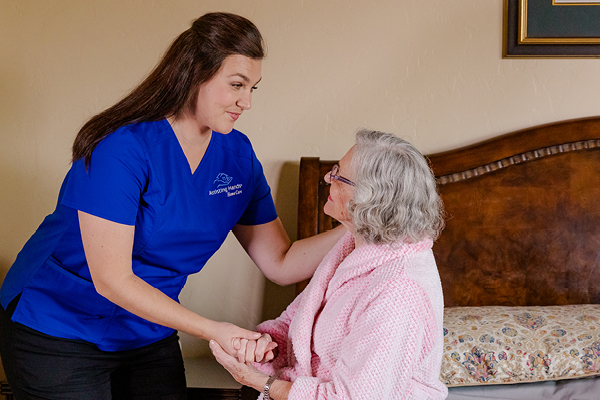
When you can’t be there every day, Assisting Hands Home Care South Central Las Vegas can. Our caregivers provide non-medical senior in-home care that helps older adults stay safe and independent at home.
Caregivers help with bathing, grooming, and toileting, prepare meals, give medication reminders, and keep the home clean and clutter-free. We also offer Alzheimer’s and dementia care, post-surgical care, respite care, and 24-hour and live-in care. For families who live out of state, that means one trusted local team and someone to call when you have questions.
We serve families in Las Vegas, Henderson, Paradise, and Summerlin. Our caregivers are licensed, bonded, and insured. This National Family Caregivers Month, give yourself some peace of mind. Call (725) 696-9942 to schedule a free in-home consultation for your loved one.
Long-Distance Caregiving and National Family Caregivers Month FAQs
What is National Family Caregivers Month?
National Family Caregivers Month is observed every November to recognize family caregivers and connect them with support. Caregiver Action Network has led the observance nationally since 1997.
How do I know if my parents in Las Vegas needs in-home care?
Common signs include missed medications, spoiled food in the fridge, unpaid bills, falls or near-falls, weight loss, and a home that’s harder to keep up. If you notice these on a visit or hear about them from a neighbor, it may be time for a home care assessment.
Can a home care agency keep me updated if I live out of state?
Yes. Many families who live far away choose in-home care because the agency gives them a local contact. Ask any agency you’re considering how and how often they share updates with family.
What legal documents should long-distance caregivers help put in place?
Most families start with a durable power of attorney for finances, a health care power of attorney, an advance directive, a will, and a HIPAA authorization for each doctor. Your loved one signs these documents. An elder law attorney can help you both understand the options.
How can I help a parent in Las Vegas stay safe during summer heat?
Have the A/C serviced before summer, check in daily during heat warnings, and keep water and cool, easy meals in the house. Make sure someone nearby can check on them quickly if the power goes out.


