
When it comes to in-home care for seniors and adults with disabilities, understanding the different types of care available is essential for making the right choice. Two of the most common and often confused options are companionship care and personal care. While both play a vital role in supporting independence and quality of life, they meet different needs.
Companionship care focuses on providing emotional support and social interaction, whereas personal care offers hands-on assistance with daily activities such as bathing, dressing, and mobility. In this blog, we’ll break down the key differences between these two types of care so you can determine which best fits your loved one’s situation.
What is Personal Care?
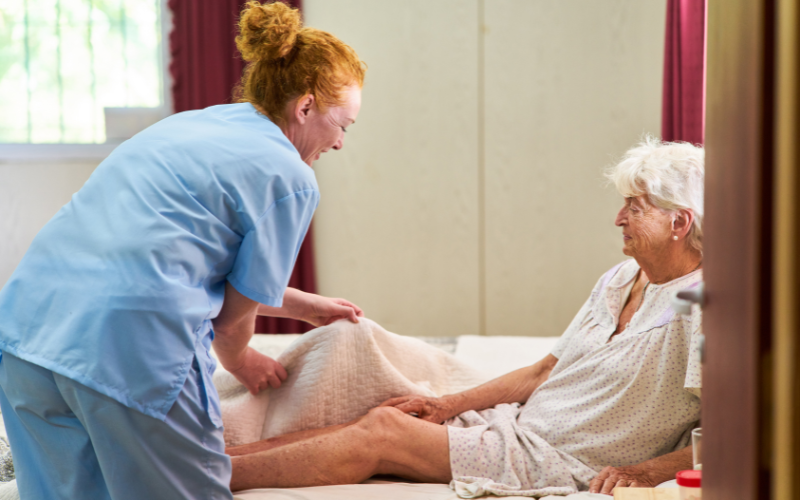
Personal care is care that involves hands-on assistance with daily activities that a person may struggle to do on their own due to age, illness, or disability. This type of care is focused on maintaining the individual’s health, hygiene, and overall well-being, helping them stay safe and comfortable in their home.
Examples of personal care include:
- Bathing and grooming: Helping with showers, hair care, and oral hygiene.
- Dressing and undressing: Assisting with clothing choices and putting on garments, including adaptive clothing if needed.
- Mobility support: Helping clients move safely around their home, use walkers or wheelchairs, and prevent falls.
- Toileting assistance: Supporting bathroom use or incontinence care with dignity and respect.
- Medication reminders and management: Ensuring medications are taken on time and in the correct dosage.
- Meal preparation and feeding support: Preparing nutritious meals and assisting with eating if necessary.
Personal care is highly individualized, tailored to the specific needs of the client, and often requires trained caregivers who can provide safe, compassionate, and respectful support.
Why Do Seniors Need Personal Care?
As people age, everyday tasks that were once simple can become challenging due to physical limitations, chronic conditions, or cognitive changes. Personal care services help seniors maintain their independence, safety, and quality of life while providing the support they need to live comfortably at home.
Seniors may need personal care for several reasons:
- Mobility challenges: Difficulty walking, climbing stairs, or moving safely around the home can increase the risk of falls.
- Chronic health conditions: Arthritis, heart disease, or other medical issues may make tasks like bathing or dressing painful or unsafe.
- Cognitive changes: Conditions like dementia or Alzheimer’s can impact a senior’s ability to remember daily routines or manage self-care independently.
- Medication management: Seniors often take multiple medications that need careful timing and monitoring.
- Maintaining hygiene and nutrition: Assistance with grooming, bathing, and meal preparation ensures overall health and prevents complications.
By providing support with these essential tasks, personal care helps seniors stay in their own homes longer, maintain dignity, and reduce the stress and risk associated with daily activities.
What is Companionship Care?
 Companionship care focuses on providing social interaction, emotional support, and assistance with everyday non-medical activities. Unlike personal care, it does not involve hands-on medical or physical assistance but plays a crucial role in enhancing a senior’s mental and emotional well-being, preventing loneliness, and promoting an active, fulfilling lifestyle.
Examples of companionship care include:
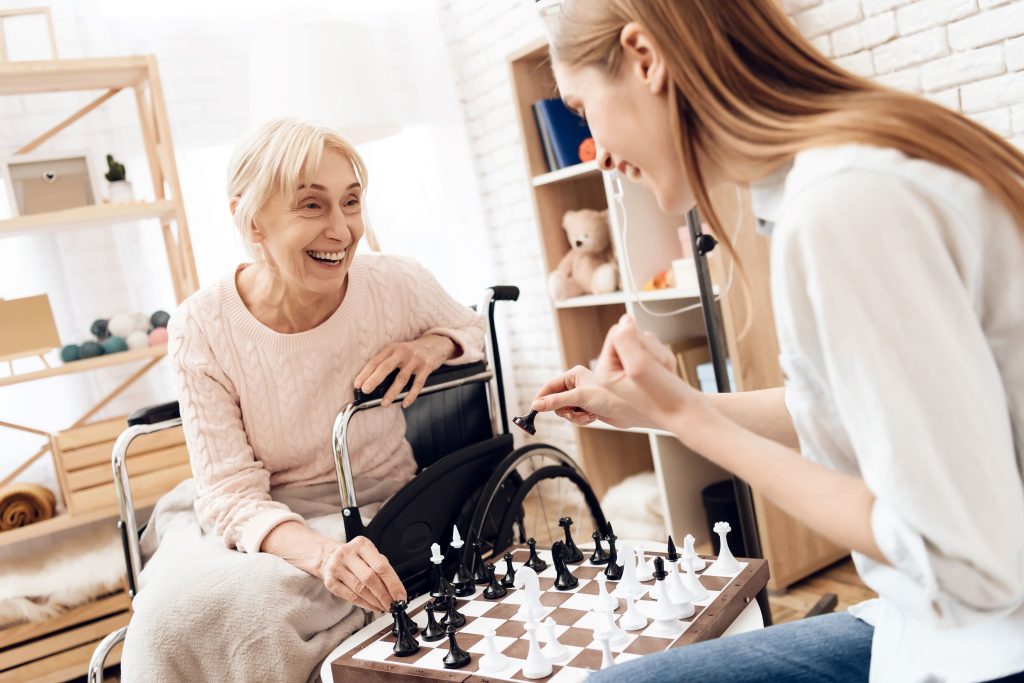
- Conversation and social interaction: Spending time talking, playing games, or sharing hobbies to reduce isolation.
- Accompaniment to appointments or errands: Providing transportation or simply going along for support and company.
- Meal-time companionship: Eating together, helping with light meal prep, or simply ensuring seniors are not eating alone.
- Light housekeeping: Tasks such as laundry, tidying up, or washing dishes to create a comfortable living environment.
- Engaging in activities and hobbies: Reading, crafting, gardening, or attending community events together.
- Reminders and check-ins: Gentle reminders for daily routines, social engagement, or appointments.
Why Do Seniors Need Companion Care?
 As people age, maintaining social connections and staying engaged in daily activities becomes just as important as physical health. Companion care helps seniors combat loneliness, reduce stress, and maintain a sense of purpose, all of which are vital for emotional and cognitive well-being.
Seniors may need companion care for several reasons:
- Preventing isolation: Many seniors live alone or have limited social interaction, which can lead to depression or anxiety.
- Encouraging mental stimulation: Engaging in conversation, games, or hobbies keeps the mind active and can slow cognitive decline.
- Supporting independence: Companions assist with errands, appointments, and activities, helping seniors continue to live at home safely.
- Promoting healthy routines: Gentle reminders for meals, hydration, and daily schedules help maintain overall wellness.
- Enhancing quality of life: Simply having someone to share experiences with provides emotional comfort, joy, and reassurance.
By addressing both emotional and practical needs, companion care ensures seniors stay connected, supported, and engaged, contributing to a happier, healthier, and more independent life.
Choosing Between Personal Care and Companion Care
Deciding between personal care and companion care depends on the specific needs, abilities, and lifestyle of the senior. While both types of care aim to improve quality of life, they serve different purposes and can even complement each other.
Here are some factors to consider when choosing the right care:
- Level of physical assistance needed: If a senior struggles with bathing, dressing, mobility, or other daily tasks, personal care is essential.
- Emotional and social needs: Seniors who are mostly independent physically but feel isolated or lonely may benefit more from companion care.
- Health conditions: Chronic illnesses, cognitive decline, or medical concerns often require the hands-on support provided by personal care.
- Lifestyle and interests: Seniors who want to remain active in hobbies, community events, or social activities can gain great value from companion care.
- Budget and care plan: Some families choose a combination, starting with companion care for social support and adding personal care as needed.
Ultimately, the best approach is often a personalized care plan tailored to the senior’s unique needs. By carefully evaluating both physical and emotional requirements, families can ensure their loved ones receive the right level of support to stay safe, healthy, and happy at home.
Personal Care and Companionship from Assisting Hands Home Care
 Choosing the right type of in-home care is an important decision that can significantly impact a senior’s safety, independence, and overall well-being. Personal care provides hands-on support for daily tasks and health needs, while companion care focuses on emotional support, social interaction, and quality of life. In many cases, a combination of both services can offer the most comprehensive support.
If you’re considering care for a loved one, don’t wait—explore your options today. Connect with Assisting Hands Home Care to discuss your senior loved one’s unique needs and create a personalized care plan that ensures they stay safe, comfortable, and happy at home.
Call us at (725) 696-9942 to learn more about the senior companionship care services we offer in Las Vegas, Henderson, Paradise, and Summerlin, NV.


