

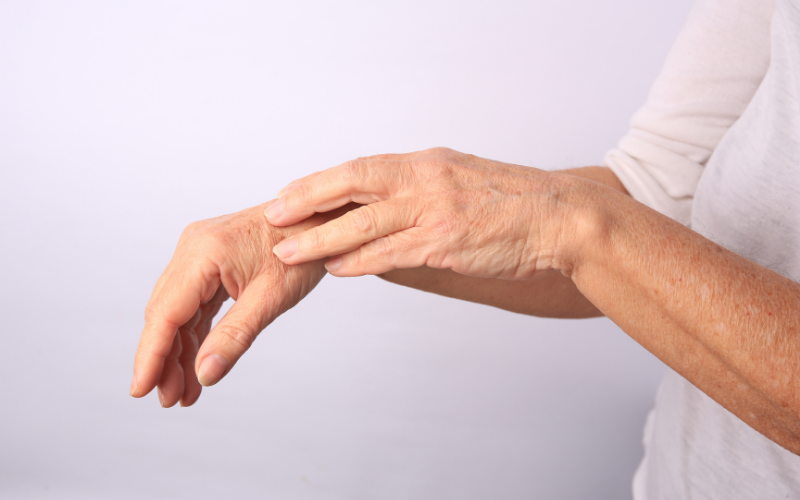
Most families notice it eventually: a parent’s forearms marked with purple patches, and no one can remember a fall or a bump that caused them. Easy bruising is one of the most common skin changes in older adults. As skin ages, it thins, loses its protective fat layer, and the blood vessels underneath become more fragile. A light bump against a countertop that would leave no mark on younger skin can produce a large, dark bruise on an 80-year-old.
Most of these bruises are harmless. Some are not. Knowing the difference matters, because bruising can also point to medication problems, nutritional gaps, or underlying health conditions that need a doctor’s attention.
Why Do Seniors Bruise More Easily?
Three age-related changes work together here. The skin itself becomes thinner and less elastic, so there is less cushioning between the surface and the blood vessels below. The layer of fat under the skin shrinks, removing more of that natural padding. And the walls of small blood vessels weaken over time, so they break under pressure that younger vessels would absorb.
In Las Vegas, there is a fourth factor: sun. Decades of exposure to the desert sun breaks down collagen and weakens vessel walls, particularly on the forearms and backs of the hands. That is why seniors who have spent years in the Valley often bruise most visibly in exactly those spots.
Common Types of Bruising in Older Adults
Actinic Purpura (Senile Purpura)
Actinic purpura shows up as flat purple or dark red patches, usually on the forearms and hands. It is caused by long-term sun damage rather than injury, which makes it especially common among long time Las Vegas residents. The patches can appear after minimal contact, or with no remembered contact at all, and often take longer to fade than an ordinary bruise. Actinic purpura is generally harmless, but it is worth mentioning to a doctor at the next visit so it can be confirmed.
Bruising from Everyday Handling
Simply helping an older adult dress, bathe, or transfer from a chair can leave marks on fragile skin. A firm grip on the arm during a transfer is a frequent culprit. This is not a sign of rough treatment; it is a sign that caregivers need to adjust techniques, such as supporting under the arm with an open palm rather than gripping.
Bruising from Medical Procedures
Blood draws, IV lines, and injections commonly leave bruises on older adults because fragile vessels leak more after a needle stick. These bruises can look dramatic but usually fade within two weeks. Applying firm pressure for a few minutes after a blood draw helps limit them.
Bruising from Limited Mobility
Seniors who spend long periods in bed or in a chair can develop bruising and skin damage at pressure points. Regular repositioning protects the skin and improves circulation. If pressure-related marks do not fade when the pressure is relieved, contact a doctor, since this can be an early stage of a pressure injury rather than a simple bruise.
Medications and Health Conditions That Cause Bruising
Some of the most common causes of unexplained bruising in seniors come from the medicine cabinet, not from bumps:
- Blood thinners such as warfarin, apixaban, and rivaroxaban
- Aspirin and NSAIDs like ibuprofen and naproxen
- Corticosteroids, both oral and topical, which thin the skin with long-term use
- Some supplements, including fish oil, vitamin E, and ginkgo biloba, which can add to bleeding risk when combined with the medications above
Certain health conditions also make bruising more likely, including low platelet counts, liver disease, and deficiencies of vitamin C or vitamin K. This is why new or worsening bruising should always be mentioned to a doctor, even when it seems minor. Never stop or adjust a prescribed medication because of bruising without talking to the prescriber first.
When Is Bruising in the Elderly a Warning Sign?
Call the doctor if you notice any of the following:
- Bruises that appear frequently with no known cause
- Bruising on the trunk, back, or face rather than arms and legs
- A bruise that keeps growing, or one that has not faded after two to three weeks
- Bruising alongside bleeding gums, frequent nosebleeds, or blood in urine or stool
- A hard, painful lump under a bruise (a possible hematoma)
- Sudden clusters of bruises after starting a new medication
Any bruising on the head after a fall deserves prompt medical attention, especially for someone on blood thinners, even if they feel fine.
How to Treat a Bruise on Elderly Skin
For an ordinary bruise, home care is usually enough:
- Cold compress first: During the first day or two, apply a cold pack wrapped in a cloth for 10 to 15 minutes at a time. Never place ice directly on aging skin, which is more vulnerable to cold injury.
- Elevate the area: If the bruise is on an arm or leg, propping it above heart level on pillows reduces swelling and pooling.
- Protect the skin while it heals: A long sleeve or a light wrap can prevent the same spot from being bumped again. Avoid tight bandages, which can damage fragile skin when removed.
- Switch to warmth after 48 hours: A warm (not hot) compress can help the body reabsorb the pooled blood once swelling has settled.
Vitamin K creams are sometimes marketed for bruising, and some small studies suggest a modest benefit, but the evidence is limited. Check with a doctor or pharmacist before adding any topical product, especially for someone with thin or broken skin.
How to Prevent Bruising in Seniors
- Prevent falls first: Falls cause the most serious bruises and the injuries that come with them. Good lighting, clear walkways, grab bars, and removing loose rugs all lower the risk. Our fall prevention services focus on exactly these home safety measures.
- Pad the problem spots: Corner guards on sharp furniture edges, padded armrests, and long sleeves during activities all reduce the impact of everyday bumps.
- Review medications regularly: Ask the doctor or pharmacist to review the full medication and supplement list at least once a year, and any time bruising increases. Sometimes a dose adjustment or an alternative drug reduces bruising without compromising treatment.
- Support skin health through diet: Vitamin C helps build collagen, and vitamin K supports normal clotting. Citrus, bell peppers, and leafy greens cover both. Staying hydrated also keeps skin more resilient, which is no small task in the desert. Help with meal preparation can make it easier to keep these foods in the daily rotation.
- Take sun protection seriously. In Las Vegas, sun damage is the main driver of actinic purpura. Sunscreen, long sleeves, and a wide-brimmed hat protect the forearms and hands, the areas that bruise most.
- Moisturize daily. Well-moisturized skin is more flexible and less prone to tears and bruising. A fragrance-free lotion applied after bathing works well.
How In-Home Care Helps Seniors with Fragile Skin

A trained caregiver reduces bruising risk in ways that are hard to manage from a distance. Caregivers use proper transfer techniques that protect fragile skin, keep walkways clear and well lit, help with bathing and dressing gently, prepare meals that support skin health, and notice new bruises early so families and doctors can respond. For seniors living alone, that daily set of eyes is often the difference between catching a medication problem in week one and discovering it months later.
Assisting Hands Home Care provides senior in-home care in Las Vegas, Paradise, Henderson, Summerlin and the surrounding areas. Our caregivers are trained in fall prevention and safe transfer techniques, and we build each care plan around your loved one’s specific needs. Call us at (725) 696-9942 to learn more about our home care services and schedule a free consultation.


