

One of the major goals of the Thriving at Home approach that we follow at Assisting Hands is to avoid readmission to the hospital. Return trips increase costs and present considerable health risks.
Part 1 of this topic covered the reasons for readmission. Here we will discuss some techniques to help reduce the chances of a readmission.
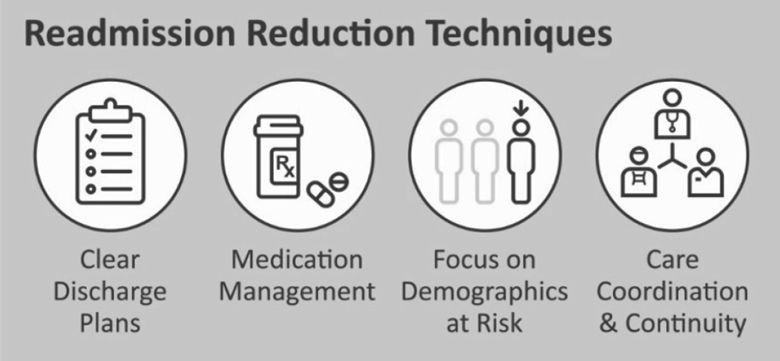
Clear Discharge Plans
Hospitals vary in how they treat the discharge process. If you feel confused by your discharge paperwork, don’t be afraid to ask questions! A good strategy is to have someone at the hospital with you to go over the instructions. A family member or caregiver can help advocate for you.
Medication Management
Make sure you have a list of any new medications and where and when you need to refill them. Ask about side effects and interactions with other medication you are taking. Before you leave the hospital, go over the complete list with your provider to make sure you understand when and how much of each to take.
Focus on Demographics at Risk
This is mostly something the hospital needs to think about, but you can help them! Your provider should make everything clear and understandable, and you should mutually agree on a plan for when you get home. Remember, non-compliance is a big contributor to being readmitted. Once you agree on a plan, you need to stick to it!
Care Coordination and Continuity
Do you have a family caregiver at home to help you ease back into your routine? Has the doctor recommended in-home physical therapy or occupational therapy? Are you ready to be on your own at home? Resources for all these things exist – you don’t have to organize everything by yourself! Home care, home health, and care management companies can all help coordinate the details and complications of returning home after a hospital stay. Don’t be afraid to ask for help!
In Part 3, we will give examples of some questions you should ask your provider before leaving the hospital to make sure you are prepared to recuperate properly at home.

