
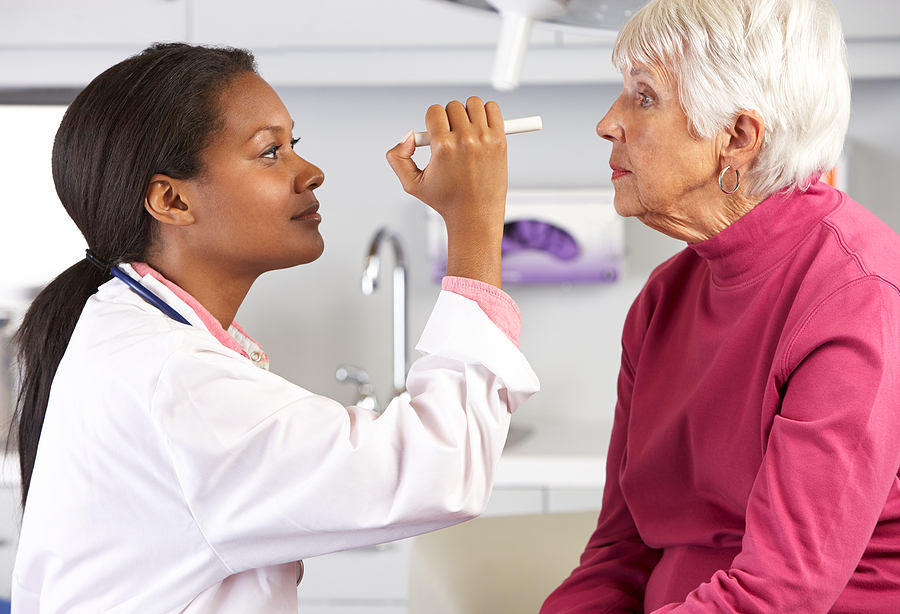
With age, the body undergoes various changes, including the eyes. For example, macular degeneration, a common age-related eye condition, poses a significant threat to seniors’ vision. It is very important to shed light on macular degeneration by looking into its causes, symptoms, and treatments, as well as stressing how important it is to find it early and make changes to your lifestyle. With help from an elder care team, seniors can begin to understand the impact this condition can have and how to manage it in a way that allows them to thrive.
Understanding the Basics of Macular Degeneration
Macular degeneration primarily affects the macula, a small but crucial part of the retina responsible for central vision. It comes in two main forms: dry macular degeneration and wet macular degeneration.
- Dry Macular Degeneration: Dry AMD is the more common form, occurring when the macula thins and breaks down over time. Drusen, tiny yellow deposits, may accumulate in the retina, leading to a gradual loss of central vision.
- Wet Macular Degeneration: Wet AMD, though less common, is more severe. It arises when abnormal blood vessels grow beneath the retina, leaking blood and fluid. This can cause rapid and severe central vision loss.
What Are the Risk Factors?
Understanding the risk factors associated with macular degeneration is crucial for early detection and preventive measures. The elder care team can provide seniors with additional education and support when looking at the risk factors, ensuring they understand what is happening to the best of their ability.
- Age: Macular degeneration is more common in individuals over the age of 50, with the risk increasing as people get older.
- Genetics: A family history of macular degeneration can elevate an individual’s risk.
- Smoking: Smoking is a significant modifiable risk factor, as it can double the chances of developing macular degeneration.
- Nutrition: A diet lacking in certain nutrients, such as antioxidants and omega-3 fatty acids, may contribute to the development and progression of AMD. This is another area where the elder care team can assist, offering healthy meal plans and more.
Recognizing Symptoms
Finally, seniors, the elder care team, and loved ones should be vigilant about recognizing the symptoms of macular degeneration and seeking prompt medical attention. Common symptoms include:
- Blurred or distorted central vision
- Difficulty recognizing faces
- Straight lines appear wavy
- Dark or empty areas in the central visual field
Diagnosis and Treatment
Early diagnosis is crucial for managing macular degeneration effectively. Regular eye exams, including a dilated eye exam, are essential for detecting early signs. While there is no cure for macular degeneration, certain treatments can help slow its progression and manage its symptoms. Some of those include the following:
- Anti-VEGF Injections: For wet AMD, medications like anti-VEGF agents can help inhibit the growth of abnormal blood vessels.
- Photodynamic Therapy: This treatment involves a combination of drug therapy and laser treatment to target abnormal blood vessels.
- Low Vision Aids: For those experiencing vision loss, low vision aids such as magnifiers and adaptive devices can enhance daily living.
Seniors can also adopt lifestyle changes in an effort to reduce the risk and slow the progression of macular degeneration, such as quitting smoking, following a healthy meal plan, and wearing protective eyewear that blocks harmful UV rays.
Macular degeneration can be a challenging reality for seniors, but with early detection, appropriate treatment, and lifestyle modifications, they can navigate the shadows and maintain a fulfilling quality of life. The elder care team and loved ones are also needed during this time to help seniors process the information they receive.
Sources:
https://www.nei.nih.gov/learn-about-eye-health/eye-conditions-and-diseases
https://www.hopkinsmedicine.org/health/conditions-and-diseases
https://my.clevelandclinic.org/health/diseases/15246-macular-degeneration
If You Or An Aging Loved One is Considering Elder Care in Brighton, CO, Please Contact The Caring Staff At Assisting Hands Home Care Today! 720-780-7755.

