
At Assisting Hands Home Care, we understand the importance of proper dementia care. We also understand the role that proper nutrition plays in the health and well-being of loved ones with dementia. We work with families and clients dealing with dementia daily. As a result, we have learned a great deal about the challenges they face and the solutions that have proven most effective.

Proper nutrition is a vital aspect of care for people with dementia.
Introduction
Explanation of the significance of nutrition and dementia care
Proper nutrition is a vital aspect of care for people with dementia. Dementia can impair a person’s ability to eat and drink, leading to weight loss and malnutrition. To combat this, it’s important to understand the significance of a well-balanced diet for people living with dementia. A nutritious diet can improve cognitive function, increase energy levels, and boost the immune system. This can not only improve quality of life but also slow down the progression of the disease.
Why we are writing about dementia care and nutrition
Our intent is to provide a guide to improving the nutrition of those living with dementia. We are passionate about sharing our knowledge and support for families caring for loved ones with dementia. By sharing what we have learned, we hope to provide comfort and care to those in need. Our goal is to bring awareness to the importance of proper nutrition in dementia care and make a difference in the lives of those affected.

Assisting Hands Home Care can help keep you or your loved one safe and happy at home
The Importance of Nutrition in Dementia Care
How dementia can affect a person’s eating habits
Dementia can impact a person’s eating habits in various ways, including:
- Memory loss and confusion can cause disinterest in food and mealtime.
- Difficulty swallowing, known as dysphagia, may occur.
- Impaired ability to use utensils and hands can make eating difficult.
- Changes in taste and smell can affect food preferences.
- Agitation and restlessness during mealtimes, common in advanced stages.
These symptoms can make mealtime a challenge for people with dementia and their caregivers. It’s important to understand these changes and take steps to support proper nutrition for people with dementia.
Importance of a well-balanced diet for loved ones with dementia
A well-balanced diet can provide numerous benefits for loved ones with dementia, including:
- Proper nutrition helps maintain overall health and prevent weight loss.
- Supports the immune system, reducing risk of infections.
- Helps to preserve cognitive function and slows down the progression of dementia.
- Improves energy levels and physical function.
- Promotes better sleep and overall well-being.
Maintaining proper nutrition is crucial for loved ones with dementia, as it can have a significant impact on their overall health and well-being. By providing a balanced and nutritious diet, people with dementia can experience improved physical and cognitive function, better sleep, and reduced risk of infections. Caregivers and families can work with healthcare professionals to ensure that people with dementia receive the necessary nutrients and maintain a healthy diet.
Tips for Improving Dementia Care Nutrition
Encouraging small, frequent meals
Small, frequent meals are essential for people with dementia. It helps them maintain a consistent and steady supply of nutrients throughout the day. Dementia can impact an individual’s appetite and memory, making it challenging for them to eat a full meal. By offering small, frequent meals, people with dementia are less likely to feel overwhelmed and are more likely to stay nourished. This approach also prevents fluctuations in blood sugar levels that can contribute to confusion and mood swings. Regular mealtimes also provide structure and routine, which can be reassuring and calming for loved ones with dementia. Overall, small, frequent meals play an important role in maintaining the health and well-being of people with dementia.
Offering nutritious snacks
Snacks can be a great way to add extra nutrients to an individual’s diet, especially for those with dementia who may have trouble eating full meals. It’s important to choose snacks that are high in vitamins, minerals, and protein to help maintain energy levels and support overall health. Some nutritious snack options include fruits, vegetables, nuts, cheese, and yogurt. Snacks can also provide an opportunity for People with dementia to practice their dexterity and independence. By offering a variety of nutritious snacks, individuals with dementia are more likely to find something they enjoy, and it can help them stay nourished and satisfied throughout the day. Assisting Hands can assist with meal planning and preparation, including providing nutritious snack options, to support the health and well-being of individuals with dementia.

Some nutritious snack options include fruits, vegetables, nuts, cheese, and yogurt.
Providing a safe and comfortable eating environment
Creating a safe and comfortable environment in which people with dementia eat can greatly impact their overall nutrition and health. Some ways to make mealtimes safer and more comfortable include:
- Ensure adequate lighting so our loved ones can see their food
- Make sure the table and chairs are at a comfortable height and distance
- Provide non-slip placemats or tablecloths to reduce the risk of spills and falls
- Avoid overcrowding the table or placing too many items on it
- Provide easy access to utensils, napkins, and condiments
Additionally, it’s important to create a calm and relaxed atmosphere during mealtimes. Background noise, such as televisions or music, should be kept to a minimum, and conversation should be light and positive. Mealtimes can also be a great opportunity for socialization and interaction with others, which can be beneficial for people with dementia. At Assisting Hands, we understand the importance of a safe and comfortable eating environment. Our caregivers work to create an atmosphere that supports the health and well-being of our clients.
Offering a variety of foods
Offering a variety of foods to people with dementia can have numerous benefits. Firstly, it can help keep their interest in meals high, preventing boredom from consuming the same meals day in and day out. Secondly, this can support a nutrient-rich diet, which is crucial for people with dementia. Thirdly, offering a variety of foods can foster independence and choice, allowing people with dementia to select the foods they prefer. This can also help accommodate their food preferences, which can change over time. By providing a variety of food options, people with dementia are more likely to find meals they enjoy and are excited to eat.
Working with a nutritionist
Working with a registered nutritionist can greatly benefit people with dementia and their caregivers. A nutritionist can provide personalized recommendations and meal plans, ensuring the individual receives the proper nutrients for their specific needs. They can also provide information on how to incorporate dementia-friendly foods and address any swallowing difficulties. As a result, regular check-ins with a nutritionist can promote the best possible nutrition for their health and wellbeing.
Conclusion
Final thoughts improving the nutrition of people with dementia
Dementia can have a significant impact on a person’s eating habits and overall health, making proper nutrition crucial. A well-balanced diet can provide numerous benefits for people with dementia, such as improved brain function and reduced symptoms. Encouraging small, frequent meals, offering nutritious snacks, creating a safe and comfortable eating environment, offering a variety of foods, and working with a nutritionist are all ways to improve dementia care nutrition.
In conclusion, it is crucial to understand that dementia care nutrition is not just about providing food. It’s about providing the right kind of food that will enhance their health and quality of life. Taking the steps above can play a crucial role in maintaining their overall health and improving their quality of life.
Information about Assisting Hands and the services we offer for people with dementia
Assisting Hands is a home care agency that provides comprehensive care services to people with dementia. Our team of trained and experienced caregivers is dedicated to helping our clients lead healthy and fulfilling lives. This includes providing nourishing meals and a safe and comfortable eating environment.
In addition to providing care at home, we also offer meal planning and preparation services. Our caregivers can help plan and prepare nutritious, well-balanced meals that take into account the individual’s unique needs and preferences. We can also help with grocery shopping and other errands related to meal preparation, so our clients and their families don’t have to worry about these tasks.
At Assisting Hands, we understand the importance of nutrition for people with dementia and we are committed to providing the best care possible. Our goal is to support our clients and their families, and help them lead healthy, fulfilling lives. If you want to learn more, schedule a consultation today.
Additional Reading on Nutrition and Dementia Care
“Healing Foods” by Michael Murray
A comprehensive guide to the health benefits of various foods and how they can be incorporated into a healthy diet. The book covers a wide range of topics, including the therapeutic properties of various fruits, vegetables, whole grains, and other foods. It provides information on how different foods can help with specific health concerns, such as heart disease, diabetes, and cancer. Additionally, the book includes recipes and meal plans to help readers put the information into practice. Overall, “Healing Foods” is a valuable resource for anyone looking to improve their health through diet and nutrition.
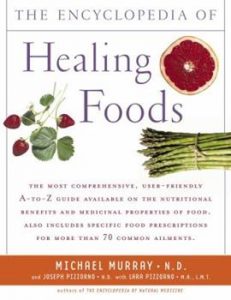
Encyclopedia of Healing Foods
by Michael T. Murray, Joseph E. Pizzorno, Lara U. Pizzorno
“Genius Foods” by Max Lugavere
A guide to maximizing brain function and overall health through diet. The book outlines the scientific evidence behind certain foods and nutrients that are known to positively impact the brain and provides practical tips and recipes to help readers incorporate these foods into their daily diets. The book covers a variety of topics including reducing inflammation, supporting brain plasticity, improving memory and cognitive function, and reducing the risk of age-related cognitive decline. With a focus on whole, nutrient-dense foods, “Genius Foods” provides a roadmap for optimizing brain health through diet.
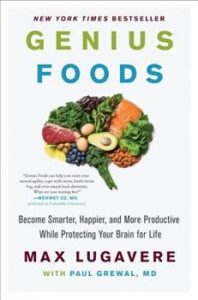
Genius Foods: Become Smarter, Happier, and More Productive While Protecting Your Brain for Life
by Max Lugavere, Paul Grewal, M.D., Paul Grewal
“The End of Alzheimer’s” by Dale Bredesen
A book that offers a comprehensive approach to reversing Alzheimer’s disease and cognitive decline. Dr. Bredesen, a leading expert in the field of Alzheimer’s research, argues that Alzheimer’s is not a single condition but instead a result of multiple factors that interact to cause the disease. He provides a program that addresses the underlying causes of the disease and offers practical steps to reverse its progression, including dietary changes, stress management, and improved sleep and exercise habits. The book is based on the author’s extensive research and the experience of hundreds of patients who have successfully reversed their symptoms through the program. It provides a hopeful and scientifically-backed approach for individuals with Alzheimer’s, as well as their families and caretakers.
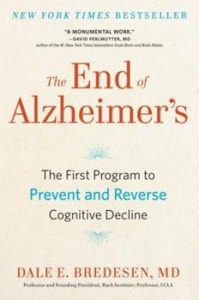
The End of Alzheimer’s: The First Program to Prevent and Reverse Cognitive Decline
by Dale Bredesen and Dale E. Bredesen

