
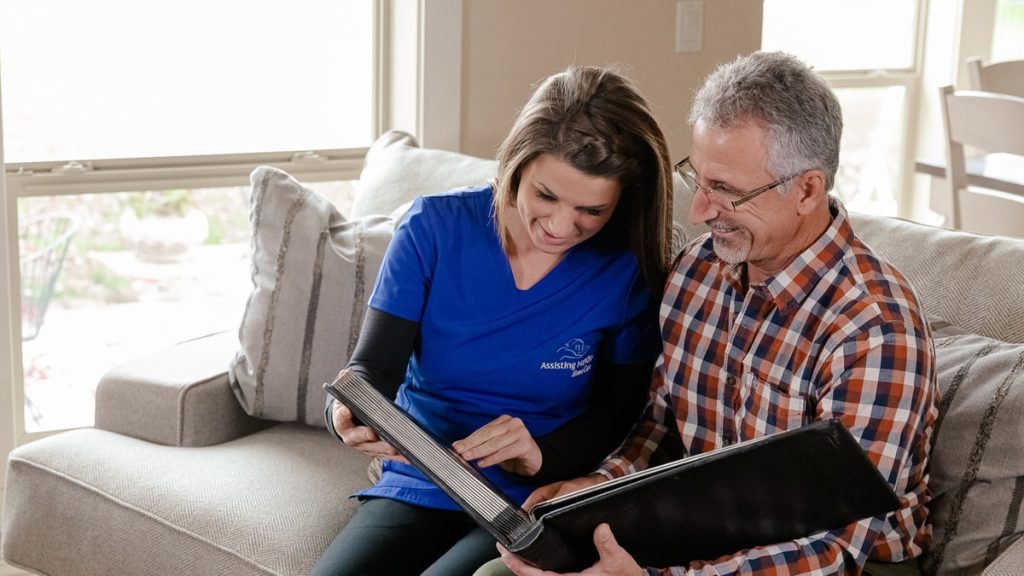
Dementia care at home means helping a loved one live safely and comfortably in their own home as memory and thinking change. For many families, home is the best place for someone living with dementia: the rooms, routines, and faces are familiar, and familiarity brings comfort. This guide covers what helps day to day, how to keep a loved one safe, and when to bring in help. If you are looking for support now, learn about our in-home dementia care in Jacksonville.
Why do many families choose dementia care at home?
People living with dementia often do best in surroundings they know. Moving to a new place can increase confusion and anxiety, especially in the early and middle stages. At home, a loved one keeps their own bed, their own chair, their neighbors, and the small routines that make a day feel normal.
Home is not right for everyone, and needs change over time. But with the right support, many people living with dementia stay at home for years.
What does dementia care at home include?
Care at home grows with a person’s needs. It often includes:
- Daily routines. Help getting up, washing, dressing, and getting ready for bed at the same times each day.
- Meals and drinks. Preparing familiar foods, eating together, and offering drinks often, since thirst can go unnoticed.
- Personal care. Bathing, grooming, and toileting, done with patience and respect for privacy.
- Safety. Watching for fall risks, wandering, and hazards in the kitchen and bathroom.
- Company and activity. Conversation, music, photos, walks, and simple tasks that give the day purpose.
- Relief for family. Time for a spouse or adult child to rest, work, and look after their own health.
How do you build a routine that helps?
A steady routine is one of the most helpful things a family can provide. Keep meals, rest, and bedtime at about the same times each day. Plan bathing, errands, and appointments for the time of day your loved one is at their best, which is often the morning. Keep evenings calm, with lights on before it gets dark. Write the routine down so anyone who helps can follow it.
How do you keep a loved one with dementia safe at home?
Safety needs change as dementia progresses. Start with these steps:
- Remove throw rugs and clutter, and add night lights along the path to the bathroom.
- Install grab bars and use a shower chair.
- Lock away medications, cleaning products, and sharp tools.
- Use stove shut-off devices or remove knobs if cooking is no longer safe.
- Add door chimes if wandering is a risk, and keep a recent photo of your loved one on hand.
- Make sure someone checks in every day, especially if your loved one lives alone.
How do you communicate with someone living with dementia?
As words become harder, tone and body language matter more. Approach from the front, say your loved one’s name, and speak slowly in short sentences. Offer simple choices instead of open questions. Avoid arguing or correcting. Respond to the feeling behind the words instead. Music, photos, and familiar stories often reach people when conversation is difficult.
What about late-day confusion and agitation?
Many people living with dementia become more confused or restless in the late afternoon and evening. This is often called sundowning. Busy days, fading light, hunger, and tiredness can all play a part. A calm evening, steady routines, and a quiet activity can help. New or sudden changes in behavior should be discussed with a doctor, since pain, infection, or medications can be the cause.
When is it time to bring in help?
Families often wait longer than they should. Consider help at home when:
- your loved one should no longer be alone for long stretches
- bathing, dressing, or toileting has become difficult or unsafe
- meals are being skipped
- wandering, falls, or kitchen safety have become a worry
- the family caregiver is exhausted, missing work, or getting sick
Starting with a few hours a week is common. It gives your loved one time to get to know a caregiver while needs are still manageable, and it gives the family caregiver regular relief.
How we help families in Jacksonville
Assisting Hands Home Care Serving Jacksonville Beaches provides non-medical in-home care for people living with dementia in Jacksonville, the Beaches, and St. Johns County. Care starts with a free in-home assessment, where we learn your loved one’s routine, history, and preferences. Our Care Coordinator works to send the same caregivers back, because familiar faces matter, and our team checks in with you regularly, including visits in person, so we all agree on what your loved one needs. Once care begins, you can reach us 24 hours a day.
Learn more about our in-home dementia and Alzheimer’s care, or contact us to arrange a free in-home assessment.
Frequently asked questions
Can someone with dementia live at home alone?
In the early stages, some people can, with regular check-ins. As dementia progresses, most people need someone with them for more of the day. A doctor and an in-home assessment can help you judge what is safe.
Is memory care at home different from memory care in a facility?
Memory care at home brings help into a person’s own home, one on one. A memory care facility is a residential setting with staff who serve many residents. The right choice depends on the person’s needs, safety, and the family’s situation.
How many hours of dementia care at home does a family need?
It depends on the person and the stage of dementia. Some families start with a few hours a week. Others need help most of the day. Needs usually grow over time, and care can grow with them.

