
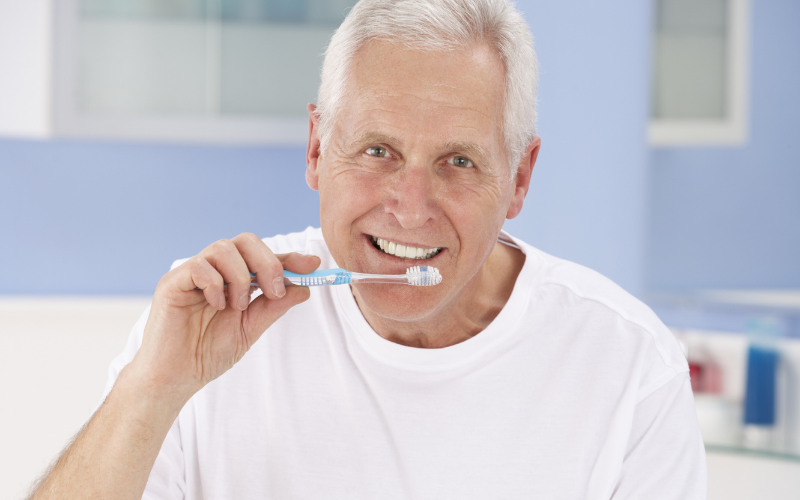
As we age, maintaining strong oral health becomes more than just a matter of having a bright smile, it’s a key component of overall wellness. For seniors, dental hygiene isn’t only about preventing cavities or gum disease; it plays a critical role in systemic health, including heart function, blood sugar regulation, and even brain health. Research increasingly shows a link between oral health and cognitive function as chronic gum inflammation and bacterial infections in the mouth may contribute to the risk of cognitive decline and conditions like dementia.
For older adults, routine dental care, including brushing, flossing, and regular professional cleanings can help reduce harmful oral bacteria, prevent gum disease, and support a healthier brain. In this blog, we’ll explore why dental hygiene is particularly important for seniors and how maintaining a healthy mouth can help protect cognitive function and enhance quality of life.
Why Dental Hygiene Becomes More Important with Age
As people grow older, maintaining good dental hygiene can become more challenging, yet it also becomes more important. Aging naturally increases the risk of several oral health issues, and without consistent care, these problems can quickly affect overall health and quality of life.
Many seniors experience common dental concerns such as gum disease, tooth decay, dry mouth, and tooth loss. Gum disease, also known as periodontitis, becomes more common with age and can lead to inflamed gums, bone loss, and loose teeth if left untreated. Tooth decay may also occur more easily in older adults, particularly along the gumline where roots become exposed. In addition, many seniors experience dry mouth, a condition that reduces saliva and allows bacteria to thrive, increasing the likelihood of cavities and infections.
Medications are often a major contributor to oral health problems in older adults. Many common prescriptions used to manage conditions like high blood pressure, depression, allergies, or chronic pain can reduce saliva production. Saliva plays an essential role in washing away food particles and neutralizing harmful acids, so when saliva levels drop, the risk of tooth decay and gum disease rises significantly.
Physical and cognitive changes can also make daily dental care more difficult. Conditions such as arthritis or reduced mobility can make brushing and flossing uncomfortable or harder to perform effectively. At the same time, seniors experiencing memory loss or cognitive decline may forget daily hygiene routines altogether, allowing plaque and bacteria to build up over time.
Poor oral health can also have a ripple effect on other aspects of a senior’s well-being. Painful teeth, loose dentures, or gum infections may make chewing difficult, which can lead to poor nutrition or avoidance of healthy foods like fruits, vegetables, and proteins. Dental problems can also affect speech and self-confidence, causing some seniors to withdraw socially or feel embarrassed about their smile.
The Connection Between Oral Health and Brain Health
In recent years, researchers have begun to uncover a surprising connection between oral health and brain health. While brushing and flossing are often associated with protecting teeth and gums, maintaining good dental hygiene may also play a role in supporting cognitive health as we age.
One of the key factors linking oral health and brain health is chronic inflammation. Gum disease, also known as periodontitis, is a bacterial infection that causes inflammation in the gums and surrounding tissues. When left untreated, this inflammation can become chronic and spread beyond the mouth. Long-term inflammation in the body has been associated with a variety of health problems, including cardiovascular disease and cognitive decline.
Another concern is the ability of harmful oral bacteria to enter the bloodstream. When gums are inflamed or bleeding due to gum disease, bacteria from the mouth can travel through the bloodstream and potentially reach other parts of the body, including the brain. Some studies suggest that these bacteria may contribute to inflammation in brain tissue or interact with proteins linked to neurological conditions.
Researchers have also found connections between severe gum disease and a higher risk of dementia and cognitive decline. While oral health problems do not directly cause dementia, ongoing studies suggest that chronic gum infections and the inflammation they trigger may increase the risk or accelerate cognitive changes in older adults.
Because inflammation appears to play a role in many age-related diseases, including those affecting the brain, maintaining good oral hygiene may help support overall neurological health. Regular brushing, flossing, and dental checkups can reduce harmful bacteria and inflammation in the mouth, making oral care an important part of a broader strategy for protecting both physical and cognitive well-being as we age.
Signs of Dental Problems Seniors Should Not Ignore
Oral health problems often develop gradually, which makes it easy to overlook early symptoms. However, recognizing warning signs early can prevent minor dental issues from becoming serious infections or long-term health problems. Seniors and their caregivers should pay close attention to changes in oral health and seek professional care when symptoms appear.
Some of the most common warning signs of dental problems include:
- Bleeding or swollen gums: Gums that bleed during brushing or appear red and swollen may be early signs of gum disease.
- Persistent bad breath: Chronic bad breath can indicate bacteria buildup, gum infection, or untreated tooth decay.
- Tooth sensitivity or pain: Sensitivity to hot, cold, or sweet foods may signal cavities, exposed tooth roots, or worn enamel.
- Loose teeth or changes in bite: Teeth that feel loose or shifts in how the teeth fit together when biting may be signs of advanced gum disease or bone loss.
- Difficulty chewing or swallowing: Pain while eating or avoiding certain foods can indicate dental damage, infection, or ill-fitting dentures.
- Dry mouth: A constant feeling of dryness in the mouth can increase the risk of cavities, gum disease, and oral infections.
These symptoms should never be ignored. Early treatment can help prevent complications, reduce discomfort, and protect overall health. If a senior experiences any of these warning signs, it’s important to schedule a dental appointment as soon as possible. Regular dental checkups and prompt care when problems arise can make a significant difference in maintaining long-term oral health.
Daily Dental Hygiene Tips for Seniors
Maintaining good oral health doesn’t require complicated routines, but consistency is essential. With a few simple daily habits, seniors can significantly reduce the risk of cavities, gum disease, and other dental problems while supporting their overall health.
Here are some practical dental hygiene tips seniors should follow:
- Brush twice a day with fluoride toothpaste: Brushing in the morning and before bed helps remove plaque, bacteria, and food particles that can lead to tooth decay and gum disease. Using a soft-bristled toothbrush and fluoride toothpaste helps protect enamel and strengthen teeth. Electric toothbrushes can also be helpful for seniors who have limited hand mobility.
- Floss daily or use floss alternatives: Flossing removes plaque and food debris from between the teeth where toothbrushes cannot reach. For seniors who find traditional floss difficult to use, alternatives such as floss picks, interdental brushes, or water flossers can make cleaning between teeth much easier.
- Stay hydrated to reduce dry mouth: Drinking water throughout the day helps maintain saliva production, which naturally cleans the mouth and neutralizes harmful acids. Limiting sugary beverages and caffeine can also help prevent dryness and reduce cavity risk.
- Use antimicrobial or fluoride mouth rinses: Mouth rinses can help reduce bacteria, strengthen teeth, and freshen breath. Depending on individual needs, dentists may recommend specific rinses designed to protect against cavities or gum disease.
- Clean dentures properly: Seniors who wear dentures should remove and clean them daily to prevent bacteria buildup and irritation. Dentures should be brushed with a denture cleaner, rinsed thoroughly, and soaked overnight if recommended.
- Schedule regular dental exams and cleanings: Professional dental visits are essential for detecting problems early and maintaining oral health. Dentists can identify issues such as gum disease, infections, or oral cancer before they become more serious.
How Caregivers Can Help Support Oral Hygiene
For many seniors, maintaining good dental hygiene becomes more difficult due to mobility limitations, health conditions, or cognitive changes. Family members and professional caregivers can play an important role in helping older adults maintain consistent oral care routines and identify potential dental issues early.
- Establish daily oral care routine: Gentle reminders to brush and floss each morning and evening can help seniors stay consistent with their dental hygiene habits. For individuals experiencing memory loss or cognitive decline, structured routines can make oral care feel more familiar and manageable.
- Assist with brushing and flossing: Conditions such as arthritis, tremors, or reduced hand strength can make it difficult for seniors to hold a toothbrush or floss effectively. In these situations, caregivers can help by preparing toothbrushes, using adaptive tools like electric toothbrushes or floss picks, or providing hands-on assistance when necessary.
- Watch for signs of dental discomfort or infection: Seniors may not always communicate dental pain clearly, especially if they have cognitive impairment. Caregivers should look for warning signs such as difficulty chewing, avoiding certain foods, swollen gums, bad breath, or complaints of mouth pain.
- Schedule regular dental appointments: Another important part of supporting oral health is making sure your senior loved ones visit the dentist regularly. Routine dental visits allow professionals to identify and treat issues early, helping prevent more serious complications.
- Communicate oral health concerns to healthcare providers: If there are any concerns about your loved one’s oral health, make sure to tell a healthcare provider such as their dentist and primary care physician. Because oral health can affect overall health, including nutrition, heart health, and cognitive well-being, sharing observations about dental symptoms helps ensure seniors receive comprehensive care.
With the support of attentive caregivers and consistent oral hygiene habits, seniors can maintain healthier smiles and better overall health as they age.
Supporting Oral Health with Assisting Hands Home Care

Maintaining good dental hygiene is an important part of healthy aging. From preventing gum disease and tooth decay to supporting proper nutrition and even protecting brain health, consistent oral care can have a significant impact on a senior’s overall well-being. However, daily hygiene routines can become more challenging as mobility issues, chronic conditions, or cognitive changes make self-care more difficult.
Professional caregivers from Assisting Hands Home Care can help seniors stay on track with daily routines, including personal hygiene, medication reminders, meal preparation, and transportation to important appointments such as dental visits. With the right assistance, older adults can maintain better health, independence, and quality of life while remaining safely in their own homes.
If your loved one could benefit from extra help at home, Assisting Hands Home Care provides reliable and compassionate senior home care services tailored to each individual’s needs. Our trained caregivers support seniors with daily routines, helping them maintain good hygiene habits and overall wellness.
Call Assisting Hands Home Care at (847) 448-0844 to learn how professional in-home care can help your loved one stay healthy, comfortable, and independent at home in Schaumburg, Hoffman Estates, Palatine, Elk Grove Village, Inverness, Rolling Meadows, Des Plaines, IL and the surrounding areas.


