
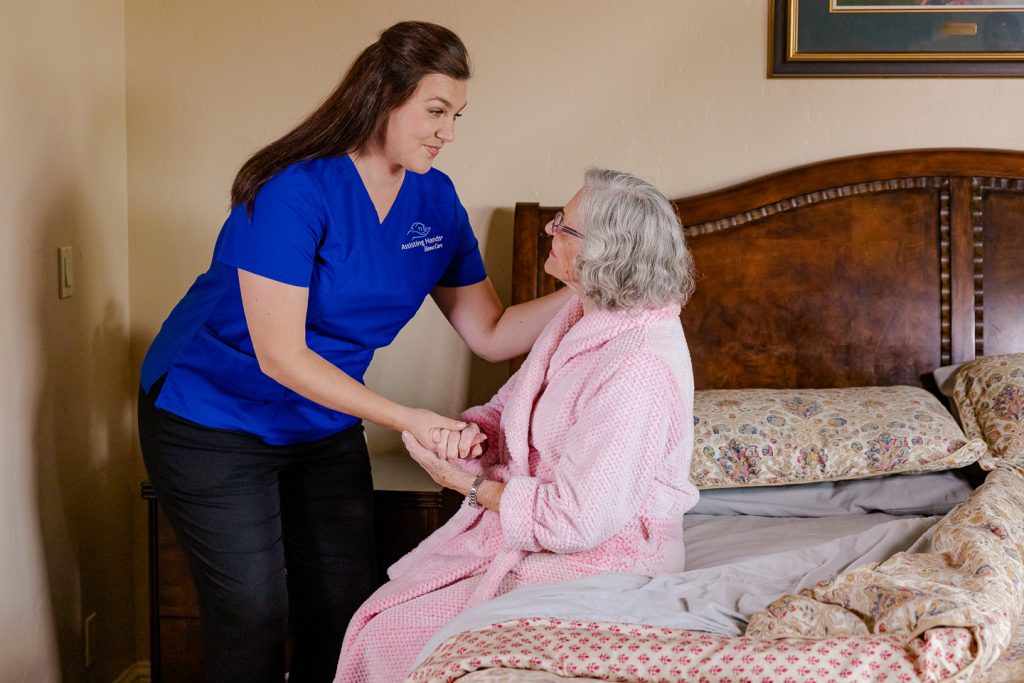
As the aging population in the United States continues to grow, more families are finding themselves taking on the responsibility of caring for an aging parent or loved one. While providing care for someone you love can be deeply rewarding, it can also be physically and emotionally demanding. Caregivers often become so focused on meeting their loved one’s needs that they overlook their own health, relationships, work, and family responsibilities.
Finding the right balance can be difficult. Family caregivers may want to continue supporting their aging loved one at home, but that does not mean they have to handle every responsibility on their own. Knowing when additional help is needed and understanding the available care options can make caregiving more manageable while helping both the caregiver and their loved one maintain a better quality of life.
In this article, we’ll explain what in-home caregiving is, what to consider when choosing between in-home care and an assisted living facility, and the benefits of having an in-home caregiver help support an aging parent at home.
What Is In-Home Care?
In-home care helps older adults remain in their own homes while receiving assistance with everyday activities and personal needs. Depending on their circumstances, a senior may need only a few hours of help each week or more consistent support throughout the day. The goal is to help seniors remain comfortable and independent while giving family caregivers additional support.
Unlike assisted living, in-home care allows seniors to stay in familiar surroundings and maintain their routines. Care can be personalized around their needs and may include:
- Personal care: Help with bathing, dressing, grooming, and other daily activities.
- Meals and housekeeping: Assistance with meal preparation, laundry, dishes, and light household tasks.
- Companionship: Conversation, hobbies, and social activities.
- Transportation: Rides to appointments, errands, and other outings.
- Respite care: Temporary support that gives family caregivers time to rest or manage other responsibilities.
In-home care can be especially helpful for seniors living with dementia, Parkinson’s disease, or other conditions that make daily tasks more difficult. By sharing some of the caregiving responsibilities, an in-home caregiver can support an aging parent while helping family members avoid becoming overwhelmed.
Signs It Might Be Time for In-Home Care

It can be difficult for families to recognize when an aging parent needs more support, especially when changes happen gradually. However, certain signs may indicate that some extra help at home could make everyday life safer and more manageable.
Some common signs it may be time to consider in-home care include:
- Difficulty with daily tasks: Your loved one is struggling with bathing, dressing, preparing meals, or keeping up with household chores.
- Changes in mobility: They have become less steady on their feet, are having trouble getting around the house, or have experienced a fall.
- Missed appointments or medications: They frequently forget important appointments, medication schedules, or other responsibilities.
- Poor nutrition: Meals are being skipped, groceries are running low, or your loved one has difficulty preparing healthy food.
- Increased isolation: They are spending more time alone and have stopped participating in activities or socializing with friends and family.
- Caregiver stress: Family members are becoming overwhelmed trying to balance caregiving with work, children, and their own responsibilities.
You do not have to wait for a crisis before seeking help. Even a few hours of in-home care each week can give your loved one additional support while giving family caregivers time to rest and take care of their own needs.
Factors to Consider When Choosing In-Home Care vs. Assisted Living
Choosing the right care arrangement for an aging loved one can feel overwhelming. Every family has different circumstances, and the right choice depends on your loved one’s care needs, preferences, budget, and daily routine. Whenever possible, include your loved one in the conversation so they can have a voice in decisions that affect their independence and quality of life.
Here are some important factors to consider when comparing in-home care with assisted living:
1. What Level of Care Is Needed?
Consider how much assistance your loved one needs throughout the day. In-home care can be a good option for seniors who need help with activities such as bathing, dressing, meals, transportation, housekeeping, or companionship while still being able to live safely at home. Care can also be scheduled around the hours when support is needed most.
Assisted living provides a more structured residential setting with staff available around the clock. It may be appropriate for seniors who need more consistent supervision and assistance throughout the day and would benefit from having care, meals, activities, and other services available in one location.
2. Consider the Cost of Care
The cost of care can vary significantly depending on the type and amount of support your loved one needs. With in-home care, families generally pay based on the hours of care provided, which may make it a practical option when only part-time assistance is needed. Assisted living typically involves a monthly cost that covers housing and a range of services, which can make it worth comparing carefully when more extensive or ongoing support is needed.
When comparing costs, look beyond the basic price and consider what services are included in each option, as well as how your loved one’s needs may change over time.
3. Consider Your Loved One’s Social and Emotional Needs
Where your loved one feels most comfortable is another important consideration. Many seniors prefer to remain in their own home, surrounded by familiar belongings, routines, neighbors, and memories. Staying home may be particularly appealing to someone who values privacy or already has strong connections with family and friends in the community.
Assisted living communities, on the other hand, offer built-in opportunities for social interaction. Residents can participate in group activities, meals, outings, and other events with their peers. This can be appealing to seniors who enjoy being around others and are comfortable adjusting to a new environment.
Ultimately, the decision is not simply about how much care your loved one needs. It is also about where they feel most comfortable, what type of support will help them remain safe, and which setting best fits their preferences and lifestyle.
Benefits of Having an In-Home Caregiver for Aging Parents
In-home care can benefit both aging parents and the family members who help care for them. By bringing support into the home, families can share caregiving responsibilities while helping their loved one maintain a familiar routine and greater independence.
1. Staying in a Familiar Home Environment
For many seniors, remaining at home means staying surrounded by familiar belongings, routines, neighbors, and memories. This can provide a greater sense of comfort and stability, particularly for those who find major changes in their environment difficult.
For family members, having a caregiver come to the home can provide reassurance that their loved one has support during the day without requiring them to move into a residential care setting.
2. Receiving Personalized, One-on-One Care
An in-home caregiver can tailor their support around a senior’s individual needs, preferences, and daily routines. Assistance may include personal care, meals, housekeeping, transportation, companionship, or other everyday activities.
This personalized support can help seniors remain as independent as possible while receiving help where they need it most. For family caregivers, having another trusted person involved can take some of the pressure off and make it easier to balance caregiving with work, family, and other responsibilities.
3. Companionship and Social Support
In-home caregivers provide more than practical assistance. They can offer conversation, companionship, and encouragement throughout the day. Regular social interaction can be especially valuable for seniors who spend much of their time alone.
Family members can also have greater peace of mind knowing their loved one has someone available to provide company and notice changes in their routine or needs when they cannot be there themselves.
4. Flexible Care That Fits the Family’s Needs
One of the advantages of in-home care is that services can often be scheduled around the senior’s needs and the family’s availability. Some families may need only a few hours of assistance each week, while others may need more extensive support, including overnight or around-the-clock care.
This flexibility allows families to adjust the amount of help as their loved one’s needs change. It can also give family caregivers the opportunity to take breaks, attend to other responsibilities, and spend time with their loved one without every interaction revolving around caregiving tasks.
5. Support for Family Caregivers
Perhaps one of the most important benefits of in-home care is that family members do not have to handle everything on their own. Having a caregiver share some of the daily responsibilities can reduce caregiver stress and provide much-needed time for rest and personal responsibilities.
For aging parents, this additional support can make it easier to remain safely and comfortably at home. For their families, it can make caregiving more sustainable while allowing them to focus more on being a spouse, child, or loved one rather than taking on every caregiving task themselves.
Finding the Right Home Care Support
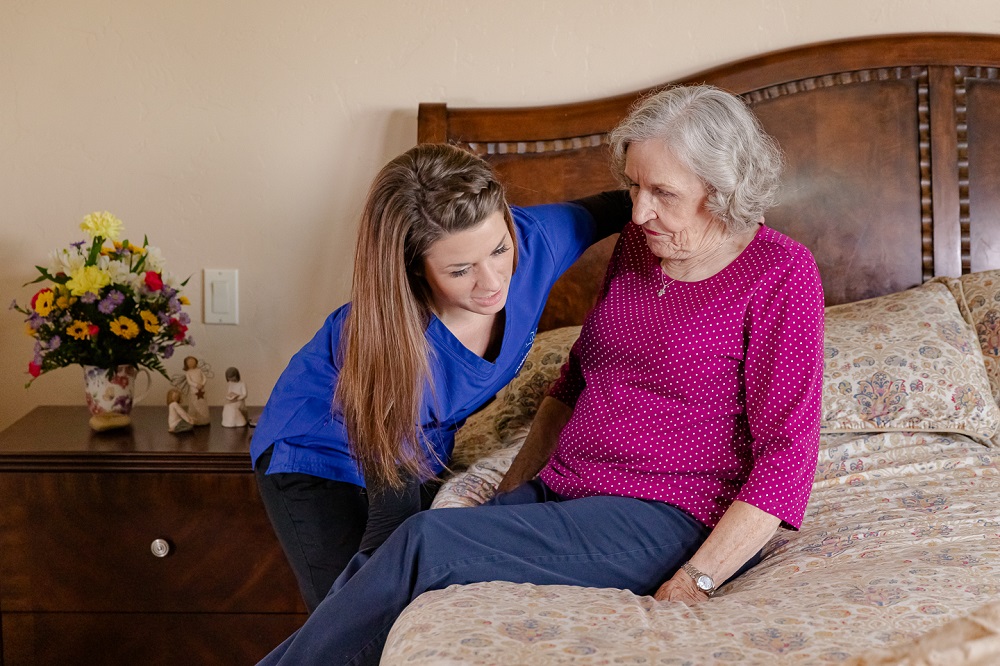
Caring for an aging parent does not mean you have to manage every responsibility on your own. In-home care can give seniors the personalized support they need to remain comfortable at home while giving family caregivers time to rest, work, and care for their own families.
At Assisting Hands Home Care, our in-home care services begin with a free in-home assessment to understand your loved one’s needs and create a personalized care plan. Our caregivers can provide support with daily activities, personal care, meals, transportation, companionship, and more, with flexible care schedules that can change as your loved one’s needs evolve.
If you are considering home care for an aging parent or simply want to learn more about your options, contact Assisting Hands Home Care today to schedule an assessment and discuss how in-home care can support your family.
We provide comprehensive home care for seniors in Schaumburg, Hoffman Estates, Palatine, Elk Grove Village, Inverness, Rolling Meadows, Des Plaines, IL and the surrounding areas. Call (847) 448-0844 to schedule a free in-home consultation today.
In-Home Care FAQs
How do I know whether my parent needs in-home care or assisted living?
Start with how much help your parent needs and when. If they’re mostly safe at home but need help with bathing, meals, errands, or companionship during certain parts of the day, in-home care is often a good fit. If they need supervision around the clock, or you’re worried about them being alone at night, assisted living or 24-hour in-home care may be worth considering. Your parent’s preferences matter too, so involve them in the decision whenever possible.
How many hours of in-home care does my parent need?
It depends on their routine and where they struggle. Some families start with a few hours a week for help with housekeeping, bathing, or getting to appointments. Others need daily visits, overnight care, or live-in support. Starting small is common, and you can add hours as your parent’s needs change. A free in-home assessment can help you figure out the right amount of care.
Does Medicare pay for in-home caregivers?
In most cases, Medicare does not cover non-medical in-home care such as help with bathing, meals, housekeeping, or companionship when that is the only care a person needs. Families typically pay privately, though long-term care insurance, veterans benefits, and some state programs may help cover the cost. Check with your parent’s insurance provider or a benefits counselor to see what applies to your situation.
Can in-home care help a parent living with dementia?
Yes. Many seniors with dementia do better when they stay in a familiar place with a consistent routine. An in-home caregiver can help with daily activities, offer reminders, provide companionship, and keep an eye out for changes in behavior or safety concerns. Care can also increase over time as the condition progresses, which gives family members regular breaks from caregiving.
How do I talk to my parent about accepting help at home?
Pick a calm moment and frame it around what your parent wants, which for most seniors is staying in their own home. Be specific about the problem you’re trying to solve, such as help with meals or rides to appointments, rather than talking about their decline in general. Let them help choose the schedule and type of care. Some families start with a few hours of help around one task and add more once their parent is comfortable with the caregiver.


