
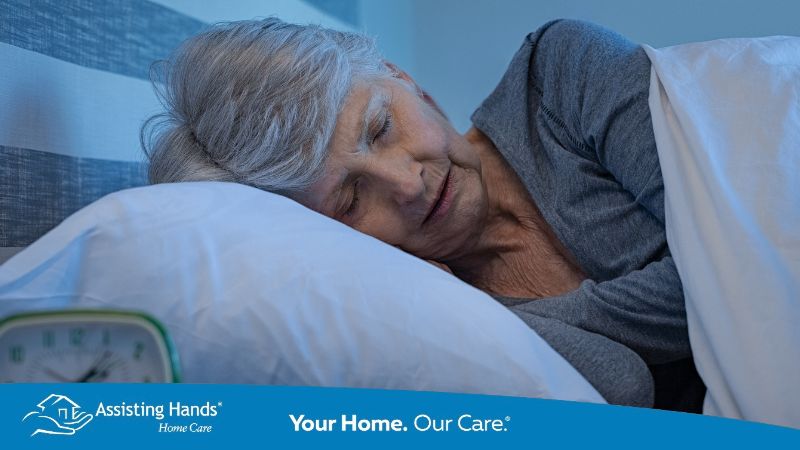
Excessive sleeping in the elderly can stem from various underlying causes, making it essential for caregivers to identify the root issue behind a senior’s lack of engagement in daily life. Understanding these causes not only helps explain their sleep habits but also offers ways to provide meaningful relief.
As people age, their sleep patterns naturally change. Older adults often go to bed earlier and wake up earlier, but their sleep cycles also tend to shorten. This can lead to frequent interruptions during the night, preventing them from achieving deep, restorative sleep. Additionally, aging bodies produce less melatonin, the hormone responsible for regulating sleep, making it harder for seniors to fall and stay asleep.
For aging women, menopause can further disrupt sleep due to hot flashes and hormonal changes. Incontinence is another common issue that forces many seniors to wake during the night, creating additional barriers to achieving quality rest.
Understanding these factors and addressing them thoughtfully can improve the sleep quality and overall well-being of older adults.
The elderly are advised to sleep seven to nine hours per night, which is the same number of hours recommended for adults of all ages. Sleeping more than this or taking daytime naps longer than a half hour should prompt caregivers to examine the causes behind seniors sleeping excessively.
What to Watch For
If your aging loved one:
- Sleeps more than 9–10 hours a night
- Takes frequent or long daytime naps
- Shows reduced interest in daily activities
- Seems confused, fatigued, or disengaged
It may signal an underlying issue. A doctor can help determine whether it’s related to medical conditions, medications, or lifestyle habits.
What causes seniors to sleep so much?
1. Dementia
Older adults diagnosed with dementia tend to sleep excessively or experience disrupted sleep. As their disease progresses over time, they may sleep more during the day, struggle to fall asleep at night, or wake up frequently or multiple times during the night.
Dementia damages the brain, which disrupts the senior’s natural sleep-wake cycle. As a result, the older adult finds it harder to stay awake during the day. The aging body’s internal clock also becomes damaged, leading to shifts in the senior’s sleep-wake cycle.
2. Medications
Many seniors take up to five prescription medications regularly. Some of the side effects interfere with sleep. Dementia medications, for example, can cause drowsiness. Other medicines that cause sleepiness during the daytime include antidepressants, like selective serotonin uptake inhibitors (SSUIs).
Antihistamines, especially first-generation versions, are more likely to cause drowsiness than newer, non-drowsy ones. Blood pressure medications, like alpha-blockers and beta-blockers, cause fatigue in seniors. Benzodiazepines, which treat anxiety, can lead to drowsiness in the elderly. Gut medications used for nausea or diarrhea have a similar effect.
3. Boredom
Seniors who fail to engage in meaningful activities, like volunteering, hobbies, or socializing, are likely to experience boredom which in turn causes excessive sleeping. A lack of engagement causes tiredness and gives them a reason to sleep more than usual, even during the day.
Boredom tends to decrease energy levels, making the elderly more prone to sleeping off their unstimulating days. It’s important for caregivers to keep their aging care recipients socially active and on a routine to prevent boredom-related sleepiness. Activities may include outings and hobbies.
4. Chronic Pain
Chronic pain is behind many instances of excessive sleepiness. Seniors with arthritis or other chronic conditions may find it hard to enjoy a quality night’s sleep. Without restful nighttime sleep, the older adult is prone to daytime fatigue, reduced energy levels, and taking extra naps.
The physiology behind chronic pain explains the resulting fatigue. The aging body continuously fights pain and inflammation, a process that depletes the senior’s energy reserves and leads to tiredness. The emotional toll of chronic pain is equally significant and drains them, leading to general fatigue.
5. Nutritional Deficiencies
Unhealthy eating causes nutritional deficiencies in older adults, which contribute to daytime sleepiness. A range of vitamins are essential for regulating sleep and maintaining optimum energy levels. Deficiencies in any of the important daily vitamins can lead to disrupted sleep patterns.
A lack of vitamin B12, for instance, interferes with energy and nerve function, thereby causing sleep problems, like excessive daytime sleeping and insomnia. Seniors with insomnia may be deficient in vitamin D and are at risk for sleeping less than four hours per night.
6. Untreated Depression
A common symptom of depression in older adults is excessive sleeping. On the other hand, some older adults diagnosed with depression may experience insomnia. Depression disrupts normal sleep patterns, interfering with sound nighttime sleep and resulting in fatigue the next day.
Antidepressants may be prescribed to combat symptoms of depression. However, as mentioned, antidepressants can lead to daytime drowsiness and sleeping more than usual. Older adults should consult their physician about the side effects and potential medication adjustments to alleviate drowsiness.
Sleepiness, while common in the older population, is not a normal part of aging. Caregivers who notice their aging care recipient sleeps too much should investigate the possible causes. A visit to a physician can detect any underlying health issues, such as depression, and lead to effective treatment.
Senior Home Care from Assisting Hands
If the senior simply sleeps too much due to boredom or nutritional gaps, the professional caregivers at Assisting Hands Home Care can help. We provide a comprehensive range of non-medical senior home care services that promote healthier routines and quality of life.
- Meal Preparation: We shop for groceries and prepare nutritious meals rich in B12 and essential nutrients.
- Light Housekeeping: Our caregivers help reduce clutter and improve comfort at home.
- Medical Support: We offer transportation to doctor visits and medication reminders to stay on track with prescribed care.
- Companionship: Our caregivers engage seniors in games, conversations, and social outings to keep them mentally and emotionally stimulated.

Assisting Hands Home Care is proud to serve seniors in Palos Heights, and surrounding areas of Illinois such as Lockport, Hickory Hills, Chicago Ridge. Schedule a free in-home consultation today to improve your loved one’s well-being and sleep health. Call us at (773) 207-3767.