
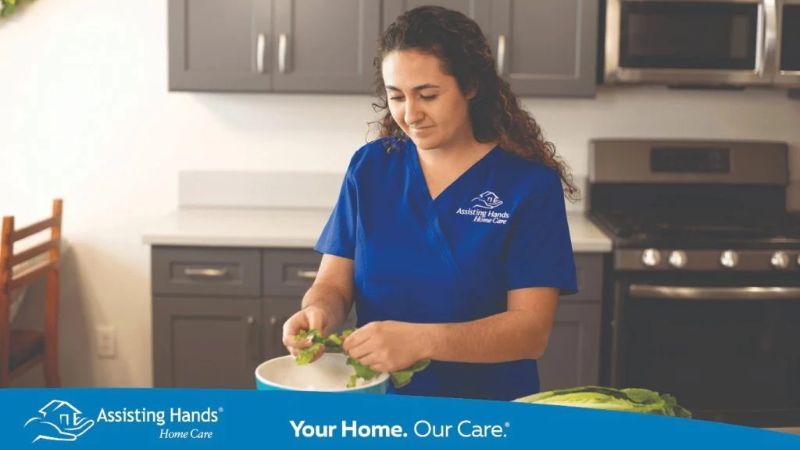
Preparing meals involves more than cooking. For older adults, it can mean planning around dietary needs and personal preferences, keeping the kitchen stocked, shopping for groceries, preparing food safely, and cleaning up afterward. Home caregivers can help with each step, making it easier for seniors to enjoy regular, nourishing meals without taking on every task themselves. Sharing a meal can also provide something just as valuable: companionship.
For adult children in Westlake, Avon, and Bay Village, meal preparation is often a practical starting point when a parent could use extra help at home. It offers support with an everyday task while allowing them to maintain their routines and independence. In this guide, we’ll explore what meal preparation assistance looks like during a typical caregiving visit, the signs that a parent may benefit from it, and how to incorporate this support into a home care plan.
Home caregivers help seniors with meal preparation by planning meals, grocery shopping, cooking, following dietary guidelines, serving food, and cleaning up afterward. They can also prepare meals in advance, encourage older adults to participate in cooking, and provide companionship during mealtimes. These services make everyday meals easier to manage while helping seniors maintain their independence at home.
Why Is Meal Preparation Difficult for Some Seniors?
Cooking gets harder for a handful of small reasons that add up, and families usually notice the result (weight loss, an empty fridge) before they notice the cause.
- Mobility and balance: Standing at a stove for half an hour, bending to a low cabinet, or carrying bags in from the car takes strength and steadiness that can fade gradually.
- Fatigue: By the time a meal is cooked, some seniors are too worn out to eat much of it.
- Appetite changes: Taste and smell dull with age, and some medications cut hunger further.
- Dental and chewing problems: Sore teeth or loose dentures push people toward soft, easy foods that aren’t always nourishing.
- New diet restrictions: A diabetes or heart diagnosis can turn a familiar recipe into a puzzle, and some people respond by not cooking at all.
How Do Caregivers Plan Healthy Meals for Seniors?
Effective meal planning starts with two questions: what does this person need to eat, and what will they enjoy eating? A plan that overlooks the second question may end up in the trash.
When it comes to nutritional needs, caregivers follow recommendations from the senior’s doctor or dietitian. Common examples include:
- Low-sodium meals for high blood pressure or heart failure, which often means using fresh ingredients instead of canned soups and frozen dinners
- Diabetic-friendly meals with consistent carbohydrate portions balanced with protein and fiber
- Heart-healthy cooking that emphasizes baking, roasting, and steaming, along with lean proteins and less saturated fat
- Soft-food and minced textures for someone who has difficulty chewing or swallowing, prepared according to the doctor’s or speech therapist’s instructions
Our caregivers provide non-medical care, so they follow prescribed dietary guidelines rather than create diets themselves. If a dietitian is involved, their recommendations become part of the care plan. Caregivers can also track meals and appetite, giving families useful notes to share at the next appointment.
Personal preferences matter just as much. A caregiver learns the little details: Dad likes his eggs over easy, Mom won’t touch cilantro, and Sunday means pot roast. Familiar foods can make healthy eating easier, so a low-sodium version of a favorite recipe is more likely to be enjoyed than a plate of plain steamed vegetables.
For seniors living with memory loss, planning meals may involve additional challenges, such as forgetting to eat, changes in appetite, or difficulty staying focused during mealtimes. Families caring for someone with dementia can find more practical suggestions in our guide to nutrition and meal planning for seniors with Alzheimer’s.
Can Home Caregivers Help Seniors with Grocery Shopping?
Yes. Home caregivers can help seniors create grocery lists, shop for ingredients, check food labels, carry groceries, and organize the kitchen. Depending on the care plan, they may shop independently or accompany the senior to the store.
Grocery shopping assistance starts before anyone leaves the house. At the kitchen table, the caregiver checks what’s on hand, removes expired food, and builds a list from the week’s meal plan. A list keeps the trip focused and cuts down on the duplicate purchases that pile up when memory starts to slip.
At the store, a caregiver can:
- Reach items on high or low shelves and handle heavy bags, cases of water, and other household essentials.
- Check produce and expiration dates for freshness.
- Read nutrition labels for sodium, added sugar, and carbohydrates when a diet calls for it.
- Put groceries away at home, moving older items to the front so they get used first.
Depending on the care plan, a caregiver may shop independently while the senior stays home, or they can make the trip together. Shopping together takes more time, but for many older adults, it offers a welcome outing and a chance to choose their own food, helping them stay involved in everyday decisions.
If a doctor’s appointment or pharmacy pickup can be worked into the same trip, our transportation services can help with those errands, too.
How Do Caregivers Prepare Safe, Nutritious Meals for Seniors?
Most families imagine a caregiver chopping vegetables at the counter and preparing a hot meal. A typical visit might involve cooking lunch, then portioning and labeling a few meals for the following day so food is ready when the caregiver isn’t there.
Older adults are more vulnerable to foodborne illness, so food safety is a priority during every visit.
According to FoodSafety.gov’s food safety guidelines, proper cooking, cleaning, separation, and refrigeration help prevent foodborne illness.
Important food safety practices include:
- Meat, poultry, seafood, and eggs are cooked to recommended safe internal temperatures, verified with a food thermometer.
- Perishable leftovers are refrigerated within two hours, or within one hour when exposed to temperatures above 90°F.
- Containers are dated, and refrigerated leftovers are generally used within three to four days.
- Raw meat is kept separate from produce and ready-to-eat foods.
- Hands, cutting boards, utensils, and kitchen surfaces are cleaned properly during food preparation.
Good caregivers also know when to step back rather than take over the kitchen. If Mom can still stir the sauce or season the soup, she should. Some seniors prefer to sit at the counter and direct while the caregiver handles the standing work. Others manage the steps they’re comfortable with and leave the knife work to the caregiver.
How Does Meal Preparation Support Senior Nutrition and Companionship?
Meal preparation assistance doesn’t end when the food reaches the table. Caregivers also help with kitchen cleanup, food storage, and companionship during meals.
After the meal, the caregiver washes the dishes, wipes down the counters and stovetop, and stores leftovers safely. It may seem like a small task, but a sink full of pots and pans is one reason older adults give up cooking. When cleanup feels like more work than the meal is worth, it’s easier to skip it altogether.
Sharing a meal with a caregiver also offers companionship. Living alone can contribute to nutritional difficulties in older adults. The National Council on Aging provides malnutrition screening resources that families and healthcare professionals can use to identify nutritional risks.
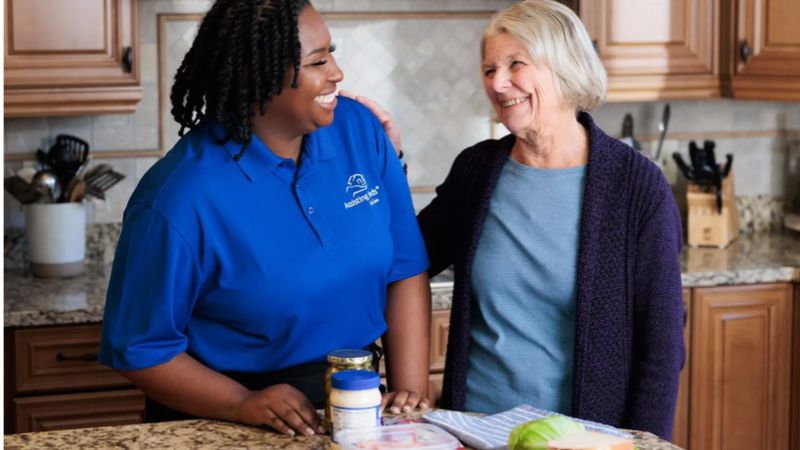
Seniors who eat alone may eat less or rely on the same few convenient foods. A caregiver who sits down for lunch, chats about the grandkids, and stays for coffee can make a real difference in how enjoyable mealtime feels.
This type of social interaction is also an important part of personal care and companionship services, which help older adults with everyday activities while providing regular company at home.
Over time, caregivers may also spot changes in eating habits, such as half-eaten meals, a sudden loss of interest in a favorite dish, or new difficulty chewing. A single meal might look nutritious on paper, but what matters is how consistently a senior eats over time.
Caregivers can share these observations with family members, who can pass them along to the person’s doctor.
What Are the Signs a Senior Needs Help with Meal Preparation?
You don’t need to wait for a crisis for help with meal preparation. A few things worth noticing on your next visit include:
- Clothes fitting more loosely, or weight loss you can see
- A fridge that’s nearly empty or full of expired food
- The same easy foods (toast, cereal, crackers) showing up meal after meal
- Skipped meals, or a parent who says they “just weren’t hungry”
- Trouble standing at the stove or carrying groceries in from the car
Any one of these on its own may not mean much. Two or three together are worth a conversation.
Frequently Asked Questions About Caregiver Meal Preparation
Can a caregiver cook meals with specific dietary restrictions?
Yes. Caregivers can prepare low-sodium, diabetes-friendly, heart-healthy, and appropriately modified-texture meals based on guidance from the senior’s healthcare professionals. Because Assisting Hands provides non-medical care, our caregivers follow prescribed dietary instructions rather than create diets, and they’ll work family recipes into the meal plan wherever possible.
Does home care include grocery shopping?
Yes. Grocery shopping and errands are common home care services. A caregiver can build the list, shop on the senior’s behalf, or go along with them, then put everything away once they’re home.
How often does a caregiver come to help with meals?
That depends on the care plan. Some families schedule a few visits a week around lunch or dinner, with extra meals prepared ahead for the days in between. Others need daily help or more extensive home care. Assisting Hands in Westlake can discuss schedules ranging from a few hours of assistance to round-the-clock care.
Is meal preparation included in standard home care, or is it an add-on service?
Meal preparation is one of the core services our caregivers provide, and it’s usually combined with companionship, light housekeeping, and personal care in the same visit. Keep in mind that Medicare generally doesn’t cover non-medical help like meal preparation alone, so it’s worth talking through payment options during your free consultation.
Get Meal Preparation Assistance for Seniors in Westlake, OH
You don’t have to change your parent’s entire routine to make mealtimes easier. If breakfast is manageable but dinner has become a struggle, meal preparation support can start with a few evening visits and expand as needs change.
Assisting Hands Home Care in Westlake offers a free in-home consultation to discuss your parent’s dietary needs, daily routines, food preferences, and any recommendations from their doctor.
From there, we’ll develop a care plan that fits your family’s needs and makes everyday meals easier to manage. If you’re wondering how home care can help with meal preparation for your loved one, we’re happy to walk you through the options.
Call us at 440-517-4623 or schedule a free consultation.

