

Hallucinations can occur in the elderly, especially those living with dementia. Seniors who see or hear things that are not real can experience fear or frustration. Managing hallucinations in seniors with medical care and caregiver support is important to improve their quality of life.
What are Hallucinations?
Visual hallucinations occur when older adults see things that are not there. The hallucinations can be simple, like flashing lights, or complex, like animals or people. Visual hallucinations appear real to the senior experiencing them and therefore can be frightening.
Hallucinations can also be auditory, such as when older people hear voices. Smelling smoke or floral scents that are not there are olfactory hallucinations. Tactile hallucinations include feeling things that aren’t there, like insects crawling on the skin or a kiss. Seniors can also taste things that aren’t real.
What Causes Hallucinations in the Elderly
Hallucinations in the elderly can be caused by a variety of factors, including medical conditions, medications, and environmental influences. Common causes include:
Dementia and Alzheimer’s Disease
Cognitive decline, which is common in conditions like dementia and Alzheimer’s disease, can lead to hallucinations. As the brain’s ability to process information deteriorates, the person may begin to misinterpret their surroundings. They might see people, animals, or objects that aren’t there, or hear voices that don’t exist. These hallucinations are often a result of the brain’s confusion and disorientation, and they tend to worsen as the disease progresses. Caregivers need to be patient and provide reassurance, but in some cases, medical intervention may be necessary to address these symptoms.

Delirium
Delirium is a sudden and severe change in mental status, often caused by an underlying medical condition such as an infection (like a urinary tract infection), dehydration, or electrolyte imbalances. The elderly are particularly vulnerable to delirium, and one of its hallmark symptoms is hallucinations, particularly visual ones. It can be triggered by hospital stays, surgery, or a sudden decline in physical health. Prompt identification and treatment of the underlying cause can often resolve the delirium and the hallucinations.
Parkinson’s Disease
Parkinson’s disease is a progressive neurological disorder that affects movement and can lead to hallucinations in the later stages. As the disease progresses, it can impair brain function, causing sensory misinterpretations. These hallucinations can also be a side effect of medications used to treat Parkinson’s, especially dopamine agonists, which can disrupt the balance of chemicals in the brain. The hallucinations are often visual (e.g., seeing things that aren’t there), but can also involve hearing voices or feeling sensations that aren’t real. Adjusting medications under a doctor’s supervision is crucial in managing these symptoms.
Vision or Hearing Impairments
As elderly individuals experience declines in vision or hearing, they may start to experience “Charles Bonnet syndrome” (in the case of vision loss) or auditory hallucinations. When sensory input is limited, the brain can sometimes fill in the gaps by creating false images or sounds. For example, someone who has lost their vision may see vivid, detailed images or faces that aren’t real, while those with hearing impairments might hear voices or sounds that don’t exist. This type of hallucination is not caused by a mental illness but rather by the brain’s attempt to compensate for the missing sensory information.
Medications
Certain medications can lead to hallucinations in the elderly, particularly those used for treating conditions like pain, anxiety, depression, or sleep disorders. Medications such as sedatives, antipsychotics, painkillers (especially opioids), and even over-the-counter drugs can affect the brain and cause hallucinations as a side effect. The elderly are often more sensitive to medications due to age-related changes in metabolism and kidney function, which means even common drugs can have unintended side effects. If hallucinations appear after starting a new medication, it’s important to consult a healthcare provider to determine if the medication is the cause.
Mental Health Disorders
Mental health conditions, including depression, anxiety, and psychosis, can lead to hallucinations in the elderly. Depression, in particular, can cause “psychotic” symptoms, where the individual may experience delusions or hallucinations, such as hearing voices that criticize them or seeing things that reflect their inner emotional turmoil. Similarly, anxiety can sometimes lead to visual or auditory hallucinations, particularly in individuals who are socially isolated or dealing with significant stress. It’s important to seek professional help if mental health issues are suspected, as they can be effectively managed with therapy and medication.
To learn more about the causes, read this Possible Causes Seniors to Have Hallucinations at Night
How to Deal with Hallucinations in the Elderly
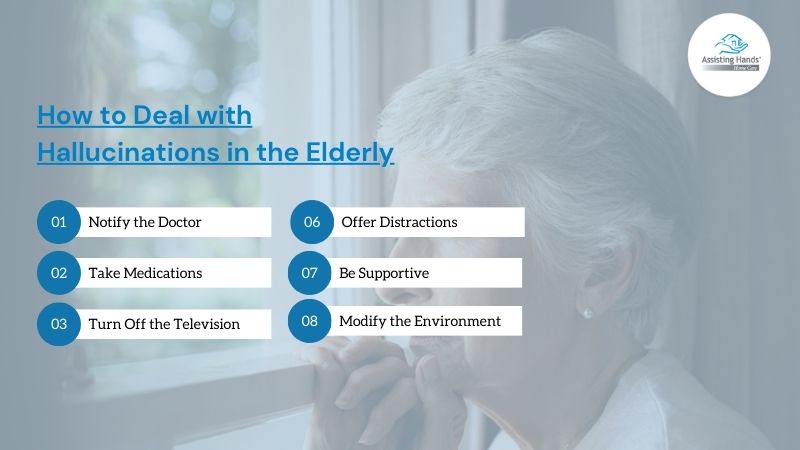
Notify the Doctor
Knowing the cause of a senior’s hallucinations is a first step in relieving them. Inform the aging person’s doctor about their condition, as the medical provider can determine if any illnesses or medication side effects are responsible. Medication adjustments can be made.
Take Medications
As a last resort, a physician might prescribe medications to control the hallucinations. A low dose of antipsychotics, for instance, may be prescribed to seniors with delirium. Cholinesterase inhibitors, such as Exelon and Aricept, increase alertness and cognition, thereby reducing hallucinations.
Be Supportive
Caregivers can be helpful when they do not argue about what the senior hears or sees. Stay calm and supportive. If the older person feels afraid, offer reassurance and acknowledge their feelings. Caregivers might say, “I will protect you” or “I realize this is scary for you.”
Offer Distractions
Distractions are effective in managing both dementia and hallucinations. If the senior sees something in the bedroom, try gently leading them into the kitchen. Other distraction techniques caregivers might use include playing joyful music or going outside for a leisurely walk.
Turn Off the Television
Sometimes violent or frightening television shows or even news reports bother an older adult who experiences hallucinations. They may believe that what they are watching on the screen is happening in real life in the room. Turn off upsetting television programs to reduce the hallucinations.
Modify the Environment
Dark shadows can cast an eeriness in the bedroom—and for a senior who hallucinates, they may be seeing frightening things. Turn on a night light to limit shadows. Or, if the senior experiences auditory hallucinations, consider turning off a noisy air conditioner.
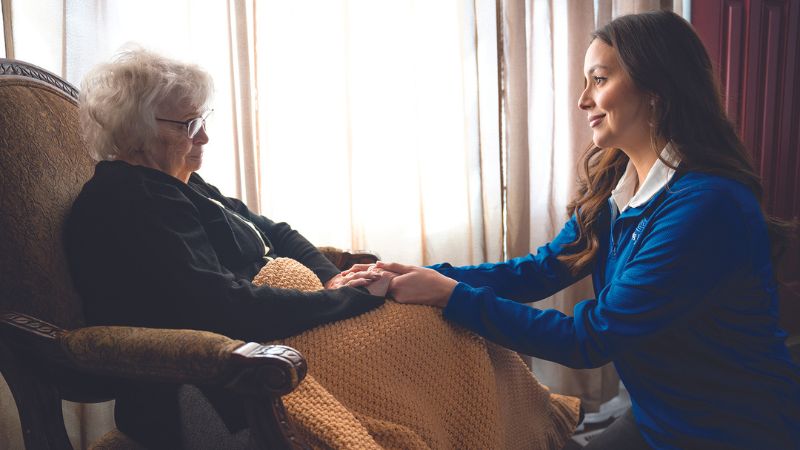
Caregivers can provide immense emotional support to an aging care recipient who is hallucinating. But be sure that what the older adult sees or hears are hallucinations rather than misperceptions. Hallucinations differ from misperceptions or misidentifications and require different approaches.
For example, if a rug with a busy pattern is on the floor, the senior may refer to it as a swarm of ants. This may be a case of misperception rather than a hallucination. Caregivers might try removing the rug or covering it, which may stop the visual misperception.
Problems with hearing may erroneously come across as auditory hallucinations. If the senior mentions auditory hallucinations, schedule a hearing test. If they wear a hearing aid, check that it works properly and set it correctly. These tactics may stop their problems with hearing.
Be a source of social support to the senior, as well. Older adults are less likely to see people who are not there or hear voices when they are in good company. Families might try hiring professional companion caregivers to socially engage with the senior on a regular basis.
Hallucinations can be effectively managed by caregivers. But when families are too busy to help their aging loved ones cope, live-in care, 24-hour care, or memory care from Assisting Hands Home Care is an invaluable support. We provide compassionate elder care services in the comfort of home.
Care options from our senior home care agency are flexible and varied. We offer overnight care to support seniors who need assistance with bedtime routines and who feel more comfortable having an alert caregiver ready to support them at any time throughout the night.
Seniors who have received a dementia diagnosis may opt for our memory care services. Dementia caregivers are trained to manage Alzheimer’s and dementia symptoms, like agitation, wandering, hallucinations, and incontinence. We approach the aging adult with compassion to relieve their distress.
All of our home care services include help with hygiene tasks, meal preparation, medication reminders, and transportation. Your aging loved one’s comprehensive, non-medical care needs are met by the professionals at Assisting Hands Home Care, serving Westlake, Ohio. Schedule a free in-home consult today to learn more.
FAQs
What is the difference between hallucinations and delusions in older adults?
Hallucinations involve seeing, hearing, smelling, tasting, or feeling something that is not actually present. Delusions are fixed false beliefs, such as believing someone is stealing from them or that a spouse is an impostor. Both can occur in dementia, but they are managed differently, so it helps to share the details with a clinician.
Should you tell an older person their hallucination is not real?
In many cases, it is better not to confront or correct them directly, especially if they have dementia. Direct correction can increase distress or agitation. Instead, validate their feelings, offer reassurance, and use distraction or a change of environment to help the moment pass.
Why do hallucinations get worse at night in seniors?
Nighttime hallucinations may worsen due to fatigue, low lighting, shadows, reduced routine, and a phenomenon called sundowning in dementia. Poor sleep, dehydration, or overstimulation from TV and noise can also make symptoms feel more intense at night.
How do vision or hearing loss contribute to hallucinations in older adults?
When the brain receives limited sensory input, it may “fill in the gaps” with images or sounds. With significant vision loss, some seniors experience Charles Bonnet syndrome, which can cause vivid visual hallucinations. Hearing loss may lead to misheard sounds that feel like voices. Addressing sensory issues can reduce episodes.
What is Charles Bonnet syndrome and is it a sign of dementia?
Charles Bonnet syndrome involves visual hallucinations that occur in people with vision loss. It is not the same as dementia and does not necessarily mean someone has a mental illness. However, it still deserves medical discussion so the senior’s vision and overall health can be evaluated.
What medication is used for hallucinations?
Medications for hallucinations depend on the cause, the senior’s overall health, and whether the hallucinations are distressing or creating safety risks. A doctor will usually look for reversible triggers first (infection, dehydration, medication side effects, sleep issues) before prescribing anything.
Common medication approaches a clinician may consider include:
- Cholinesterase inhibitors (often used in Alzheimer’s or Lewy body dementia): examples include donepezil (Aricept) and rivastigmine (Exelon), which may reduce hallucinations for some seniors by supporting cognition.
- Antipsychotics (used cautiously and typically only when symptoms are severe or dangerous): examples include quetiapine (Seroquel) or, in some dementia cases, risperidone or olanzapine. These require close monitoring due to side effects and increased risks in older adults with dementia.
- Parkinson’s-related hallucinations: doctors may first adjust Parkinson’s medications, and in some cases prescribe options specifically used in Parkinson’s psychosis such as pimavanserin (Nuplazid) or clozapine under strict supervision.
Because older adults are more sensitive to side effects (sedation, falls, low blood pressure, heart rhythm changes), medication should only be started or changed by a healthcare provider, and urgent evaluation is important if hallucinations begin suddenly.

