
Making Holidays Meaningful for Seniors with Dementia
Ways to Adapt Holiday Activities to Suit Cognitive Challenges The holidays are a time to cherish togetherness, but for families…
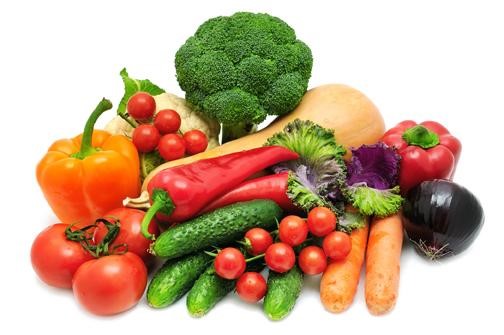

New Year’s Resolutions. Eat healthy. Vegetables. Exercise. Easier said than done right? Important vitamins and minerals come from the produce we eat. These nutrients are stored in our body to give us energy for the day. The food from the earth can combat the risk for many harmful diseases, including heart disease, high blood pressure and some cancers.
According to Jackie Newgent, R.D.N., culinary nutritionist and author of The All-Natural Diabetes Cookbook has some ideas on how to get more vegetables in your diet. “One health-protective habit I often recommend is aim to fill half of every mealtime plate or bowl with non-starchy veggies. For most people (including me!), that’s easier to do for lunch and dinner than for breakfast. So, my eating resolution this year is to include veggies in one way or another at every breakfast. I see plenty of non-traditional breakfasts in the future!”
Stay colorful:
Fruits and vegetables come in terrific colors and flavors. However, their real beauty lies inside. Fruits and vegetables are great sources of many vitamins, minerals and nutrients that may prevent chronic diseases. To get a healthy variety, think color. Some examples include green spinach, orange sweet potatoes, black beans, yellow corn, purple plums, red watermelon, and white onions. Eating fruits and vegetables of different colors gives your body a wide range of valuable nutrients, such as fiber, folate, potassium, and vitamins A and C. For more variety, try new fruits and vegetables regularly.
For the best nutritional value:
Types of vegetables:
Vegetables are available in many varieties and can be classified into biological groups or ‘families’, including:
The Centers for Disease Control and Prevention, along with American Institute for Cancer Research (AICR) nutrition experts, advises rinsing all fresh fruits and vegetables before eating them. This recommendation also applies to produce with rinds or skins that are not eaten.
Rubbing fruits and vegetables by hand under running water usually does the trick. Or you can use a scrub brush for produce that has rough or grooved skins. Soaking is not advised, because the water is stagnant; make sure you rinse under running water. Pay attention to crevices that grit can hide in, such as between the florets of broccoli and cauliflower, or the grit hidden in the wrinkles of mature spinach leaves. Remove the outer leaves of lettuce and cabbage.
Once you’ve prepared and cooked your vegetables, spend some time on presentation. People are more likely to enjoy a meal if it’s full of variety and visually appealing, as well as tasty. Sit at the table to eat and enjoy your food with the ones you love.
Source: www.choosemyplate.gov
Looking Ahead
Next month is National Heart Health Awareness month. This is a time to reflect on Heart disease is the leading cause of death for men and women in the United States. Every year, 1 in 4 deaths are caused by heart disease. You can make healthy changes to lower your risk of developing heart disease. Controlling and preventing risk factors is also important for people who already have heart disease.
For more information, visit https://handinhandenews.com
Ways to Adapt Holiday Activities to Suit Cognitive Challenges The holidays are a time to cherish togetherness, but for families…
The holiday season is a time of joy, connection, and celebration, but for many seniors, it can also be a…
The holiday season is a time for family gatherings, festive traditions, and celebrating with loved ones. However, it can also…
Veterans Day is a time for reflection and gratitude, especially for those brave individuals who served their country with honor…