
January is Glaucoma Awareness Month
At his routine eye exam, Alberto was startled when the ophthalmologist told him that he had developed glaucoma. “I didn’t…
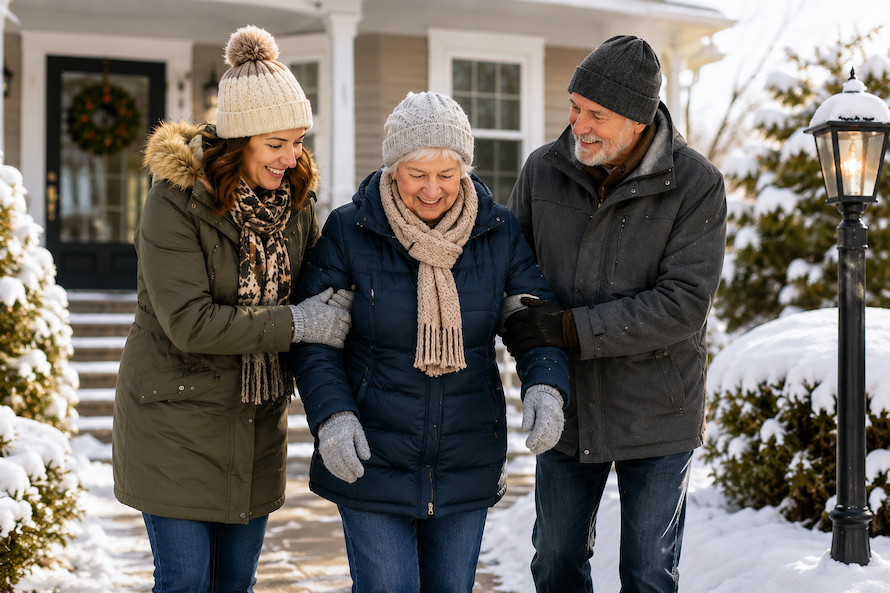
Winter can be beautiful, peaceful, and cozy, but for older adults, it can also bring very real safety concerns. Snow covered sidewalks, icy driveways, colder temperatures, and shorter days can quickly create challenges that make everyday activities more difficult.
For families with aging loved ones, winter is a good reminder to check in and make sure home environments are safe, warm, and supportive. Small changes can go a long way in helping seniors remain comfortable and independent throughout the season.
Watch for Slippery Conditions
One of the biggest winter concerns for seniors is falling. Ice and snow increase the risk of slips, especially when walking to the mailbox, getting groceries, or attending appointments.
Families can help by:
Inside the home, winter boots and wet floors can also become hazards. Simple things like absorbent mats near doors and keeping pathways clutter free can make a big difference.
Keep the Home Warm and Comfortable
Older adults often feel colder more easily than younger people. Certain medications and health conditions can also affect body temperature regulation.
A comfortable home environment matters during colder months. Encourage seniors to:
Families should also check thermostats regularly and ensure heating systems are functioning properly before severe weather arrives.
Prevent Winter Isolation
Cold weather can make seniors feel cut off from family, friends, and community activities. Snowy roads and shorter daylight hours may cause older adults to stay home more often, which can lead to loneliness and depression.
Regular phone calls, visits, or even short outings can brighten a senior’s day tremendously. Companion care services can also provide meaningful social interaction during months when isolation tends to increase.
Simple activities like sharing coffee, playing cards, watching favorite movies, or helping with errands can help seniors feel connected and emotionally supported.
Stay Prepared for Emergencies
Winter storms sometimes lead to power outages or dangerous travel conditions. It is important for seniors to have a basic emergency plan in place.
Helpful items include:
Families may also want to check in more frequently during severe weather alerts.
A Season for Extra Care
Winter often reminds us how important it is to look after one another. A little extra support can help seniors remain safe, comfortable, and confident at home while still enjoying the beauty of the season.
For many families, peace of mind comes simply from knowing someone is there to help with daily routines, companionship, meal preparation, or transportation during difficult weather conditions.
The goal is not just safety. It is helping older adults continue living with dignity, warmth, and connection all winter long.
At his routine eye exam, Alberto was startled when the ophthalmologist told him that he had developed glaucoma. “I didn’t…
During the holidays, family members gather from near and far to celebrate the season. Often this may be the only…
During November and December, most of us spend time in crowds of people—at parties, while shopping, and as we make…
Holiday shopping—at the pharmacy? Loyola University Medical Center experts offer tips for practical, inexpensive gifts for loved ones who are…