
Introduction
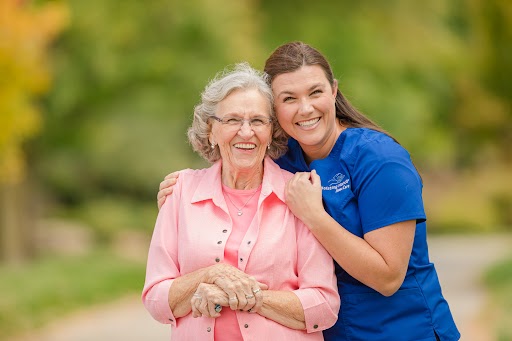
Senior caregiving plays a pivotal role in ensuring the well-being and quality of life for older adults. As seniors age, they often face various healthcare challenges and require specialized care to maintain their health and happiness. In this article, we will explore the importance of senior caregiving and how it impacts the lives of seniors.
Understanding Senior Healthcare Needs
Older adults often face health issues that require attention and care. From chronic conditions to mobility limitations, seniors require support to navigate these challenges effectively. Senior caregiving offers a vital solution by providing personalized care tailored to meet their unique needs. By having caregivers who understand these healthcare challenges, seniors can receive the necessary assistance to manage their conditions and maintain a good quality of life.
The Role of Senior Caregiving
Senior caregivers have a multifaceted role in providing care and support to older adults. They assist with daily activities, such as bathing, grooming, medication management, and meal preparation. Additionally, caregivers offer companionship and emotional support, which is crucial for seniors’ mental well-being. Their presence can help alleviate loneliness and provide a sense of security for seniors who may have limited social interactions.
Assisted Living and Senior Care
Assisted living facilities are designed to provide a supportive environment for seniors who require additional care and assistance. These facilities offer a range of services, including medical services, social activities, and personalized care plans. Senior caregivers play a crucial role within assisted living facilities by ensuring that residents receive the necessary care and attention. They assist with daily tasks, monitor seniors’ health conditions, and provide companionship, fostering a nurturing and safe environment for residents to thrive.
In-Home Senior Care
For seniors who prefer to age in the comfort of their own homes, in-home care provides a valuable alternative. In-home caregivers offer assistance and support to seniors within the familiarity of their own surroundings. This type of care allows seniors to maintain their independence while receiving the necessary help with daily activities, such as housekeeping, medication reminders, and transportation. In-home caregivers also provide companionship and engage seniors in meaningful conversations and activities, promoting overall well-being.
Steps for Hiring an In-Home Caregiver
When considering hiring an in-home caregiver, it is important to follow a systematic approach to ensure the best match for the senior’s needs. The following steps can guide the hiring process:
- Assess the senior’s care requirements: Determine the specific care needs of the senior, including assistance with personal care, medical conditions, and any specialized care requirements.
- Research reputable agencies or caregivers: Conduct thorough research to find reputable agencies or individual caregivers who specialize in senior care. Consider their experience, qualifications, and reviews from previous clients.
- Conduct interviews and background checks: Schedule interviews with potential caregivers to assess their compatibility with the senior and their ability to meet the care needs. Additionally, perform background checks to ensure the caregiver’s reliability and trustworthiness.
- Check references: Contact references provided by the caregiver to gain insights into their previous experiences and the quality of care they have provided to other seniors.
- Trial period: Initiate a trial period where the caregiver can interact with the senior and observe how well they connect and meet the senior’s needs. This allows both parties to assess compatibility before committing to long-term care.
- Establish a care plan: Collaborate with the chosen caregiver to establish a comprehensive care plan that outlines the specific tasks, schedules, and expectations.
Effective Communication with Seniors
Effective communication is crucial when caring for seniors, as it fosters trust, understanding, and a positive relationship. Here are some tips for effective communication with seniors:
- Be patient and attentive: Give seniors ample time to express themselves and actively listen to what they have to say. Avoid interrupting or rushing them.
- Use clear and simple language: Tailor your communication style to meet the senior’s needs. Use simple and concise language, and avoid using complex medical terms or jargon.
- Maintain eye contact and body language: Show your attentiveness and respect by maintaining eye contact and using open and welcoming body language.
- Practice active listening: Engage in active listening by summarizing and repeating information to ensure understanding. Encourage seniors to ask questions and provide clarifications.
- Show empathy and understanding: Validate seniors’ feelings and emotions, and show empathy towards their experiences.
Benefits of Staying Active for Seniors
Staying physically active is vital for seniors to maintain their overall health and well-being. Regular exercise offers a wide range of benefits, including:
- Improved physical health: Engaging in physical activities helps seniors maintain a healthy weight, improve cardiovascular health, enhance muscle strength and flexibility, and reduce the risk of chronic diseases such as heart disease, diabetes, and osteoporosis.
- Enhanced mental well-being: Exercise has been shown to boost mood, reduce symptoms of anxiety and depression, and improve cognitive function in seniors. It can also promote better sleep patterns, leading to increased energy and overall mental well-being.
- Increased social interaction: Participating in group exercise classes or activities allows seniors to socialize and build connections with others who share similar interests. This can combat feelings of isolation and loneliness, promoting a sense of belonging and community.
- Improved balance and fall prevention: Regular exercise that includes balance and strength training can help seniors maintain their balance and coordination, reducing the risk of falls and related injuries.
Activities to Keep Seniors Healthy and Engaged
Engaging in various activities can help seniors stay healthy, active, and mentally stimulated. Here are some ideas for activities that can benefit seniors:
- Walking or light jogging: Walking or light jogging is a low-impact activity that can be easily incorporated into seniors’ daily routine. It promotes cardiovascular health, improves mobility, and allows seniors to enjoy the outdoors.
- Chair exercises: Chair exercises are suitable for seniors with limited mobility or those who prefer seated workouts. These exercises target different muscle groups and can help improve strength, flexibility, and circulation.
- Mind-engaging activities: Seniors can engage in activities that stimulate their minds, such as puzzles, crosswords, reading, or learning a new skill or hobby. These activities help keep the brain active and promote cognitive function.
- Social gatherings and clubs: Encouraging seniors to participate in social gatherings, clubs, or community events allows them to interact with peers, share experiences, and build social connections.
- Creative pursuits: Engaging in creative activities such as painting, crafting, or playing a musical instrument can provide a sense of accomplishment and joy for seniors. These activities promote self-expression and provide an outlet for creativity.
Maintaining Relationships with Loved Ones with Dementia
Caring for loved ones with dementia can be challenging, but maintaining relationships and providing support is crucial for their well-being. Here are some strategies for navigating this journey:
- Practice patience and understanding: Dementia can cause memory loss and confusion, so it’s important to be patient and understanding when communicating with your loved one. Avoid correcting or arguing about their recollections and instead focus on providing comfort and reassurance.
- Maintain a familiar routine: Establishing a consistent routine can help reduce anxiety and confusion for individuals with dementia. Stick to familiar activities, mealtimes, and daily rituals to provide a sense of stability and security.
- Use visual cues and prompts: Visual cues, such as labeled photographs, calendars, or color-coded reminders, can assist with memory recall and help your loved one stay organized.
- Engage in meaningful activities: Encourage your loved one to participate in activities they enjoy and that align with their capabilities. These activities can range from listening to music, doing simple puzzles, or engaging in sensory-based activities.
- Seek support and respite care: Caring for someone with dementia can be physically and emotionally demanding. It’s essential to seek support from dementia support groups, counseling services, or respite care to ensure you have time for self-care and to recharge.
The Impact of a Caregiving Specialist
A caregiving specialist brings a wealth of knowledge and expertise to the field of senior care. They possess specialized training and experience in caring for seniors with specific needs and conditions. The impact of a caregiving specialist includes:
- Specialized knowledge: Caregiving specialists have in-depth knowledge of the unique challenges and requirements associated with senior care. They are familiar with various health conditions, medications, and caregiving techniques, allowing them to provide targeted care and support.
- Personalized care plans: Caregiving specialists work closely with seniors and their families to create personalized care plans that address individual needs. They assess the senior’s physical and cognitive abilities, preferences, and medical history to develop a comprehensive and tailored approach to care.
- Enhanced safety and well-being: Caregiving specialists prioritize the safety and well-being of seniors. They are trained to identify potential hazards, implement preventive measures, and respond effectively in case of emergencies. Their expertise minimizes risks and ensures a secure environment for seniors.
- Emotional support: Caregiving specialists understand the emotional challenges seniors may face and provide empathetic and compassionate support. They build meaningful relationships with seniors, offering companionship, active listening, and encouragement, thereby promoting emotional well-being.
- Collaboration with healthcare professionals: Caregiving specialists often work alongside healthcare professionals, including doctors, nurses, and therapists. This collaborative approach ensures seamless coordination of care, effective communication, and the implementation of appropriate medical recommendations.
The Value of Professional Caregivers
Professional caregivers play a vital role in senior care, offering a range of benefits and expertise. The value of professional caregivers includes:
- Training and expertise: Professional caregivers undergo rigorous training to develop the skills necessary for providing high-quality care. They are knowledgeable in areas such as personal care, medication management, mobility assistance, and first aid, ensuring seniors receive competent and reliable support.
- Reliability and consistency: Professional caregivers adhere to schedules and routines, providing consistent care to seniors. They understand the importance of punctuality, reliability, and maintaining a professional approach, instilling confidence and trust in both seniors and their families.
- Flexibility and adaptability: Professional caregivers are experienced in adapting to different situations and catering to changing needs. They can handle unexpected circumstances, adjust care plans accordingly, and maintain a calm and composed demeanor, ensuring a smooth caregiving experience.
- Respite for family caregivers: Hiring a professional caregiver can provide much-needed respite for family caregivers who may be juggling multiple responsibilities. Professional caregivers offer temporary relief, allowing family members to take a break, attend to personal commitments, and recharge.
- Peace of mind: Knowing that a professional caregiver is caring for their loved one provides peace of mind for family members. They can trust that their loved one is in capable hands, receiving the necessary care and attention, and benefiting from a professional’s expertise.
Providing Emotional Support to Seniors
In addition to physical care, providing emotional support is crucial for the overall well-being of seniors. Here are some ways to offer emotional support:
- Listen actively: Take the time to actively listen to seniors, allowing them to express their thoughts, feelings, and concerns. Practice empathy and show genuine interest in their experiences.
- Show compassion and understanding: Seniors may experience a range of emotions, including sadness, frustration, or anxiety. Show compassion and understanding by acknowledging their feelings and validating their experiences.
- Engage in meaningful conversations: Engage seniors in conversations that stimulate their minds and provide opportunities for them to share their wisdom and life experiences. This can foster a sense of purpose and connection.
- Encourage social interaction: Facilitate opportunities for seniors to engage socially with peers, family members, or participate in group activities. Social interaction promotes a sense of belonging, reduces isolation, and contributes to emotional well-being.
- Offer reassurance and comfort: Seniors may experience feelings of uncertainty or insecurity. Provide reassurance, comfort, and support by offering kind words, physical touch (if appropriate), and creating a comforting environment.
Financial Considerations and Resources
Senior caregiving can come with financial considerations. Here are some factors to keep in mind:
- Assessing affordability: Determine the budget available for senior caregiving and consider various options to ensure it aligns with financial capabilities. Explore government assistance programs, insurance coverage, and available financial resources.
- Researching financial assistance programs: Research and understand the financial assistance programs available for seniors, such as Medicaid, Medicare, and veterans’ benefits. These programs can provide financial support for specific aspects of senior care.
- Long-term care insurance: Consider the benefits of long-term care insurance, which can help cover the costs of senior care services, including in-home care or assisted living facilities. Review policy terms and coverage options to ensure they meet the needs of the senior.
- Utilizing community resources: Explore community resources and nonprofit organizations that provide support and services for seniors. These resources may offer financial assistance, respite care, caregiver training, and educational programs.
- Planning for the future: As part of financial considerations, it is important to plan for the future. Discuss long-term care preferences with seniors and their families, consider estate planning, and consult with financial advisors or elder law attorneys to ensure the senior’s financial affairs are in order.
Conclusion
Senior caregiving plays a crucial role in enhancing the well-being and quality of life for older adults. Whether through assisted living facilities or in-home care, the personalized support and companionship provided by caregivers significantly impact seniors’ physical, mental, and emotional health. By understanding the importance of senior caregiving, we can ensure that our aging loved ones receive the care, compassion, and assistance they deserve.
Contact us today to learn more about senior caregiving and how we can provide personalized care and support for your loved ones. Call now at 281-540-7400 to schedule a consultation and take the first step towards improving the well-being and quality of life for your aging family members. Our compassionate team is ready to assist you. Visit our blog for more exciting articles about senior care.

Latest posts by garrettl (see all)
- Superfoods for Seniors in Texas: Top Vegetables for a Healthy Diet - December 23, 2023
- Making Health a Priority: Senior Nutrition and Healthy Aging Guide - December 16, 2023
- A Tribute to Caregivers In Texas: Understanding Their Role and Showing Gratitude - December 9, 2023

