
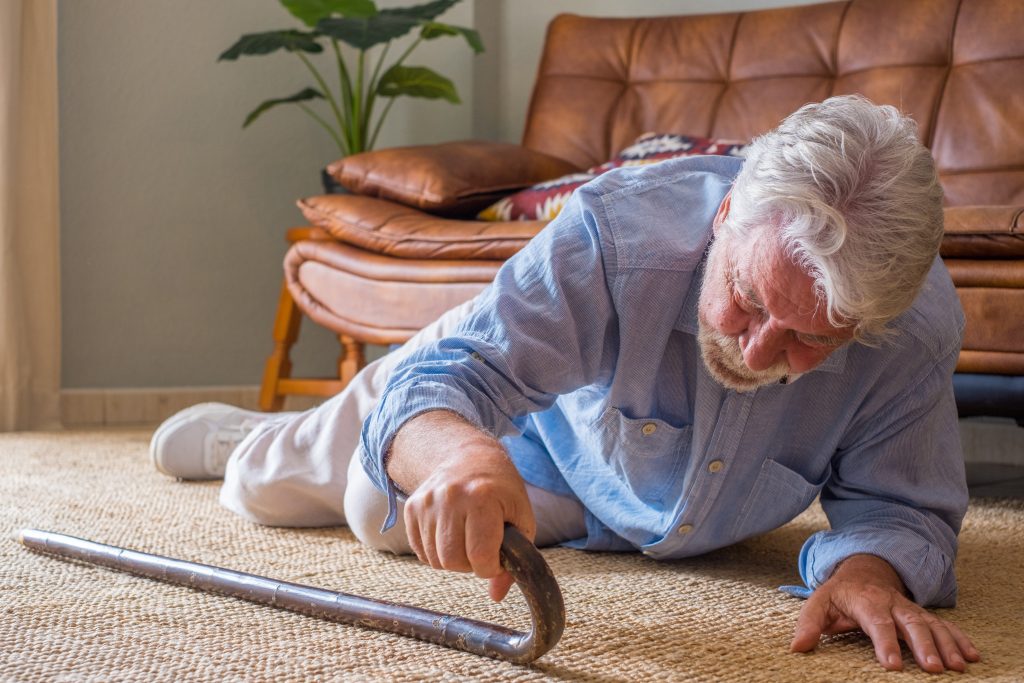
As we age, we become more susceptible to falling, which can have dangerous and life-changing consequences. In fact, falls in seniors are the leading cause of fatal and non-fatal injuries among adults 65 and older, according to the Centers for Disease Control and Prevention (CDC). On top of that, falling once doubles your chances of falling again.
While falls are a serious concern, they can be prevented. And the professional caregivers at Assisting Hands West Houston can help you or your loved one with fall protection so that you can continue to live safely, confidently, and independently. In this guide, we take a look at the risk factors involved in falling, warning signs, and fall prevention strategies.
Risk Factors for Falls in Seniors
Several risk factors can contribute to falling, and the more risk factors you have, the greater the chance of having a fall. Identifying the risk factors can help you prevent a future accident. Here are some of the common causes of falls in seniors:
- As we get older, our muscles get weaker, which can lead to poor balance.
- Being physically inactive can also cause our muscles to lose strength, affecting balance.
- Worsening eyesight and hearing loss can make it difficult to gauge our surroundings and anticipate any tripping hazards.
- Foot pain and wearing poor footwear can affect your gait and increase your risk of falling.
- Cognitive decline, such as mild cognitive impairment and dementia, can affect your ability to judge risky situations and recognize fall hazards.
- Incontinence and other conditions that can cause you to rush to the bathroom can increase your risk.
- Chronic conditions — heart disease, diabetes, COPD, arthritis, Parkinson’s, etc. — can affect your balance and heighten your risk of falling.
- Taking four or more medications at the same time or taking certain medications that can cause dizziness, confusion, unsteadiness, or lightheadedness can increase your chances of falling.
- Alcohol can slow your reaction time and make you unsteady, and coupled with certain medications, the effects can be much worse.
- Safety hazards in your home, like poor lighting or unsecure rugs, can increase the risk of a trip or slip.
Warning Signs
A fall could be the first indication of a new or worsening health condition. Speak with your doctor immediately to address potential issues before they lead to a serious injury if you or a loved one exhibits any of the following warning signs:
- An increasing fear of falling
- Frequently tripping or nearly falling
- Shuffling feet while walking
- Poor balance and a general unsteady gait
- Changes in mobility (e.g., difficulty climbing stairs or getting up from a seated position)
- A current health condition that affects balance
- Neglecting self-care and struggling with other activities of daily living (ADLs)
- Dizziness or lightheadedness from medication side effects
How To Prevent Falls in Seniors
As previously mentioned, falls in seniors can cause life-altering injuries. According to the CDC, nearly 319,000 older adults are hospitalized every year due to hip fractures, and falls are the most common cause of traumatic brain injuries (TBIs). However, these injuries from falling can be prevented with the simple lifestyle adjustments and home modifications below.
Be Active
Many seniors fear falling, which can lead them to avoid certain activities like walking and shopping. But staying active is important to keep you healthy and help prevent falls.
Regular exercise improves your muscle strength, balance, and flexibility. To improve those three things, balance and strength training exercises — such as yoga, pilates, and tai chi — are particularly helpful. Also, mild weight-bearing exercises like walking help improve your bone density and reduce the risk of osteoporosis, heart disease, stroke, and high blood pressure.
Eat Healthy
Proper nutrition helps protect bones, joints, and muscles, allowing you to maintain your strength and balance. A protein-rich diet will help preserve bone and muscle mass. Also, calcium and vitamin D are essential for bone health.
And don’t forget to drink plenty of fluids, as dehydration can cause dizziness and confusion, leading to a higher risk of falling. But try to avoid or limit alcohol, which can be detrimental to balance.
Fall-Proof Your Home
Your home should be regularly assessed for any fall hazards. A family member or a trained caregiver can help you check your home for any dangers. To make your home as safe as possible, consider the following home modifications:
- Remove tripping hazards, such as clutter, loose rugs, and electrical cords.
- Install grab bars in the bathroom by the toilet and shower.
- Improve lighting throughout your home, especially in hallways and staircases, and use nightlights in your bedroom and bathroom.
- Arrange furniture so that you have wide, clear pathways to walk.
- Avoid using step stools and store frequently used items in lower cabinets and shelves.
- Install handrails on both sides of the staircase.
Manage Your Medications
Certain medications, such as psychotropic drugs, can cause side effects that make you feel dizzy, drowsy, or lightheaded. If any medications you take cause these effects, alert your doctor or pharmacist as soon as possible. Also, if you take four or more medications, speak with your doctor about simplifying your regimen if possible.
Attend Regular Doctor Visits
Don’t skip your regular doctor appointments. Let your doctor know if you have experienced any of the previously mentioned warning signs.
In addition, be sure to schedule regular eye exams and wear prescription glasses as recommended. Your hearing should also be tested regularly, as hearing loss can reduce your environmental awareness. If necessary, wear hearing aids that fit well.
Wear Proper Footwear
Foot problems stemming from issues like corns, bunions, ingrown toenails, and arthritis can affect how you walk, making falls more likely, so be sure to take care of your feet. You should also wear shoes that are non-skid, low-heeled, and fully support your feet. Avoid footwear with high heels or smooth soles like house slippers.
Use Assistive Devices
Mobility aids like walkers and canes can help you stay steady while walking. Be sure that the assistive device you’re using is the proper size and is comfortable to use. A physical or occupational therapist can help you find the right walking aid and teach you how to use it safely. To prevent slippage and provide stability, ensure the rubber tips on walkers or canes aren’t worn.
Also, certain technological devices can be useful, especially for seniors living alone. Technology like pressure-sensitive floor mats that detect falls and GPS-enabled medical alert devices can help in the event of an emergency.
How Assisting Hands West Houston Can Help
The aftermath of serious falls in seniors can lead to decreased mobility, loss of independence, and a lower quality of life. The best way to prevent falls and potential hospitalizations is to take action before a fall occurs.
And Assisting Hands West Houston can help you live independently and age in place in the comfort of your own home. Our compassionate, knowledgeable caregivers know how to assess your home for tripping hazards to keep you safe. We can also assist with ADLs, such as personal care and meal preparation, that may put you at risk of falling. Contact us today by calling us at (281) 369-5858 or messaging us via the chat box on the right.

