
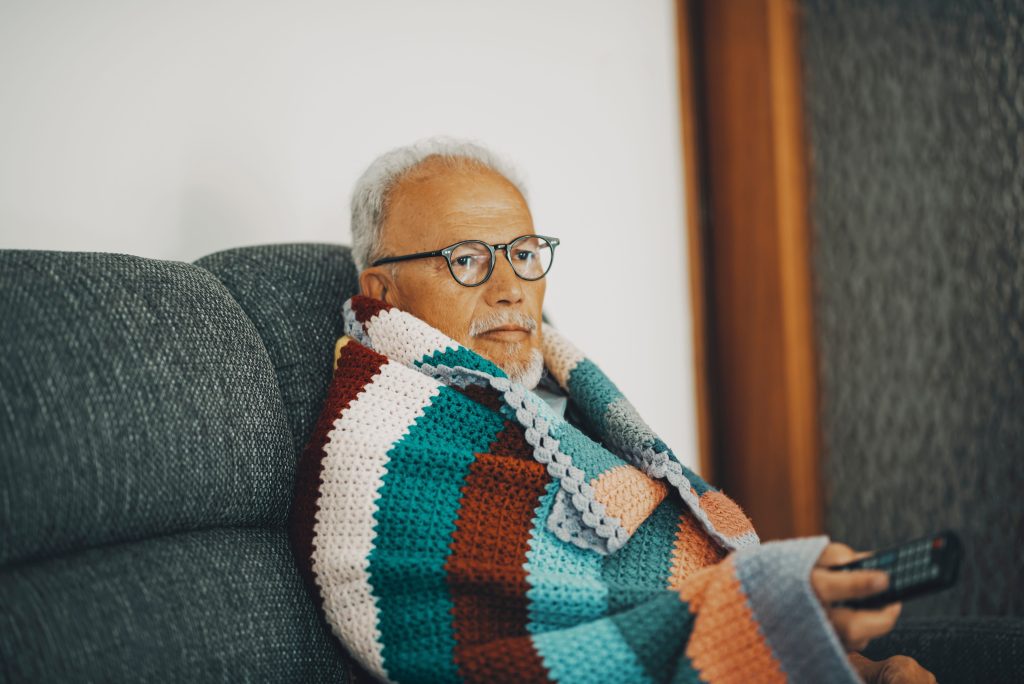
It’s the beginning of summer, and temperatures are rising across the Houston area. Yet you might be finding yourself reaching for a sweater or a blanket.
Feeling chilly more often is a common part of aging. Several natural changes occur in the body over time that can make older adults more sensitive to cooler temperatures, even during the summer months.
Understanding why this happens can help you take steps to stay comfortable, healthy, and safe throughout the year. Whether it’s a cold winter day, a heavily air-conditioned restaurant, or simply a cool evening at home, knowing the reasons behind why seniors feel cold all the time can make a meaningful difference to your quality of life.
Why Seniors Feel Cold as They Age
Your body works hard to maintain a stable internal temperature. Why seniors feel cold all the time often comes down to several natural changes that occur as the body ages. As you age, some of the systems responsible for regulating body heat become less efficient.
These changes are a normal part of the aging process, but they can make it more difficult for your body to respond to colder temperatures. Let’s take a closer look.
Reduced Circulation
One of the most common reasons why seniors feel cold all the time is decreased blood circulation.
Your circulatory system helps distribute warm blood throughout your body. As you age, blood vessels can become less flexible, and circulation may slow down. Certain health conditions, such as high blood pressure, heart disease, and diabetes, can further affect circulation.
When blood flow to your hands, feet, and other extremities decreases, those areas may feel noticeably colder even when the surrounding environment feels comfortable to others.
Loss of Body Fat
Body fat acts as a natural layer of insulation that helps retain heat. As people age, they often lose some of the fat beneath their skin. This reduction in insulation means body heat can escape more easily, making cold temperatures feel more intense. Seniors who have experienced significant weight loss may notice even greater sensitivity to cold.
Decrease Muscle Mass
Muscles play an important role in generating heat. Physical activity causes muscles to produce warmth, helping your body maintain a comfortable temperature.
Aging is commonly associated with a gradual loss of muscle mass, a condition called sarcopenia. With less muscle tissue available to generate heat, older adults may feel colder than they did in earlier years.
Regular movement and exercise can help preserve muscle mass and support healthy temperature regulation.
Slower Metabolism
Metabolism refers to the process by which your body converts food into energy. As you age, your metabolism naturally slows. A slower metabolism means your body may produce less heat, making it more difficult to stay warm in cooler environments.
This change can be especially noticeable during periods of inactivity, such as sitting and watching television or sleeping.
Medical Conditions That Can Increase Your Sensitivity to Cold
While normal aging explains why seniors feel cold in many cases, certain medical conditions can make the issue more pronounced. Let’s learn a little more about these conditions.
Hypothyroidism
The thyroid gland helps regulate metabolism. When the thyroid is underactive, a condition called hypothyroidism, the body produces less heat.
Common symptoms include:
- Feeling cold frequently
- Fatigue
- Weight gain
- Dry skin
- Depression
If persistent cold sensitivity is accompanied by these symptoms, it’s important to speak with your healthcare provider.
Diabetes
Diabetes can affect circulation and nerve function, particularly in the hands and feet. Reduced blood flow and nerve damage may make it harder to sense temperature changes and can contribute to feelings of coldness. Proper diabetes management can help reduce these complications.
Anemia
Anemia occurs when the body lacks enough healthy red blood cells to carry adequate oxygen throughout the body. People with anemia may experience:
- Feeling cold
- Fatigue
- Weakness
- Shortness of breath
Since anemia is relatively common among older adults, it’s another potential cause of increased cold sensitivity.
Peripheral Artery Disease
Peripheral artery disease (PAD) narrows blood vessels and restricts circulation to the limbs. This reduced blood flow often causes cold hands, cold feet, and discomfort, particularly during cold weather.
Medications Can Play a Role
Some medications may affect circulation, metabolism, or the body’s ability to regulate temperature. Examples include certain medications used to treat:
- High blood pressure
- Heart conditions
- Anxiety
- Depression
If you notice a change in how sensitive you are to cold after starting a new medication, speak with your doctor. It’s important to never stop taking prescribed medications without medical guidance.
Tips for Staying Warm as You Age
Fortunately, there are many simple ways to stay comfortable and maintain a healthy body temperature.
Dress in Layers
Wearing loose layers helps trap warm air close to your body and allows you to adjust clothing throughout the day as temperatures change. Soft sweaters, long-sleeved shirts, and warm socks can make a significant difference.
Stay Active
Regular movement increases circulation and helps your body generate heat naturally. Even light activities, such as walking, stretching, or household chores, can help improve warmth and comfort.
Eat Balanced Meals
Proper nutrition supports metabolism and energy production. Skipping meals may make it harder for your body to generate heat, so maintaining a healthy, balanced diet is important.
Keep Your Home Comfortable
Maintaining a safe indoor temperature is important for your overall health and comfort. Using blankets, draft blockers, and appropriate home heating can help create a warmer environment.
Schedule Regular Health Checkups
If you find yourself feeling significantly colder than usual, a medical evaluation can help identify any underlying conditions that may be contributing to the problem. Addressing issues, such as thyroid disorders, anemia, or circulatory problems, can often improve your comfort and quality of life.
How Assisting Hands West Houston Can Help
At Assisting Hands West Houston, we understand that small changes associated with aging can have a big impact on your daily comfort and well-being. Feeling cold more often may seem like a minor inconvenience, but it can affect your quality of life, activity level, and overall health.
Our compassionate caregivers provide personalized in-home support that helps you stay safe, comfortable, and independent. Whether it’s assisting with meal preparation to support proper nutrition, encouraging light activity to promote circulation, helping with household tasks, or ensuring your home environment remains comfortable, our team is here to help.
Contact us today by using the chat box on this page or by calling us directly at (281) 369-5858.

