

Note: This article provides general guidance and is not a substitute for professional medical advice. If your parent suddenly can’t walk, call 911 immediately.
A sudden change in a parent’s ability to walk can be frightening and overwhelming. One day, they’re moving around the house as usual, and the next they may be unable to stand, bear weight, or take a single step without help. When an aging parent suddenly can’t walk, families are forced to react quickly, often without knowing what is happening or what to do next.
If your aging parent suddenly can’t walk, treat it as a medical emergency until proven otherwise. Do not force them to stand. Check for stroke symptoms, call 911 if there are red flags, and keep them safe and still while waiting for help. Sudden immobility in seniors is rarely minor and requires urgent medical evaluation.
Moments like this demand calm, quick thinking, and the right next steps. In this guide, we explain what might cause a sudden loss of mobility, when to seek emergency medical care, and how families can support a loved one’s safety, as well as the benefits of home care for seniors.
Immediate Checklist: What to Do in the First Minutes
If your aging parent suddenly cannot walk, follow these steps in order:
- Stay calm and reassure your parent. Your steady presence helps prevent panic and confusion.
- Assess for visible injuries and ask simple questions. Where does it hurt? Did you fall? Are you dizzy?
- Check for stroke or neurological warning signs. Look for facial drooping, slurred speech, or weakness on one side.
- Call 911 if any red flags are present. Quick action improves outcomes in emergencies.
- Keep your parent still and supported. Help them sit or lie safely; do not attempt to lift them.
- Observe breathing, pulse, and alertness. Note any changes and report them to first responders.
These first actions protect your parent from further injury and speed up medical care.
Why Sudden Loss of Walking Ability in Seniors Is a Medical Emergency
Sudden immobility in older adults often signals a serious underlying condition such as a stroke, infection, or hidden injury. Delaying care can lead to permanent disability, longer recovery, or life-threatening complications. Mobility is closely tied to independence, circulation, muscle strength, and brain function. Any sudden loss of ability to walk is a red flag that requires immediate evaluation.
Increased Risk of Complications
- Falls and fractures
- Pressure injuries from prolonged immobility
- Loss of independence and confidence
Rapid Functional Decline
Even seemingly minor causes, like dehydration or medication side effects, can escalate quickly in seniors.

Common Causes of Sudden Inability to Walk in Seniors
A senior who suddenly cannot stand or walk is often experiencing a medical issue that affects strength, balance, coordination, or alertness. Only a healthcare professional can determine the exact cause, but several conditions are frequently responsible for acute mobility loss.
Neurological Emergencies
A stroke or transient ischemic attack (TIA) can weaken one side of the body, disrupt balance, or make movement impossible. According to the CDC, stroke reduces mobility in more than half of stroke survivors age 65 and older, and is the leading cause of serious long-term disability. For older adults living with Parkinson’s disease or other neurological disorders, sudden changes or complications can also dramatically affect their ability to move.
Cardiovascular Events
Cardiovascular issues may leave a senior too weak or dizzy to walk safely. A heart attack, irregular heartbeat, or a sharp drop in blood pressure can reduce blood flow to the brain and muscles, causing faintness or collapse.
Falls and Hidden Fractures
A hip fracture, knee injury, or trauma from a fall may not always be obvious right away, but the pain and instability can prevent weight bearing.
Infections and Illnesses
Urinary tract infections (UTIs), pneumonia, sepsis, or even a severe case of the flu may cause confusion, fatigue, and muscle weakness strong enough to limit movement. UTIs cause nearly 25% of geriatric hospitalizations in older adults, and can sometimes lead to sudden loss of mobility.
Medication Reactions
Side effects such as dizziness or drowsiness, or interactions between multiple prescriptions, can quickly make walking unsafe or impossible.
Metabolic and Nutritional Issues
Issues like dehydration, low blood sugar, or vitamin deficiencies can sap energy and impair muscle function, sometimes developing faster than families expect. Because the range of potential causes is so broad, sudden immobility should always be treated as a signal to seek medical evaluation as soon as possible.
Warning Signs That Require Emergency Care
Call 911 immediately if you notice any of the following:
- Weakness or numbness on one side of the body
- Facial drooping or slurred speech
- Sudden confusion or unresponsiveness
- Severe hip, knee, or back pain
- Loss of bladder or bowel control
- Fainting, chest discomfort, or dizziness
Waiting to see if symptoms improve can be dangerous.
What This Crisis Feels Like for Families
When a parent suddenly loses mobility, many families feel panic, fear, and guilt. Some worry this signals permanent decline. Others blame themselves for not catching the warning signs earlier. These reactions are normal. The most important step is shifting from fear to action. Clear decisions, medical evaluation, and support systems help families regain control of the situation.
How Doctors Evaluate Sudden Immobility
Emergency clinicians first stabilize your parent and address immediate risks. Evaluation often includes:
- Neurological exams to check strength and coordination
- Imaging tests (X-ray, CT, MRI) to identify fractures or neurological issues
- Blood work for infections, dehydration, or metabolic problems
- Specialist consultations: neurologists, cardiologists, and orthopedic doctors
Early medical intervention improves recovery outcomes and reduces long-term complications.

Can Sudden Inability to Walk Be Temporary?
Yes. Some causes are reversible with prompt treatment:
- Infections (UTI, pneumonia, sepsis)
- Dehydration or low blood sugar
- Medication side effects or interactions
- Post-hospital or post-illness weakness
Fast evaluation and follow-up care are critical to restoring mobility.
Recovery and Preventing Future Mobility Crises
After a sudden loss of mobility, recovery at home focuses on rebuilding strength, restoring confidence, and preventing future episodes. A comprehensive approach includes physical therapy, home safety, health monitoring, and professional in-home support.
Rebuild Strength and Confidence
- Follow prescribed physical therapy or mobility exercises to improve balance, coordination, and overall strength.
- Use assistive devices such as walkers, canes, or wheelchairs exactly as recommended to maintain safety and independence.
Make Home Modifications for Safety
- Remove loose rugs, clutter, and obstacles in walking paths.
- Improve lighting in hallways, stairways, and bathrooms.
- Install grab bars where needed, especially in bathrooms and near stairs.
- Consider ramps or other modifications to reduce fall risk.
Monitor Health Closely
- Track medications, hydration, and nutrition to support muscle function and overall well-being.
- Observe for recurring symptoms such as dizziness, weakness, or pain and report changes promptly.
- Schedule regular medical checkups with primary care providers and specialists to catch potential issues early.
Maintain Long-Term Mobility
- Incorporate fall-prevention exercises like balance training, resistance exercises, tai chi, or gentle yoga into daily routines.
- Continue professional support as needed. In-home caregivers can help with daily activities, assist with safe transfers, supervise mobility exercises, and monitor for health changes.
Taking these steps together helps seniors regain independence, prevent future falls, and maintain long-term mobility.
Ongoing Support with Professional Senior Care
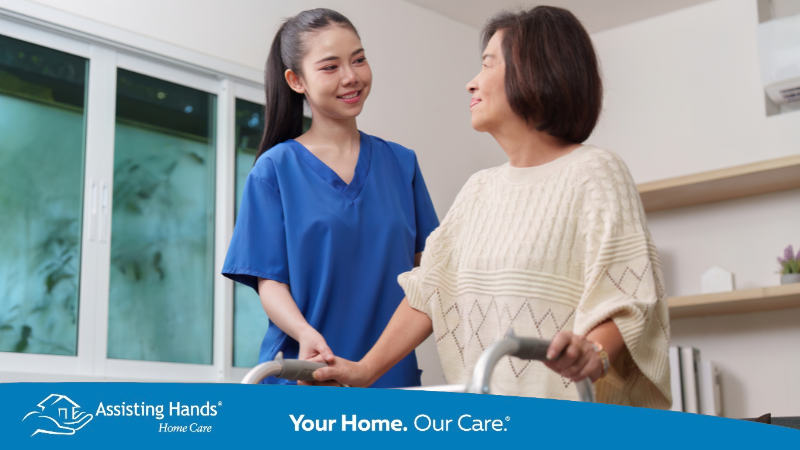
A sudden loss of mobility highlights how quickly a senior’s needs can change. Even after emergency treatment and initial recovery, ongoing support is essential for safety, independence, and overall well-being.
Assisting Hands Home Care provides personalized in-home care tailored to seniors who face mobility challenges. Our experienced caregivers assist with daily activities such as bathing, dressing, meal preparation, and safe transfers, while offering companionship and monitoring for changes in health. We also support prescribed mobility exercises and ensure home safety modifications are used effectively, helping prevent future falls.
With professional caregivers by your side, you can have peace of mind knowing your loved one has consistent support and supervision. To help your parents regain confidence, stay safe, and maintain independence at home, contact Assisting Hands Home Care today and learn how our compassionate senior home care services can make a real difference for your loved ones in Hollywood, FL, and the surrounding areas.
Frequently Asked Questions (FAQs)
What should I do if my aging parent suddenly can’t walk?
Keep them calm, do not force them to stand, call 911 if there are warning signs, and make them safe and supported until help arrives.
Can a urinary tract infection cause a senior to suddenly stop walking?
Yes. UTIs can cause confusion, weakness, and rapid decline in mobility in older adults, making it difficult or unsafe for them to walk.
What are the first signs of a stroke in seniors?
Look for sudden weakness on one side, facial drooping, slurred speech, confusion, or loss of coordination. Call 911 immediately if these occur.
How can I safely help a parent who can’t walk?
Do not lift or force them to stand. Keep them seated or lying safely, clear the surrounding area, and wait for emergency responders.
How can sudden immobility in seniors be treated?
Treatment depends on the cause, which may include stroke care, infection treatment, physical therapy, medication adjustment, or fracture repair. A quick medical evaluation improves recovery.

